
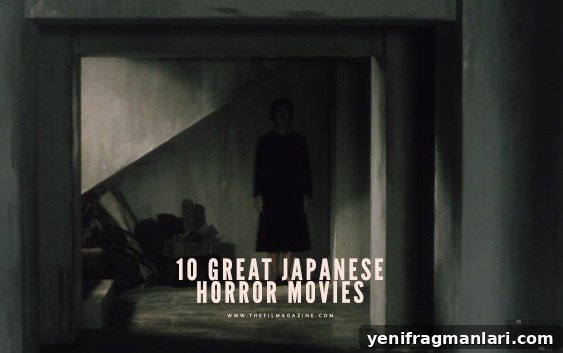
There was a time when Japanese horror films seemed to carry an unshakable reputation for being inherently more unsettling than their Western counterparts. During the J-Horror surge of the 1990s and early 2000s, many titles were crowned “scariest ever” and often inspired looser, less effective Western remakes. Whether these films are objectively scarier is subjective, but the ten films highlighted here share a consistent quality: they are strange, original and frequently unpredictable. These entries avoid cheap jump scares and the lingering influence of Christian morality. Instead, expect vengeful spirits, fractured identities, tormented ghosts and the now-iconic dread of long, black hair.
Many of these movies function as dramas or social critiques—anti-war statements or warnings about modern life and labor—but beneath the surface they’re driven by supernatural forces that feed on human weakness. Using ten exceptional examples, this Movie List examines recurring and evolving tropes in Japanese horror. Not every film aims to terrify at every moment, but each one carries a pervasive cruelty and slow-burning dread that lingers long after the credits roll.
These are 10 great Japanese horror movies.
Follow The Film Magazine on social platforms for more features and lists.
1. Kwaidan (1964)
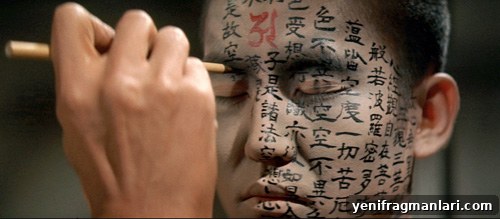
Kwaidan is a four-part anthology of classical ghost stories that blend moral lessons with unsettling supernatural phenomena. These tales substitute Western witches and fairies for curses that manifest as autonomous locks of hair, shapeshifting snow maidens, spectral armies and an evil spirit trapped in a teacup.
Director Masaki Kobayashi—already renowned for intense dramas such as The Human Condition and Hara-kiri—applies the same rigorous humanism to this genre piece. The film’s horror arises from people caught amid crises: peasants struggling through wartime privations and individuals crushed by the will of feudal lords. Kobayashi’s camera treats these characters with tragic compassion, and the film’s hand-painted backdrops and meticulous set design make Kwaidan arguably one of the most visually stunning horror films ever made. It is more haunting than frightful, leaving viewers with a steady, satisfying chill.
2. Onibaba (1964) & Kuroneko (1968)
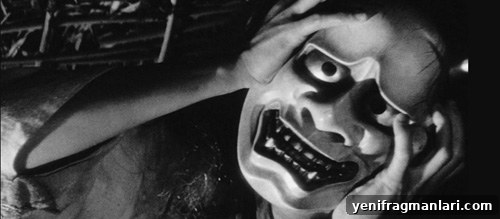
Two films by Kaneto Shindô make a powerful double bill. Onibaba follows a nameless widow and her mother-in-law who, destitute during wartime, turn to theft and murder to survive. Their discovery of a terrifying demon mask, intended to instill fear and control, brings only cruel consequences.
Kuroneko shifts from rage to a tragic, melancholic romance. After a mother and daughter are killed by marauding samurai, they return as vampiric, catlike spirits who prey upon those warriors. Instead of reveling in vengeance, they endure a cursed existence stripped of love and humanity.
Shindô’s horror grows from social collapse: the weak driven to desperate measures by the powerful. He makes the natural world—swaying grass, silent bamboo groves—feel ominous and cursed. Both films are brutal and beautiful, offering layered meditations on war’s corrosive effects.
3. House (1977)
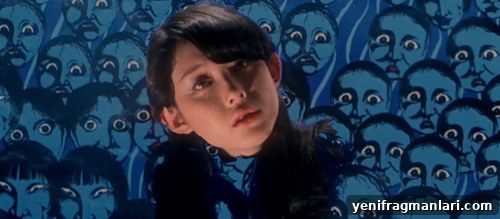
Nobuhiko Ôbayashi’s debut is a wildly imaginative, surreal blend of horror, comedy and pop-art excess. Inspired by a dream, House follows six schoolgirls invited to a mysterious aunt’s mansion that proves to be haunted. The film bursts with kaleidoscopic color, unexpected tone shifts and a mixture of practical and video effects that remain oddly effective despite their obvious vintage.
Ôbayashi’s background in experimental filmmaking infuses House with mischievous subversion. It may not be for everyone, but its unique visuals and emotional core—a personal ghost story about youth—make it an essential viewing experience.
4. Tetsuo: The Iron Man (1989)
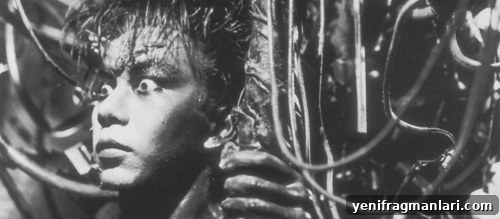
Shin’ya Tsukamoto’s Tetsuo defined a strand of Japanese cyberpunk and body horror. The film opens with an extreme act of self-mutilation and follows a man consumed by metallic obsession as he transforms himself into living metal. Its intense violence, aggressively industrial sound design and visceral practical effects push the limits of taste while offering black humor and striking visual invention.
At roughly 60 minutes, Tetsuo packs explosive energy and relentless momentum; it echoes David Cronenberg’s body-horror preoccupations but takes them into even more abrasive, surreal territory.
5. Perfect Blue (1997)
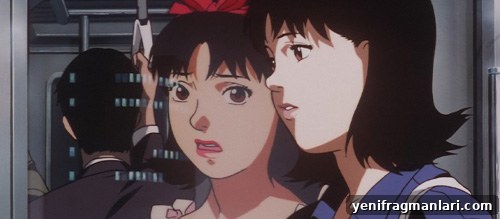
Satoshi Kon’s Perfect Blue relocates horror to the terrain of identity and fame. Mima, a pop idol, leaves a safe, manufactured world to pursue acting and is pushed into roles that compromise her sense of self. As she is exploited by industry figures and stalked by a fan who enacts violent revenge, reality and fiction begin to blur.
Kon dismantles viewer certainty through rapid shifts between dream, TV fiction and lived experience, producing a disorienting, metafictional nightmare. The film is a masterclass in psychological horror and a prescient commentary on celebrity, media manipulation and the erosion of personal boundaries.
6. Ringu (1998)
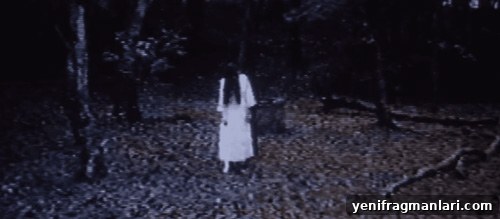
Hideo Nakata’s Ringu became a signature film of late-’90s J-Horror. Its premise—a cursed videotape that kills the viewer seven days after watching—plays on the unsettling quality of old, degraded footage and the idea that recorded images can trap malevolent forces. Even though videotapes are outdated technology, the film’s eerie imagery and grainy sequences remain genuinely chilling.
Ringu bridges folkloric ghost stories and contemporary anxieties about technology. By turning modern devices into vessels for supernatural dread, the film suggests that progress cannot fully distance us from older, darker forces.
7. Audition (1999)
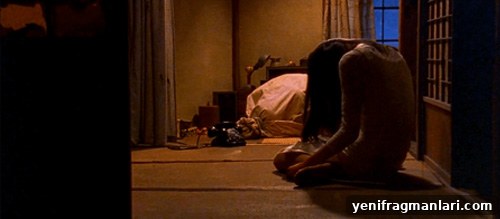
Takashi Miike’s Audition dramatically raised his international profile. The film begins as an awkward, offbeat romance: a widower stages a fake audition to find a new wife and meets the enigmatic Asami. Midway through, the movie executes one of cinema’s most notorious tonal shifts, transforming into a brutal, visceral exploration of revenge, misogyny and psychological collapse.
Its ability to function as both an uncomfortable character study and an extreme provocation has made Audition a lasting source of debate and a staple of modern horror discussions.
8. Pulse (2001)
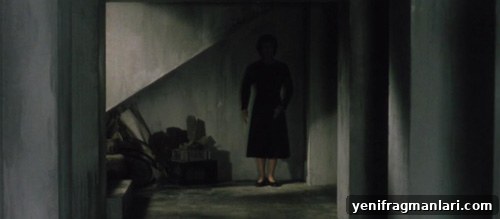
Kiyoshi Kurosawa’s Pulse finds terror in the isolation and alienation spawned by the internet. The film centers on a program that allows users to receive video calls from ghosts; all who use it end up dead. Pulse is less a tech-parable than a bleak meditation on loneliness and social disconnection. Groups of people who embrace solitude as rebellion against a harsh world begin to literally dissolve, leaving watery silhouettes on walls.
Kurosawa renders Tokyo as a drained, colorless space where dread accumulates in every frame. The ghostly video-call sequences—dark, out of focus and heavily pixelated—are among the most unnerving images in contemporary horror, forcing the audience into a mix of curiosity and revulsion.
9. One Missed Call (2003)
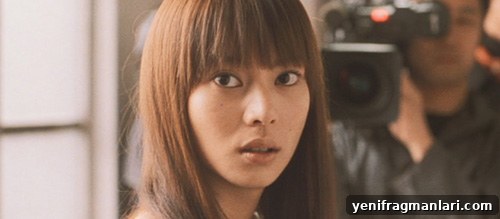
Another Miike entry, One Missed Call channels supernatural dread through mobile phones. The curse arrives as a missed call that contains a voicemail recording of the recipient’s imminent death. The premise is familiar by this point, but Miike leans into genre pleasures, combining slasher-style thrills with sharp commentary on media exploitation.
One Missed Call is notable for its tense sequences and the way it exposes a culture eager to monetize tragedy—most memorably during a live TV exorcism where media hysteria becomes more terrifying than the curse itself.
10. One Cut of the Dead (2017)

Shin’ichirô Ueda’s One Cut of the Dead demonstrates the flexibility of horror’s form. The film opens as a low-budget, single-take zombie sequence and then rewinds to show the chaotic production behind that take. The final act returns to the original scene but now viewed from behind the camera, revealing a wildly inventive blend of farce, affection and meta-commentary on filmmaking.
While more comedy than outright horror, One Cut of the Dead connects thematically to the other entries: working-class creators struggling with executive pressure, metafictional twists reminiscent of Perfect Blue, and the way cheap technology shapes storytelling. Ultimately it’s a warm, clever celebration of filmmaking and community—a perfect counterpoint to the list’s darker selections.
Which Japanese horror films resonate most with you? Have we missed any essential titles? Share your thoughts in the comments. Follow The Film Magazine on social platforms for more curated lists and film coverage.