
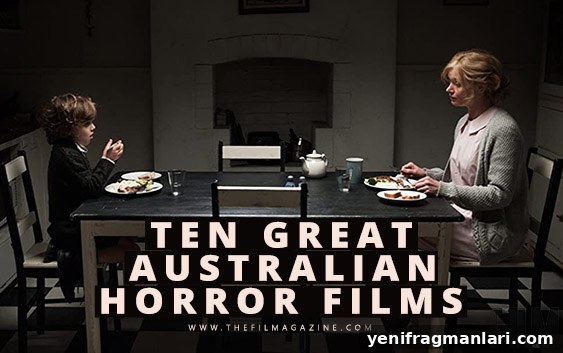
A couple of years ago, Australia’s pop icon Kylie Minogue released the knowingly cringe-worthy travel jingle “Matesong,” a deliberately kitsch invitation to British holidaymakers. Australia may be famed for laid-back beaches and sun-soaked getaways, but it has also been a fertile ground for vivid, inventive horror and thriller cinema ever since the Ozploitation boom of the 1970s and ’80s.
Australian horror is far from monolithic; it spans social realism, supernatural chills, creature features and psychological dread. Below are 10 distinct films that make excellent entry points into the country’s horror output: 10 Great Australian Horror Films.
Follow The Film Magazine on Twitter.
1. Wake in Fright (1971)
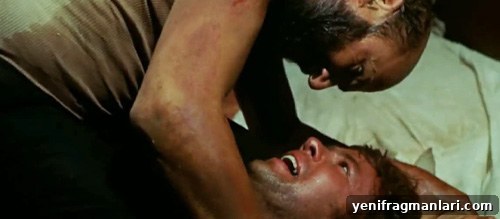
A reserved country schoolteacher ends his term and sets off for the city to join his girlfriend for the holidays. In the remote outpost of Yabba he loses his money gambling and is drawn into a world of alcohol-fuelled mateship. Slowly his life unravels as he becomes trapped in a haze of drinking and increasingly alarming behaviour.
Though not a conventional horror film, Wake in Fright delivers three distinct horrors: the terror of addiction, the claustrophobia of small-town over-friendliness and the nightmare that appears when the two combine. For an introvert, the idea of being overwhelmed and manipulated by loud, intoxicated, superficially welcoming locals is genuinely terrifying—embodied memorably by a chameleonic Donald Pleasence. The film’s oppressive atmosphere, disorienting sequences and an extremely distressing kangaroo hunt scene leave you as exhausted and shaken as the protagonist, John Grant.
Initial marketing missteps and deterioration of the original negative limited the film’s reach for decades, but restoration and reevaluation have secured Wake in Fright a place alongside its era’s acclaimed works such as Walkabout.
2. Dead Calm (1989)
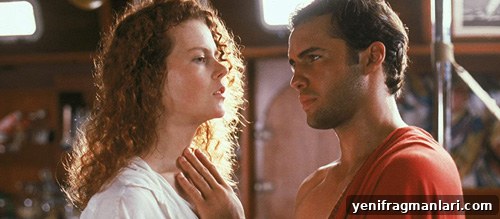
A bereaved couple take a therapeutic yacht trip across the Pacific and encounter a damaged schooner with a lone survivor onboard. Is this castaway a genuine victim of misfortune or something far more dangerous?
Dead Calm manages the rare feat of transforming endless sunlit ocean into intense claustrophobia. The sound design is crucial, but tight cinematography, careful staging and strong performances—notably Nicole Kidman and Billy Zane—sustain the film’s taut tension. The eroticized, predatory dynamic between Kidman and Zane adds a darker, flirtatious edge, while Sam Neill struggles to survive aboard a deteriorating vessel under approaching storm clouds.
Despite its confined settings, the film feels sprawling and epic: the forces aligned against the characters—nature and malevolence in human form—make their chances of survival precarious and absorbingly suspenseful.
3. Wolf Creek (2005)
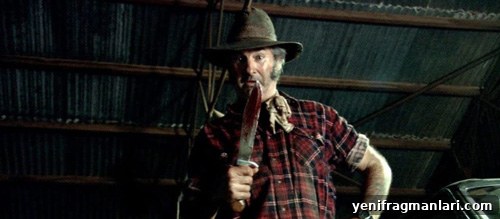
Three young travelers head off to see a meteor crater. When their car fails in the desolate Outback, a friendly-looking local offers help—only for events to take a brutal, sadistic turn.
Though marketers once implied Wolf Creek was “based on a true story,” that claim was mostly a promotional device. The film remains viscerally terrifying regardless: stranded tourists are subjected to escalating torment and hunted across an unforgiving landscape by a predator who knows the terrain intimately. The raw, believable performances and the unnerving calm of the antagonist, Mick Taylor, created one of the most chilling horror villains of the 21st century and launched sequels and a TV series.
4. Rogue (2007)
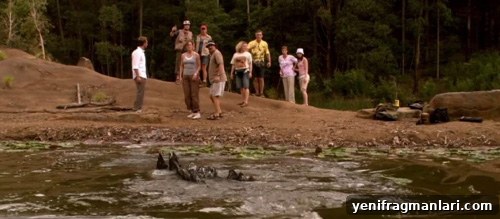
An American journalist and river safari tourists find themselves stalked by an enormous, aggressive saltwater crocodile.
Rogue sits comfortably between the slow-burn suspense of Jaws and the schlocky fun of Lake Placid. Director Greg McLean gives the audience time to get to know the ensemble—featuring early appearances by Sam Worthington and Mia Wasikowska—before a handful of calamities turn their trip into a nightmare. Stranded on a flooded island with a massive, enraged reptile, the characters confront a classic survival-horror scenario that plays to both dread and spectacle.
5. Lake Mungo (2008)
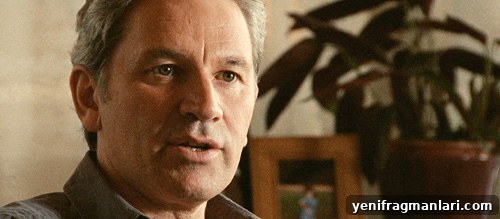
The Palmer family recounts events through interviews, home movies and photographs after their daughter drowns and then appears to return in ways that disturb and confuse them.
Lake Mungo is one of the most unsettling films on this list. Built as a mock documentary, it is a slow burner that relies on atmosphere and suggestion rather than shock. A single jump scare aside, the film sustains unease by repeatedly revisiting still images and subtly altering perceptions until you can no longer trust what you see. Its ambiguity and eerie restraint make it profoundly haunting; the film lets your imagination do much of the terrifying work.
6. The Loved Ones (2009)
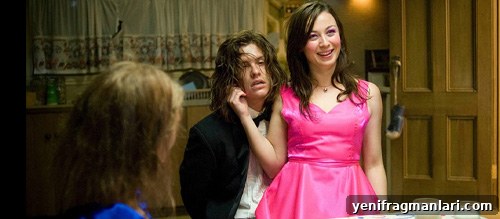
A high-school girl nicknamed “Princess” kidnaps her crush after he refuses her prom invitation. With help from her grotesquely devoted father, she forces him to endure a horrifying, violent “prom night.”
The Loved Ones borrows tones from works like The Texas Chain Saw Massacre but quickly becomes its own distinct, darkly comic and brutal film. The second half escalates into chaotic, unpredictable mayhem anchored by one of the most twisted father-daughter dynamics put on screen. The film’s unsettling contrasts—sugar-sweet pop songs against graphic torture—amplify its discomfort and shock value.
7. Snowtown / The Snowtown Murders (2011)
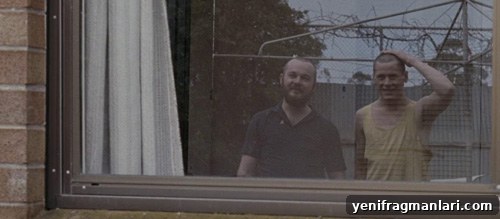
A teenager falls under the influence of a sinister local who claims to be on a moral crusade, and is eventually forced to participate in acts of torture and murder.
Snowtown is a chilling true-crime portrait that demonstrates how ordinary people can commit monstrous acts. The film’s horror lies less in explicit on-screen violence and more in what is implied or occurs off-camera, leaving the viewer’s imagination to conjure far worse images. Justin Kurzel’s direction focuses on the psychological impact—the agonized face of the protagonist as he watches an unseen atrocity is a shot that haunts long after the credits.
The grim, oppressive tone is relentless; Snowtown is one of the most disturbing and emotionally draining films on this list.
8. The Babadook (2014)
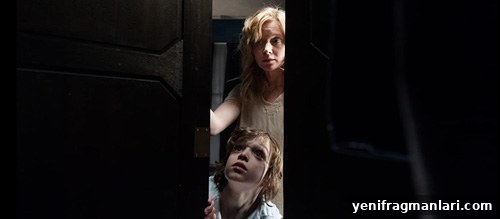
A single mother and her troubled son are haunted by Mister Babadook, a terrifying figure who emerges from a sinister children’s storybook.
Jennifer Kent’s feature debut expanded on an earlier short to create one of the most hypnotic supernatural horror films of recent years and a truly memorable monster. Essie Davis gives a raw, emotionally charged performance that anchors the film’s psychological depth. Kent’s disciplined construction of set pieces and uncanny atmosphere marks her as a director with a sure grasp of mood and dread.
Mister Babadook’s design—part corrupted children’s character, part living nightmare—remains iconic. While the figure’s adoption as a cultural symbol in unexpected contexts is odd, it speaks to the character’s potency and the film’s impact.
9. Cargo (2017)
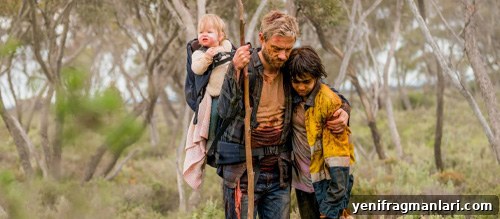
A father carries his infant across the Outback, searching for safety from fast-acting fungal “zombies” and violent survivors who have lost their humanity.
Martin Freeman carries much of the film’s weight, serving as the audience’s perspective until he reaches a camp of survivors. The film then shifts focus to a group of Aboriginal hunters who, refreshingly, assume the role of protectors—an important counterpoint in a genre and national cinema with a fraught history of underrepresenting Indigenous characters. Cargo combines emotional urgency with inventive set pieces, and its later twists and bittersweet payoffs linger long after the credits.
10. Relic (2020)
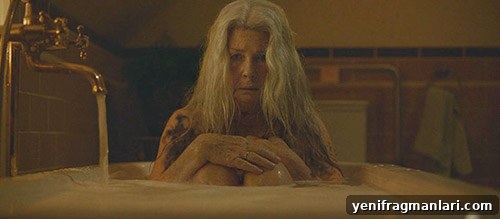
An elderly woman with dementia disappears from her home. When her daughter and granddaughter find her, she returns but soon begins to behave strangely as unsettling occurrences multiply around the house.
Relic folds the real-world horror of dementia into the architecture of a haunted-house story. Director and co-writer Natalie Erika James uses the family’s fear and confusion as the emotional core, overlaying it with morphing interiors, disturbing body-horror imagery and dreamlike intrusions. The supernatural force remains deliberately ambiguous, allowing viewers’ minds to connect the dots and intensify the dread. Because the film is explicitly about the terror dementia inflicts on sufferers and loved ones, its scares feel unexpectedly intimate and devastating.
Have we missed any of your favorite Australian horror films? Share your picks and thoughts in the comments. For more curated lists like this, follow The Film Magazine on social platforms.