The Lord of the Rings: The Two Towers (2002) is the middle chapter of Peter Jackson’s screen adaptation of J.R.R. Tolkien’s epic. The Fellowship has split: Frodo and Sam press on toward Mordor, Merry and Pippin have been taken, Boromir lies dead, and orcs multiply across Middle-earth. This instalment balances large-scale conflict with quieter, character-driven moments, advancing multiple storylines while deepening our investment in the characters we already know and care about.
Middle chapters of trilogies often struggle because they must connect what came before with what will follow, rarely offering neat conclusions. Yet The Two Towers avoids that trap: it maintains the momentum of the first film while expanding the world and raising the stakes. New allies and enemies arrive, most notably the people of Rohan and the warrior woman Éowyn (Miranda Otto), and the film alternates intense battle sequences with moments of humour, tenderness and creeping dread.
Below we count down ten of the film’s most memorable moments, highlighting scenes that combine emotional impact, technical achievement and storytelling importance. Each entry captures part of why The Two Towers remains a beloved chapter of the trilogy.
10. The Nazgûl
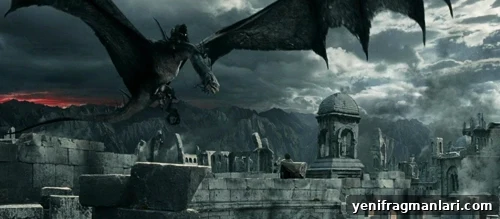
The Ringwraiths felt menacing in the first film; in The Two Towers they return more terrifying than ever. Referred to as Nazgûl, some now ride flying beasts that blot out the sky, making them an even more imposing force. Their eerie cries over the Dead Marshes and the looming shadow they cast above Osgiliath create a palpable sense of dread—these are servants of Sauron who bring real danger wherever they go.
9. The Uruk-hai March
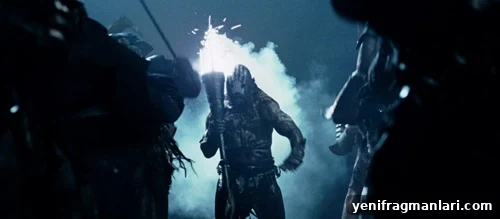
Few sequences capture the menace of a faceless army like the Uruk-hai march to Helm’s Deep. Thousands of troops, synchronized and relentless, sweep toward the fortress under torchlight, creating a rhythmic, mechanical threat. The contrast between this organized, ruthless horde and the small, battered defenders inside Helm’s Deep builds tension beautifully and underscores the odds the protagonists must overcome.
8. The Wargs Attack
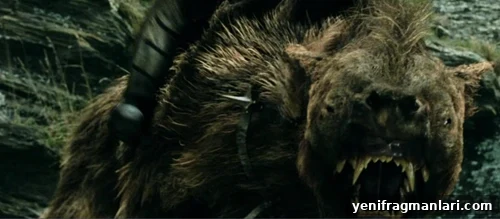
When deadly wargs appear, the film reminds us that Middle-earth is full of savage creatures. These wolf-like beasts are brutal and frenzied, and the attack sequence is visceral: close-quarters chaos, desperate defensive strikes, and the slapstick bravado of Gimli at work. The scene also deepens the emotional arc when Aragorn is briefly separated and the future of the company feels uncertain.
7. The Ents Take Isengard
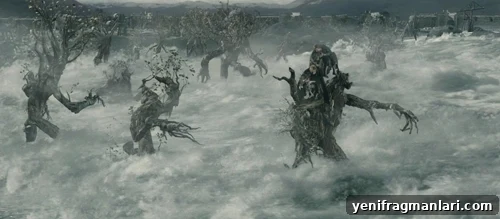
One of the film’s most imaginative sequences is the Ents’ assault on Isengard. Merry and Pippin’s bond with Treebeard and their pleas to action culminate in the forest rising up against Saruman’s industrial blight. Watching ancient trees move with deliberate fury and reclaim the land is a striking visual and thematic moment—nature itself turns on the machine of war, and the victory has important consequences for the wider conflict.
6. Defeat of Wormtongue
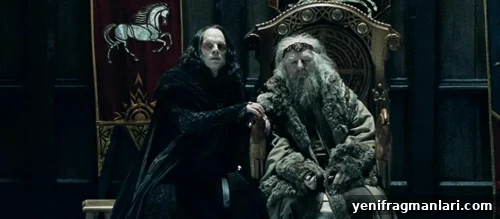
Grima Wormtongue’s removal from power is subtle but pivotal. His poisonous influence over King Théoden has weakened Rohan; when Gandalf and the company confront him, the spell lifts and the king begins to recover. This moment shifts the political landscape and restores hope to a people who had been quietly undermined from within, proving that not all victories require roaring battle sequences.
5. The Elves Arrive
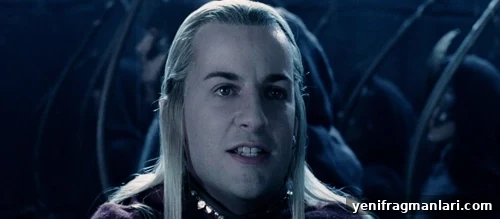
Reinforcements at Helm’s Deep arrive when Lórien’s elves, led by Haldir, stride into the night. Their arrival lifts morale: even a modest number of skilled archers bolsters the defenders’ will to fight. The sequence illuminates how alliances—however unexpected—can tip the balance in desperate times and gives a welcome visual contrast to the heavy infantry and siege weaponry of the enemy.
4. Gimli and Legolas Compete
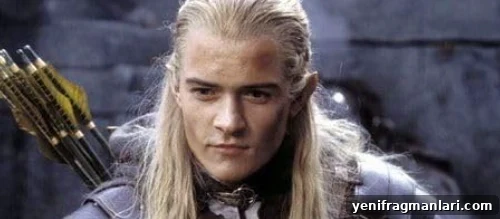
Even amid dire circumstances, the film makes room for humour. The friendly rivalry between Legolas and Gimli provides levity and a human touch. Their playful counting of enemy kills and one-upmanship balance the film’s darker moments, reinforcing their growing friendship and highlighting how camaraderie can sustain people through hardship.
3. “Nobody Tosses a Dwarf”
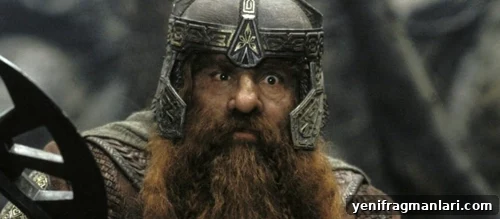
This playful callback to the first film highlights Gimli’s loyalty and growth. When the team must cross a gap to hold the line, Gimli allows himself to be tossed across, proving his willingness to sacrifice for the greater good. The line “Nobody tosses a dwarf” (and the moment that follows) is equal parts heroic and comic, reinforcing the Fellowship’s solidarity and giving Gimli a memorable, character-defining beat.
2. The Rohirrim Arrive
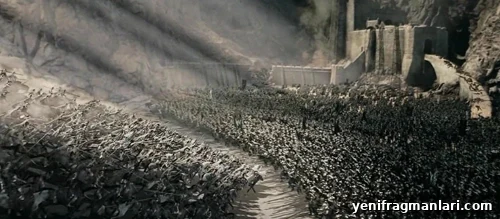
Just when defeat seems certain, Gandalf returns with the full force of the Rohirrim. The sight of the horsemen charging down a steep slope into the maw of the enemy is exhilarating—cinematic spectacle fused with emotional payoff. The Rohirrim’s arrival turns the tide of battle and delivers one of the trilogy’s most thrilling rescue sequences, anchored by a stirring sense of loyalty and honor.
1. Gollum’s Conversation
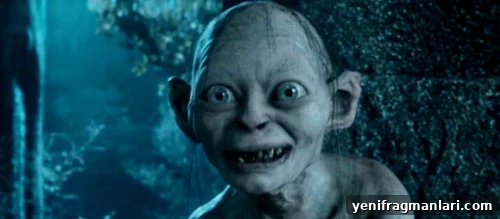
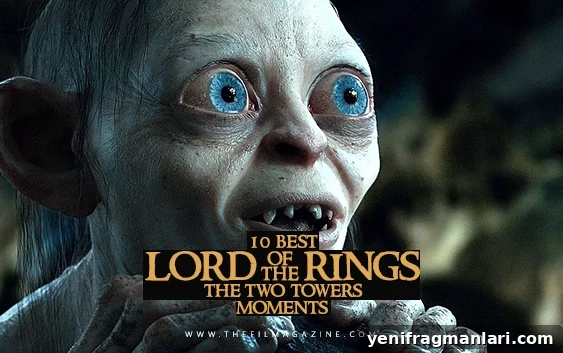
At the heart of Frodo and Sam’s journey is Gollum, torn between the kinder Sméagol and the malevolent Gollum. The scene where he argues with himself is a haunting and darkly comic exploration of fractured identity. Frodo’s sympathy has begun to soften the creature, but Sam’s suspicion pulls the darker side back to the surface. This internal struggle is pivotal for the narrative, shaping the pair’s path toward Mordor and providing some of the film’s most psychologically complex and affecting moments.
These ten moments capture the variety and depth of The Two Towers: sweeping battle sequences, intimate character beats, inventive fantasy elements, and emotional turning points. The film expands Tolkien’s world while preserving the emotional core of the Fellowship’s struggle. If you feel another scene deserved a spot on this list, share your thoughts—many moments in this chapter are unforgettable and worth revisiting.