
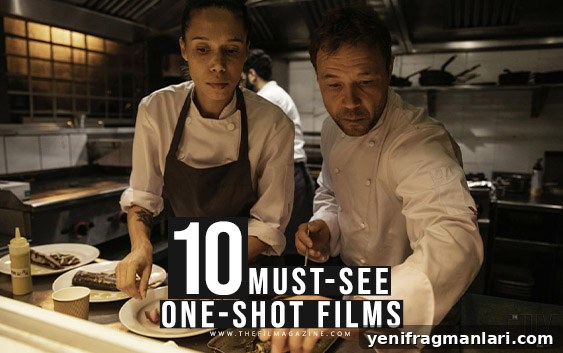
Seen by some as a flashy stunt and by others as an impressive display of craft, one-shot films are always a major creative undertaking.
Both immersive and self-aware of cinema’s artifice, a one-er or one-shot film is a stylistic choice that can either deepen a story or distract from it, depending on how it’s used.
Since technological advances made the technique more practical, filmmakers around the world have experimented with single-take or simulated single-take movies. Many of these works rely on a total commitment to the form to achieve their full impact.
In this Movie List from The Film Magazine, we select ten of the best examples of one-shot films (real or simulated) in cinema history, presented in chronological order. These selections highlight how the technique can shape tone, suspense and emotional intensity. 10 Must-See One-Shot Films.
1. Rope (1948)
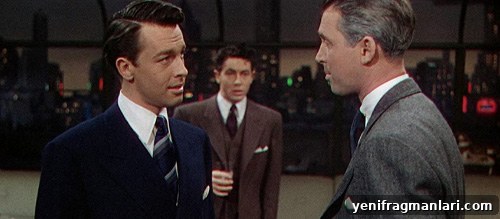
Two affluent, highly educated flatmates strangle a former classmate and conceal his body in a chest, then host a dinner party for acquaintances and their old housemaster as part of an intellectual experiment and to test whether they can commit the perfect crime.
Alfred Hitchcock aimed to create an unbroken filmed play but was constrained by the length of film reels. Rope is composed of ten extended takes, cleverly hidden when the camera passes behind objects. Takes were so valuable that production reportedly suppressed a cameraman’s scream when he broke his foot to preserve the audio for that long shot.
The illusion of a continuous take keeps viewers locked in the apartment’s tense atmosphere, letting us voyeuristically follow Brandon and Phillip as they maintain their deception while James Stewart’s Rupert gradually uncovers the truth.
2. Irréversible (2002)
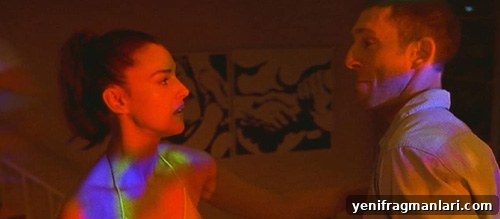
A man seeks brutal revenge for the sexual assault of his girlfriend. The film presents events in reverse chronological order while using long, unbroken sequences to intensify the viewer’s experience.
Gaspar Noé’s Irréversible is unforgettable in its intensity and deliberately confrontational. One extended, uncut sequence depicting the sexual assault is especially harrowing, designed to force the audience into an uncomfortable, unblinking witness role. The reverse structure breaks conventional cause-and-effect, prompting reflection on the nature and consequences of revenge.
3. Russian Ark (2002)
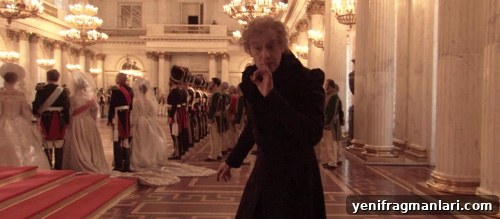
A disembodied narrator and a time-displaced French aristocrat walk through the Hermitage, encountering artists, courtiers and historical figures who have occupied St. Petersburg’s Winter Palace over the centuries.
Russian Ark is a genuine 99-minute single take, achieved on the fourth attempt during the only day the Hermitage could be closed for filming. Coordinating hundreds of extras in period costume, complex choreography and precise camera timing made this a dazzling logistical and artistic achievement.
Rather than a straightforward period drama, the film plays like an arthouse time-travel vision, using the continuous take to create a flowing, dreamlike tour of history, art and memory.
4. Birdman or (The Unexpected Virtue of Ignorance) (2014)
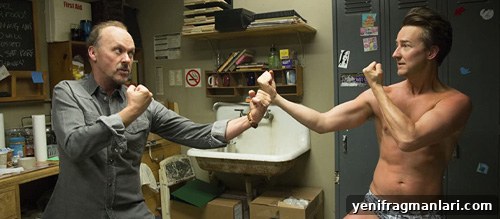
An erratic former Hollywood star struggles to mount a challenging Broadway play while losing his grip on reality, haunted by the superhero persona that made him famous.
Alejandro G. Iñárritu’s film simulates a single continuous take to tell a day-in-the-life story that keeps audiences tightly focused on Michael Keaton’s character. While digital editing and hidden cuts allow for time jumps, the uninterrupted-feeling camera work deepens immersion in the protagonist’s unraveling psyche and captures the frenetic precision of life behind the scenes in theater.
5. Victoria (2015)
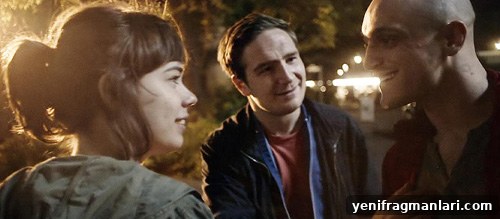
A young Spanish woman’s night out in Berlin takes an unexpected turn when a group of men involve her in a criminal plan, drawing her into a chaotic and dangerous situation.
Probably the most technically impressive single take on this list, Victoria runs about 130 minutes in one continuous shot, completed on the third attempt. Filmmakers coordinated a moving cast and crew across a large section of the city, including early-morning road closures and intricate timing.
The film subverts expectations: instead of falling into the typical “woman in danger” narrative, Victoria becomes an unexpectedly steady and resourceful presence. Her improvisation and resilience as the heist unravels create relentless tension and powerful emotional engagement.
6. Lost in London (2017)
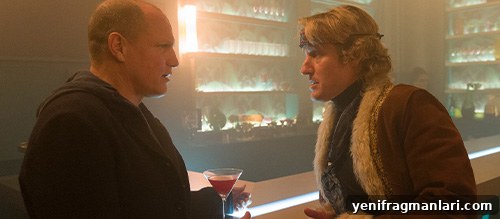
After a poor West End performance and a confrontation with his wife, Woody Harrelson spends a chaotic night in London that spirals into a series of unintended mishaps.
A very personal project in which Harrelson directs himself in a “live” film, it doesn’t always feel wholly believable, but the ambition of staging a real-time urban odyssey is notable. Highlights include tense, comedic confrontations with friends; some moments land better than others, yet the film remains an impressive technical feat.
7. One Cut of the Dead (2017)
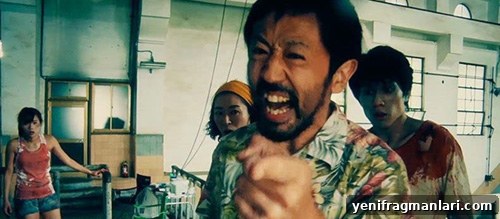
An eccentric director attempts to shoot a one-take zombie film, secretly using staged undead to elicit real reactions from his cast.
The technically audacious first half—a single 37-minute take—is only part of the movie. The second half uses conventional editing to recontextualize what we’ve seen, revealing multiple perspectives and layers of meta-commentary about filmmaking, ambition and the horror genre. The result is clever, surprising and emotionally satisfying.
8. Utøya: July 22 (2018)
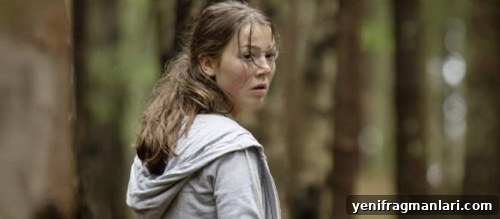
On July 22, 2011, a terrorist killed 77 people at a youth camp on a Norwegian island. This film chillingly recreates the island experience, focusing tightly on the victims’ perspective.
The film hinges on a powerful central performance: the camera never leaves Andrea Berntzen’s Katja as she and her teenage campmates face terror and confusion. Using the one-shot approach, the film forces viewers into a visceral, continuous experience of fear and survival while keeping the perpetrator distant, anonymous and unpredictable.
9. 1917 (2019)
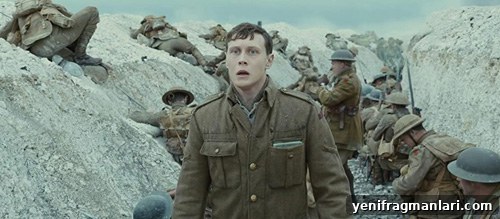
Two British soldiers in World War I must cross dangerous terrain to deliver a message that could save hundreds of lives from an impending ambush.
Sam Mendes’ film uses disguised cuts and occasional visible edits to maintain the feel of a continuous journey. Staying with the protagonists through the chaos of battle—relentless noise, ruined landscapes and bodies strewn across no-man’s-land—creates intense immediacy and emotional weight. Roger Deakins’ cinematography and Mendes’ personal ties to the story elevate the film beyond a technical showcase to an exhausting, gripping cinematic experience.
10. Boiling Point (2021)

A head chef struggling with his personal life attempts to lead his kitchen staff through a brutal service at an upscale restaurant.
This genuine one-take film steadily ratchets up pressure for both staff and audience. The cast’s occasional rough edges feel authentic, reinforcing the strain of a high-stakes service. For 90 minutes, barely allowing a breath, the kitchen endures hygiene mistakes, impossible customers and explosive confrontations—an intense, immersive depiction of professional pressure.
One-shot cinema can be technical bravado, a storytelling enhancer, or both. When the technique aligns with theme and performance, it can create unforgettable immediacy and emotional depth. Which approach you prefer—pure craft or narrative necessity—depends on the film and the viewer’s sensibility.