
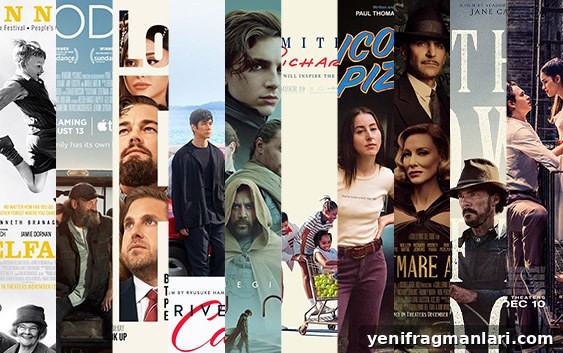
Each year the Academy of Motion Picture Arts and Sciences asks nearly ten thousand voting members to nominate the films they consider the most outstanding of the year. The Best Picture category represents their collective view of which films are the most artistically accomplished, culturally significant, and essential to watch.
For the 2022 Oscars, a rule change restored the ten-film cap for nominations for the first time since 2011. The Best Picture lineup once again offered a broad cross-section of cinema: big-studio blockbusters, intimate indies, international entries, and genre pieces. Studios across the industry—from Warner Bros. to Apple and Netflix to Universal—competed for cinema’s highest honour in a field that mixed mainstream appeal with artistic ambition.
In this edition of Ranked from The Film Magazine, we evaluate the Academy’s 2022 Best Picture nominees on artistic merit, social relevance, and their contribution to the evolution of film. Below are the nominees ranked and discussed, balancing craft, performance, and the films’ larger cultural resonance.
Follow @thefilmagazine on Twitter.
10. Belfast

Belfast Review
Kenneth Branagh’s Belfast is heartfelt and nostalgic, offering a personal portrait of childhood amid the Northern Ireland Troubles. The film’s strengths lie in its performances—Judi Dench, Ciarán Hinds and young Jude Hill are all affecting—and in Branagh’s evident affection for his material. Yet the movie struggles with tonal inconsistency, mixing intimate family drama with theatrical interludes and occasional action-style set pieces. That inconsistency undercuts the film’s emotional clarity.
Commercially successful in the U.K., Belfast has been embraced by many voters, but its Best Picture placement sometimes reads like a safe, sentimental choice rather than a radical cinematic statement. The film is worthy on the basis of performance and craft, but it offers limited challenge or new insight into its historical subject.
9. CODA

CODA Review
CODA’s significance comes from its representation: a mainstream film that centers Deaf characters and showcases Deaf actors. Troy Kotsur’s performance stands out, and the film brings visibility to an underrepresented community in a way that matters culturally. As a piece of filmmaking, however, it leans heavily on familiar coming-of-age tropes—plot conveniences, overt exposition, and predictable romantic beats—making it a warm but conventional entry. Backed by a major platform, CODA benefited from strong awards campaigning; its emotional authenticity is real, but its cinematic ambition is modest.
8. Don’t Look Up

Adam McKay’s Don’t Look Up is a blunt satirical allegory about denial, information collapse, and the spectacle of modern media—parallels to climate crisis and pandemic-era discourse are explicit. The film’s cast, led by Leonardo DiCaprio and Jennifer Lawrence, delivers energetic performances, and McKay’s propulsive pacing and sharp edits keep the story urgent. Although its satire is sometimes heavy-handed and character types occasionally reductive, the film succeeded in provoking conversation and capturing a particular cultural moment, earning its place among the year’s notable entries.
7. Dune

Denis Villeneuve’s Dune brings a sprawling, notoriously difficult-to-adapt novel to the screen with spectacular visual and sonic ambition. The film is an immersive example of contemporary blockbuster filmmaking that favors atmosphere, meticulous production design, and steady tension over rapid-fire spectacle. As an adaptation, Dune intentionally leaves narrative threads open, preparing for continuation, which can make it feel incomplete as a standalone piece. Still, its scale, worldbuilding, and technical mastery demonstrate why Villeneuve is among today’s most respected directors, and why the film resonated with Academy voters.
6. King Richard

King Richard Review
King Richard foregrounds the story of Richard Williams and the early years of Venus and Serena Williams’ rise in tennis. Will Smith anchors the film with a committed lead performance, and the movie delivers convincing sports sequences and a believable family dynamic. The decision to center Richard rather than the sisters themselves raises valid questions about agency and perspective, and the film largely avoids deeper critique of the pressures that shaped elite youth sport. As a sports drama, however, it’s one of the stronger examples in recent years—emotionally grounded and technically assured.
5. Drive My Car

Ryusuke Hamaguchi’s Drive My Car unfolds as a slow, meditative study of grief, memory, and human connection. Built around the relationship between a playwright and his driver, the film rewards patience: it reveals emotional depth through quiet performances, long takes, and a screenplay that trusts ambiguity and interiority. Its measured pacing and the extended prologue demand concentration, but viewers who engage will find a richly layered drama whose restraint and empathy distinguish it as one of the year’s most accomplished works.
4. Licorice Pizza

Licorice Pizza
Paul Thomas Anderson’s Licorice Pizza is a textured, warm, and sometimes unpredictable coming-of-age mosaic set in 1970s California. Shot on film with Anderson’s characteristic attention to detail, the movie features memorable set pieces, vivid period detail, and a distinctive sense of place. The central relationship, controversial on paper due to its age-gap premise, is handled with a quirky, improvisatory charm that keeps the film rooted in character. Anderson’s direction, the film’s expressive visuals, and its playful yet nostalgic tone made Licorice Pizza a prominent Best Picture contender.
3. The Power of the Dog

The Power of the Dog Review
Jane Campion’s The Power of the Dog repurposes the Western to interrogate toxic masculinity, repression, and power dynamics. The film’s slow-building tension, uncanny atmosphere, and precise performances—especially Benedict Cumberbatch and Kodi Smit-McPhee—create a study of character that lingers after viewing. Campion’s direction and the film’s thematic complexity make it an important, timely work that reframes a classic genre in service of contemporary social critique.
2. Nightmare Alley

Nightmare Alley Review
Guillermo del Toro’s Nightmare Alley is a dark, stylized fable about ambition, con artistry, and human frailty. Bradley Cooper delivers a compelling lead turn amid an ensemble that includes Cate Blanchett and Rooney Mara. The film’s sumptuous production design, evocative lighting, and del Toro’s trademark blend of fantasy and tragedy give it a distinctive cinematic identity. Though some viewers note a midfilm lull, Nightmare Alley’s visual richness and moral complexity secure its place as a major artistic statement of the year.
1. West Side Story
West Side Story Review
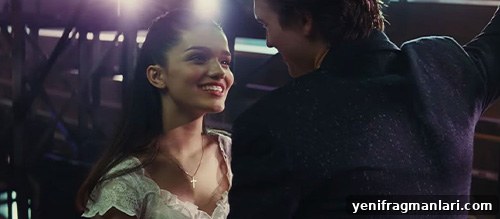
Steven Spielberg’s West Side Story is a revitalized take on a beloved musical, updated with sharper social awareness and luminous filmmaking. Janusz Kamiński’s cinematography, the choreography, and Spielberg’s tonal control combine to create both spectacle and emotional clarity. The film reframes the source material to emphasize systemic inequities and community tensions while celebrating the power of music and dance to convey longing and resistance. Breakout Rachel Zegler and standout supporting performances, including Ariana DeBose, make this adaptation a vibrant and timely piece of cinema that honors the musical tradition while speaking directly to contemporary audiences.
Which of the 2022 Best Picture nominees resonated with you most? Share your thoughts and follow The Film Magazine on social channels for more curated lists and film analysis.