
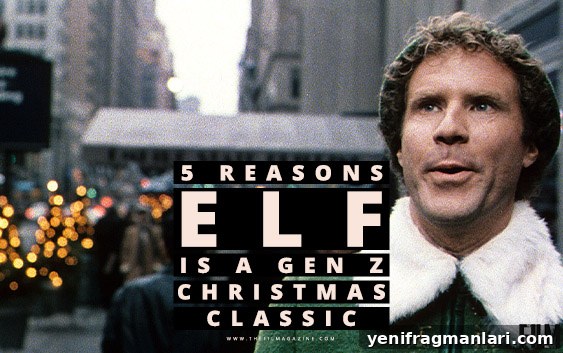
For every twenty forgettable made-for-TV holiday films, a handful become genuine classics that audiences return to year after year. These include timeless favorites like It’s a Wonderful Life (1946), the raucous National Lampoon’s Christmas Vacation (1989), and the wildly popular Home Alone (1990). For many members of Gen Z, the early-2000s comedy Elf (2003) has earned that same status: odd, endlessly quotable, and strangely comforting.
This Movie List from The Film Magazine examines why Buddy the Elf’s story has resonated with younger viewers and remained culturally relevant. Below are five key reasons Elf feels like a Gen Z Christmas classic.
1. Absurd Humor That Still Lands

Absurdist humor has found new life through internet culture: memes, short-form video, and surreal edits reward quick, unexpected laughs. Elf leans into that same tradition, turning ordinary moments into vivid comedic set pieces. Buddy’s childlike reactions to New York — from mistaking a raccoon for a friendly animal to bursting into a diner that claims to have the “World’s Best Cup of Coffee” — highlight the film’s willingness to embrace wide, physical comedy and improbable situations.
Scenes such as Buddy eating spaghetti covered in maple syrup, or his tipsy breakdancing in the Empire State Building mailroom, turn small absurdities into unforgettable images. Those moments feel especially fresh for viewers raised on rapid-fire, visually driven humor, and they help the film remain entertaining across generations.
2. Quotability That Drives Cultural Echoes

In an era dominated by TikTok clips, viral audio, and shareable catchphrases, a film’s quotability can cement its place in popular culture. Elf delivers a steady stream of lines that translate effortlessly into short clips and everyday references — from blunt insults like “You smell like beef and cheese” to the celebratory enthusiasm Buddy brings to ordinary moments.
Rather than sacrificing narrative coherence for memorable lines, Elf uses its quotes to propel the plot and deepen character relationships. For example, Buddy’s confrontation with a fake Santa at the department store leads to consequences that send him searching for his biological family, setting the emotional arc of the movie in motion. Quotes are woven into the story so they feel natural, which makes them easier to reuse, remix, and recontextualize in social media and conversation.
3. A Relatable Early-2000s Aesthetic

The early 2000s aesthetic is back in fashion: Y2K style influences clothing, secondhand marketplaces, and pop-culture nostalgia. Elf is firmly rooted in that era, and watching it now evokes the pre-smartphone, mall-centered rhythms of everyday life. Crowded department stores, flip phones, and cultural signifiers like Jovie’s toy-store outfit transport viewers to a specific time.
Beyond style, the film’s depiction of public spaces — bustling streets and unmasked crowds — also taps into the widespread longing for uncomplicated social interaction that many felt during and after the Covid-19 pandemic. That nostalgia makes Elf feel like both a period piece and a comforting escape.
4. A Memorable, Charming Cast

Will Ferrell’s wholehearted performance as Buddy is central to the film’s enduring appeal. His sincerity and energy make Buddy a character audiences root for; the role demands a performer who can balance naiveté with conviction, and Ferrell’s choices turn potentially corny jokes into genuinely touching moments. Without that commitment, the movie could easily tip into awkwardness, but instead it lands as both funny and heartfelt.
Zooey Deschanel’s Jovie adds another layer of appeal for younger viewers familiar with her later work on television and in music. Her chemistry with Ferrell and her character’s arc from weary retail worker to someone who rediscovers joy complement Buddy’s infectious optimism, giving the film emotional resonance beyond the laughs.
5. A Thoughtful Take on Holiday Burnout and Commercialism

At its heart, Elf is a film about purpose, belonging, and the choice to prioritize human connection over commercial pressure. The movie acknowledges the real stressors of the season: impossible retail expectations, last-minute deadlines, and the feeling that the holidays are something to get through rather than enjoy. Jovie’s candid admission — “I’m just trying to get through the holidays” — reflects a familiar sentiment and grounds the comedy in lived experience.
Even at the North Pole, elves face quotas and production pressures, and Buddy’s inability to meet those standards becomes the catalyst for his journey. Yet Buddy’s unwavering love for the holiday, his simple acts of kindness, and his insistence on celebrating small moments ultimately reconnect characters to what matters: family, community, and joy rather than efficiency or profit. That message — earnest but not preachy — continues to resonate with audiences who want warmth and humor without ignoring real frustrations.
Recommended for you: 5 Reasons Why ‘Klaus’ (2019) Is an Amazing Christmas Film
Written by Nicole Sanacore
Support the author by following them and visiting their website:
Twitter – @nicolesanacore
Instagram – @nicolesanacore
Website – nicolesanacore