Trends in comedy shift with the times. What seemed uproarious in the 1960s and 1970s often felt dated by the 1980s, and the edgy humor of the 1990s and early 2000s gave way to an era of gross-out gags. Today’s family-friendly, politically cautious comedies may feel safe now, but some forms of wit remain timeless.
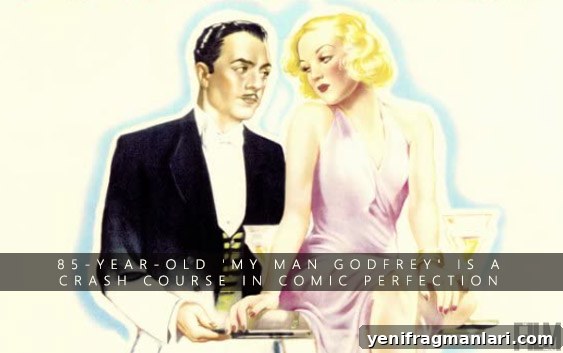
Gregory La Cava’s 1936 classic My Man Godfrey exemplifies that enduring comic style. A masterclass in timing, performance, and snappy dialogue, the film remains remarkably fresh at eighty-five years old. Its buoyant tone is punctuated by sharp social satire, creating a comic rhythm that still resonates.
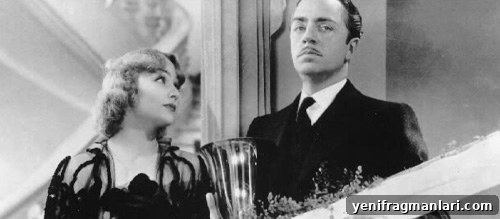
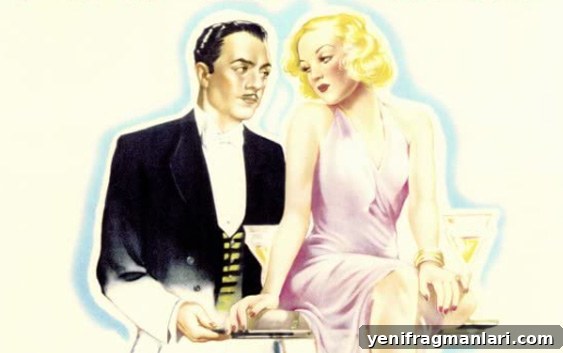
The movie, often credited with helping to define the screwball comedy, centers on Irene Bullock (Carole Lombard), a wealthy debutante who becomes infatuated with her family’s new butler, Godfrey Park (William Powell). After encountering Godfrey among the city’s discarded refuse during a scavenger hunt designed to collect a “forgotten man,” Irene hires him out of a mix of guilt and genuine curiosity. Godfrey, a man of refinement but reduced circumstances, enters life on Park Avenue and upends the Bullocks’ gilded, chaotic world while quietly resisting his growing affection for Irene.
Shot against the backdrop of the Great Depression, the film opens with a striking visual contrast: glittering Manhattan skyscraper credits give way to scenes of garbage trucks and men warming themselves at dump fires. That single visual sequence establishes the gulf between wealth and want—an early and effective statement about class and consumer excess.
Eric S. Hatch’s story provided the basis for a screenplay by Hatch and Morrie Ryskind, with La Cava famously refining dialogue on the set. The result is a rapid-fire succession of witty lines and memorable exchanges. One brief example: when Godfrey tells Irene his asthma makes him live at the dump, she responds, “My uncle has asthma,” and Godfrey dryly replies, “Now there’s a coincidence.” Little moments like that pepper the film, demonstrating dialogue crafted to feel spontaneous yet razor-sharp.
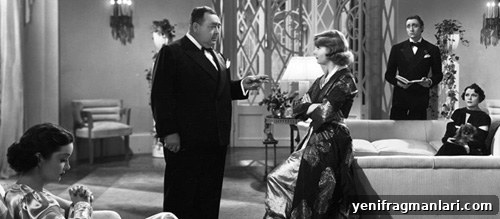
The film’s banquet-hall sequence and Banter among characters are full of perfectly timed comic beats. Eugene Pallette’s Mr. Bullock delivers deadpan observations—“All you need to start an asylum is an empty room and the right kind of people”—only to be followed by visual jokes, such as Mrs. Bullock entering with a goat on a leash. These contrasts—sharp verbal wit layered over absurd, character-driven actions—are La Cava’s specialty.
La Cava’s approach to filmmaking grew from an art-school background and an early career in comic strips and short films. He treated every scene as a composition: multiple elements—visuals, movement, timing, and dialogue—had to interlock like a tapestry. That painterly sense of structure, combined with an understanding that humor must be active and physical, gave his comedies their liveliness. La Cava would often revise lines during production, shaping performances so the dialogue sounded natural and immediate.
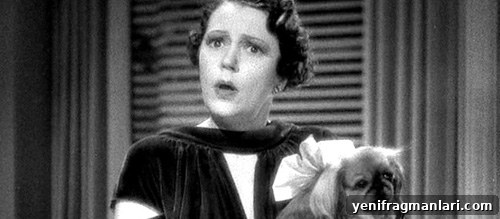
My Man Godfrey is also notable for its ensemble cast. It remains one of the few films to receive Academy Award nominations in all four acting categories: Best Actor for William Powell, Best Actress for Carole Lombard, Best Supporting Actress for Alice Brady, and Best Supporting Actor for Mischa Auer. The supporting players—Eugene Pallette, Jean Dixon, Alan Mowbray, and Gail Patrick—bring distinct comedic energies, while Alice Brady’s caricature of wealthy pretension stands out for its perfectly pitched silliness.
The chemistry between Powell and Lombard is a major source of the film’s charm. Powell’s sardonic restraint balances Lombard’s wild, physical comedy. Irene’s exaggerated affectations—striking poses, theatrical sighs, and a dramatic faint staged to catch Godfrey’s attention—are performed with fearless commitment, and Lombard’s flair for broad visual comedy foreshadows later television greats who mined similar territory.
Beyond laughs, the movie offers a surprising moral clarity about class and authenticity. Godfrey is not, as first appears, merely a destitute man; he reveals that he chose the rough honesty of the dumps over a sheltered life of privilege because he preferred the directness and grit of people who “were fighting it out and not complaining.” That revelation complicates the rich-versus-poor dynamic and critiques the emptiness of Park Avenue manners.
My Man Godfrey mixes barbed social satire with romantic farce, creating a blend that feels both of its era and applicable to modern concerns about inequality and authenticity. The film’s modest budget and creative economy are a reminder that enduring comedy depends less on spectacle and more on characters, craft, and incisive writing.
La Cava’s model—intelligent, character-driven comedy where verbal wit and physical action complement one another—remains fertile ground for contemporary filmmakers. Stories that examine class differences through humor and heart could reconnect audiences across political and social divides, proving that smart, character-based comedies can still be both relevant and entertaining.
Written by Sloan De Forest