
Muppet Treasure Island (1996)
Director: Brian Henson
Screenplay: Jerry Juhl, Kirk R. Thatcher, James V. Hart
Starring: Tim Curry, Billy Connolly, Jennifer Saunders, Kevin Bishop, Dave Goelz, Steve Whitmire, Jerry Nelson, Kevin Clash, Bill Barretta, Frank Oz
Overview: Muppet Treasure Island is the Muppets’ fifth theatrical film, directed by Brian Henson, which blends classic adventure with the franchise’s trademark anarchic comedy. Known for songs like “Cabin Fever,” the film remains a favorite among families and Muppet fans alike, praised for its balance of swashbuckling action, musical numbers, and broad, surreal humour that engages both children and adults.
Plot Summary
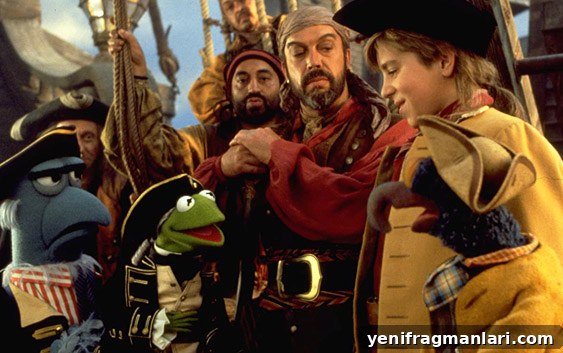
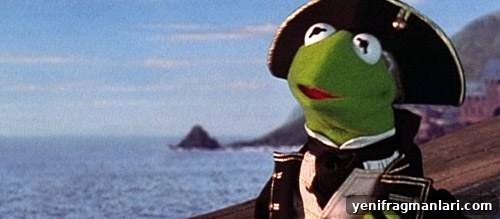
The story follows Jim Hawkins (Kevin Bishop), an orphan who works at the Benbow Inn with Gonzo and Rizzo. Their lives change when Captain Billy Bones (Billy Connolly), a boisterous old mariner, arrives and tells tales of the fearsome Captain Flint and buried treasure. When Blind Pew appears to deliver the pirate’s “Black Spot,” Billy dies, leaving Jim the treasure map. Eager for adventure, Jim persuades the well-meaning but gullible Squire Trelawney (Fozzie Bear) to fund a voyage. The expedition is placed under the care of Long John Silver (Tim Curry), a charismatic one-legged cook whose duplicity soon becomes clear. With Captain Kermit (as Captain Smollett) and Jim racing against the mutinous pirates, the film blends danger, loyalty, and humor into a classic Treasure Island tale with a distinctly Muppet flavor.
Writing, Direction, and Tone
Brian Henson and veteran writer Jerry Juhl ensure the film honors Robert Louis Stevenson’s original adventure while softening its darker elements for young viewers. The screenplay keeps the story’s core stakes—betrayal, survival, and redemption—while frequently defusing tension with well-timed jokes and musical interludes. That mixture prevents the film from becoming frightening for children and provides many clever asides that resonate with adult audiences. Short comedic sketches and recurring subplots—such as a group of rats treating the voyage like a cruise—help sustain momentum and keep younger viewers engaged during exposition-heavy stretches.
Puppetry, Performances, and Character Work
The Muppets bring their usual inventiveness, combining puppet craftsmanship with live-action performances. While the movie may not break new ground in puppetry compared with earlier Muppet milestones, it synthesizes the best elements of prior films into a polished, crowd-pleasing package. The film’s emotional weight rests largely on the human performances: Kevin Bishop’s Jim provides youthful earnestness, while Tim Curry’s Long John Silver steals nearly every scene. Curry embraces the campy, larger-than-life role while delivering quieter, more believable moments of connection with Jim—making Silver both irresistible and dangerous. That dynamic is the emotional engine of the film, allowing the Muppets free rein to be outrageously funny around a solid dramatic core.
Some of the ensemble’s comic excesses can feel loud or overextended at times, but the humor rarely undercuts the story. Characters like Kermit and Sam Eagle serve as the straight men when needed, balancing chaos with heartfelt stakes. Overall, the chemistry between the puppet cast and human actors is a highlight and a key reason the film remains so beloved.
Music and Production
Musically, the film is among the Muppets’ most accomplished. Hans Zimmer’s score—created before his later blockbuster work—supports the adventure with energetic themes, while the movie’s original songs are integral to tone and storytelling. Musical numbers such as “Cabin Fever” provide emotional lift and comic set pieces, bolstering the film’s status as an underrated entry in musical family cinema. Production values are strong even if they do not quite match the lavish Victorian London recreation of The Muppet Christmas Carol; still, the sets, costumes, and seafaring sequences convey an enjoyable, immersive atmosphere.
Legacy and Appeal
Muppet Treasure Island endures because it respects both its source material and the Muppet brand. It balances peril with playfulness, dramatic beats with slapstick, and original music with memorable character work. For many who grew up with the Muppets, this film represents the last of the classic-era theatrical releases that captured the franchise’s sweet spot of heart and lunacy. While it may not reinvent the wheel, it consistently delivers laughs, tunes, and a sense of fun that holds up on repeat viewings as adults and children return to it with equal fondness.
17/24