
Censor (2021)
Director: Prano Bailey-Bond
Screenwriter: Prano Bailey-Bond, Anthony Fletcher
Starring: Niamh Algar, Sophia La Porta, Michael Smiley
The moral panic surrounding the so-called “video nasties” of the 1980s remains a rich and troubling chapter in British film history. Censor (2021) approaches that era not as a simple period piece or a nostalgic pastiche, but as an exploration of censorship, trauma, and the blurry line between image and reality. Rather than simply recreating lurid footage for its own sake, the film interrogates how the act of watching, classifying and suppressing violent imagery affects those whose job it is to make those decisions.
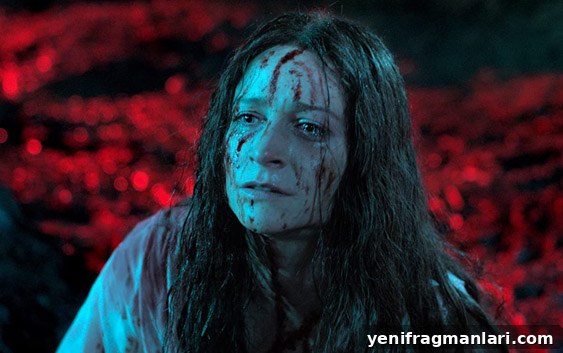
The film follows Enid (Niamh Algar), a film censor working for the British Board of Film Censors during the height of the DPP list. Enid’s life is haunted by the unresolved disappearance of her sister years earlier, and she becomes convinced that a disturbing horror movie holds clues to what happened. As she pores over reels and tapes, Enid’s personal trauma begins to leak into her professional world, leading to an unsettling overlap between the films she watches and her own memories and fears. The narrative unfolds as a tense psychological thriller with moments that verge on the psychedelic, favoring dread and atmosphere over explicit gore.
Director and co-writer Prano Bailey-Bond, in her feature debut, demonstrates considerable control over tone and texture. She crafts an environment where the censorship office itself feels ominous: a bureaucratic labyrinth filled with fluorescent light, humming machinery and muffled images. The film uses sound design and production design to cultivate a pervasive sense of unease. Even in scenes with little visible violence, the audience senses an ever-present threat; the world of Censor seems to leak menace from every seam.
One of the film’s strengths is how it balances historical context with a personal story. The 1980s moral panic and the authoritarian impulses behind the DPP list provide a credible political backdrop without overwhelming the human element at the center of the film. Bailey-Bond and co-writer Anthony Fletcher use the reality of censorship to frame Enid’s psychological unraveling, suggesting that institutions that attempt to regulate expression can also distort memory and identity.
Performances ground the film’s uneasy atmosphere. Niamh Algar delivers a nuanced portrayal of Enid: precise and restrained on the surface, but brittle and unstable beneath. Supporting performances, including Sophia La Porta and Michael Smiley, populate the world with coworkers, friends and strangers who reflect different attitudes toward art, responsibility and culpability. The ensemble contributes to a feeling that the story is both intimate and emblematic of a wider cultural panic.
Stylistically, Censor resists simple categorization. It borrows elements from horror, thriller and arthouse cinema to create something distinct: a slow-burning mystery that rewards attentive viewing. The film’s restraint is deliberate. Rather than satisfying expectations for shock, it frequently withholds clear answers, allowing unsettling ambiguities to remain. This choice may polarize viewers expecting a more conventional horror, but it also enhances the film’s central questions about perception and truth.
At times the film’s thematic layering can feel dense; the line between filmic fiction and traumatic memory intentionally blurs until the viewer must actively parse reality. This complexity is part of the film’s ambition. When the pieces coalesce, the ending delivers an emotionally and intellectually satisfying payoff that resonates beyond the immediate plot, emphasizing how censorship and self-censorship shape both individual lives and cultural narratives.
For fans of thoughtful, atmospheric cinema and for those interested in film history and media ethics, Censor offers a compelling experience. It is a confident debut that showcases Prano Bailey-Bond’s ability to merge concept, style and performance into a cohesive whole. Imperfect yet provocative, the film invites conversation about the limits of regulation, the responsibilities of viewers, and the ways trauma can haunt the images we consume. 17/24