

Hannibal Lecter stands among fiction’s most chilling and fascinating serial killers. Synonymous with brutality and bloodshed, he is also a figure of eerie refinement and formidable intellect. That paradox—extreme violence wrapped in cold, cultured composure—has made Lecter one of the most influential villains in modern cinema.
The Hannibal franchise, adapted from Thomas Harris’s novels, has become a horror staple over more than three decades. The series’ second film, The Silence of the Lambs, remains a landmark: it was a critical juggernaut that won multiple Academy Awards, including Best Picture, and set a high bar for psychological horror. Across sequels, prequels and reboots the franchise has generated significant box office returns and an enduring cultural presence, with Hannibal himself becoming a byword for cinematic menace.
Anthony Hopkins’s portrayal, subtle and devastating, is a large part of the franchise’s lasting power. His small gestures and precise delivery create a terrifyingly believable intellect behind the madness. In the following ranking, we look back at the five major Hannibal films, assessing them by artistic merit, cultural impact, critical reception and audience response to determine how each entry contributes to the character’s legacy.
5. Hannibal Rising (2007)
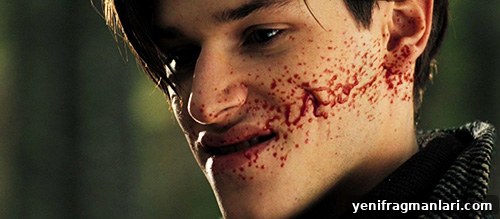
Hannibal Rising, the most recent feature in the series, lands at the bottom of this list because it reads more like a wartime revenge drama than a true horror film. Rather than preserve the mystery and menace that define Lecter, the film attempts to explain his origins in exhaustive detail.
Gaspard Ulliel portrays a young Hannibal, long before Clarice Starling or his imprisonment. The narrative follows Hannibal’s childhood in wartime Lithuania, where he and his sister endure traumatic loss and abuse that fuel his later vengeance. The backstory is undeniably tragic and brutal, but by demystifying Hannibal it strips away much of the character’s unnerving allure.
As an origin tale, Hannibal Rising offers context but sacrifices the subtlety that made Lecter terrifying in earlier films. Where previous adaptations relied on suggestion and psychological dread, this film delivers explicit motive and emotional justification for Lecter’s actions. That choice leads viewers to feel sympathy or understanding rather than the complex mixture of fascination and horror the character normally provokes. Ulliel gives a committed performance, but he does not replace the iconic presence Anthony Hopkins brings to the role.
4. Hannibal (2001)
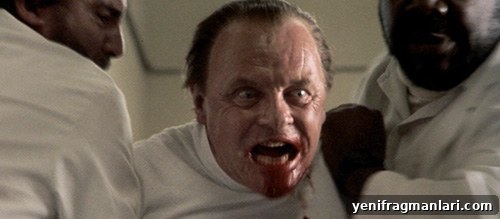
Hannibal Review
The 2001 sequel divided audiences and critics. Director Jonathan Demme and actress Jodie Foster did not return, and Julianne Moore stepped into the role of Clarice Starling, a casting change that frustrated many fans. Ridley Scott’s more cinematic, action-oriented approach gives the film striking visuals and a brisker pace than the earlier entries, but the plot is dense and sometimes overcomplicated.
Set largely in Florence, the story reunites Lecter (still portrayed by Hopkins) with Clarice, who has become a more complicated public figure. At the same time Mason Verger, a past victim, seeks ruthless revenge. The film is rich in atmosphere and offers a fascinating power dynamic between Lecter and Starling, yet its many subplots dilute tension at times. Its strengths lie in visual style and the interpersonal drama that drives the sequel’s emotional core.
3. Manhunter (1986)
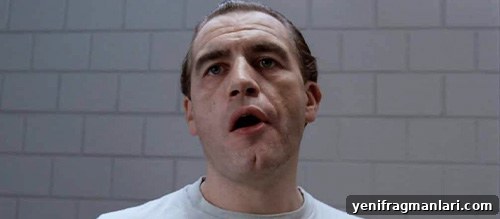
Michael Mann’s Manhunter was the first screen adaptation of Thomas Harris’s material and introduced Will Graham and Hannibal Lecter to film audiences. William Petersen’s Will Graham is portrayed with a clear emotional life: his family relationships and inner turmoil are given weight, offering insight into the detective’s psyche in a way later films do not always explore.
Brian Cox plays Lecter in a restrained, intellectual mode that differs from Hopkins’s explosive menace. Manhunter keeps Lecter mostly offscreen until later in the story, which could have heightened anticipation, but Cox’s performance is less overtly frightening. The film’s casting is strong overall—Tom Noonan’s Tooth Fairy Killer and Joan Allen’s Reba provide memorable performances—but some period-specific soundtrack choices and stylistic experiments sometimes distract from the intended dread.
As a genre piece, Manhunter set important groundwork for the franchise. It blends procedural intensity with a melancholic tone, but it falls short of delivering the kind of sustained, spine-chilling horror that the franchise would later perfect.
2. Red Dragon (2002)
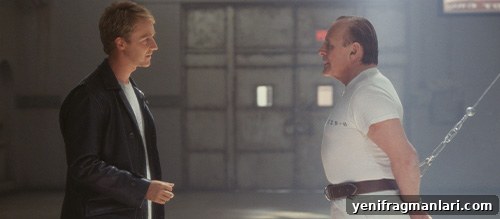
Red Dragon revisits the Will Graham story with a strong cast—Edward Norton as Graham, Anthony Hopkins returning as Lecter, Ralph Fiennes as the Tooth Fairy Killer, and a solid supporting ensemble. This film shifts the spotlight from Lecter to Graham, framing the story as an intense psychological hunt that pairs detective and criminal in a battle of wits and trauma.
Red Dragon balances procedural investigation with haunting character work. It’s a tense, well-crafted thriller that leans into brutality without losing focus on the characters’ emotional stakes. While Lecter plays a supporting role rather than the central antagonist, the film succeeds as a compact, ruthless horror-thriller that showcases the franchise’s strengths: smart casting, deliberate pacing and a dark, oppressive atmosphere.
1. The Silence of the Lambs (1991)
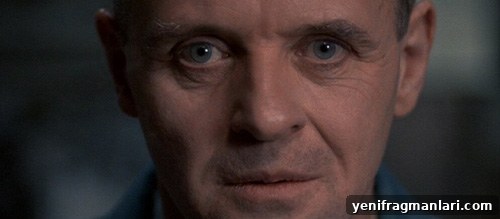
The Silence of the Lambs Review
The Silence of the Lambs is the franchise’s crowning achievement and a defining work of psychological horror. Its critical success and multiple Academy Awards reflect a film that blends meticulous craft with visceral dread. Director Jonathan Demme creates a steadily mounting atmosphere of unease, and the film’s design—from camera work to sound—serves the story’s intimate terror.
Anthony Hopkins’s Dr. Hannibal Lecter is an exercise in controlled menace. From the first close-ups of his cell to his unnerving conversational tactics, Lecter’s intelligence and unpredictability create a sense of imminent threat. Jodie Foster’s Clarice Starling is equally memorable: her combination of vulnerability, resolve and moral complexity makes her one of the genre’s most enduring protagonists.
The film’s secondary antagonist, Buffalo Bill, provides raw, disturbing violence that contrasts with Lecter’s clinical detachment, giving the movie a chilling duality. The Silence of the Lambs remains gripping, haunting and nearly impossible to forget—its psychological power and technical precision make it the best entry in the series.
Whether you agree with this ranking or have a different order in mind, the Hannibal films collectively demonstrate how a single fictional character can shape and sustain decades of storytelling. Lecter’s blend of intellect, refinement and monstrous action ensures he remains one of horror’s most unnerving figures: frightening not just for his crimes, but for how convincingly human he can seem.
Written by Libby Briggs
You can support the author on Twitter: @libbyjxde