
The French Dispatch (2021)
Director: Wes Anderson
Screenwriter: Wes Anderson
Starring: Bill Murray, Owen Wilson, Tilda Swinton, Frances McDormand, Jeffrey Wright, Adrien Brody, Benicio del Toro, Léa Seydoux, Elisabeth Moss, Timothée Chalamet, Edward Norton
Wes Anderson’s cinematic signature has become instantly recognizable: precise composition, vivid color palettes, meticulous production design and a whimsical, deadpan tone. Those qualities are on full display in The French Dispatch, a film that reads like a handcrafted tribute to print journalism, French cinema and Anderson’s own aesthetic. Originally slated for release in mid-2020, the movie premiered at Cannes and the London Film Festival before reaching general audiences in October 2021. For many viewers, The French Dispatch represents the director at his most concentrated — an unapologetic distillation of the visual and narrative devices he has refined throughout his career.
The French Dispatch is structured as an anthology of four distinct dispatches — short pieces compiled into the final edition of the eponymous magazine, a supplement to the fictional Liberty, Kansas Evening Sun, set in the made-up French town of Ennui-sur-Blasé. The framing device is simple: the magazine’s long-serving editor, Arthur Howitzer Jr. (Bill Murray), has died and left instructions that the publication should close after producing one last issue. The resulting film assembles a series of articles that together form a heartfelt, often funny meditation on art, politics, love and the craft of reporting.
The lead dispatches are:
“The Cycling Reporter,” written by Herbsaint Sazerac (Owen Wilson), serves as a breezy tour of Ennui-sur-Blasé. Wilson’s amiable presence anchors this brief segment; his easy rapport with Anderson’s rhythm helps orient the audience to the film’s tone and the town’s peculiar characters. Though short, this piece showcases Anderson’s eye for small local details and offbeat humor.
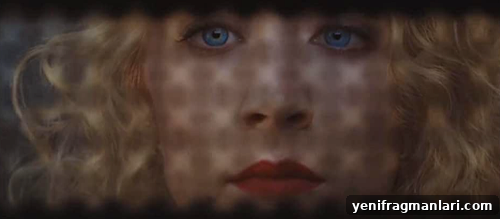
“The Concrete Masterpiece,” by art critic J.K.L. Berensen (Tilda Swinton), centers on incarcerated painter Moses Rosenthaler (Benicio del Toro) and his relationship with his muse Simone (Léa Seydoux). The story satirizes and celebrates the contemporary art world through a theatrical, almost fable-like lens. Adrien Brody plays the ambitious art dealer Julien Cadazio, and his performance — along with Del Toro’s unpredictable energy and Swinton’s deadpan commentary — forms the emotional and comedic core of the segment.
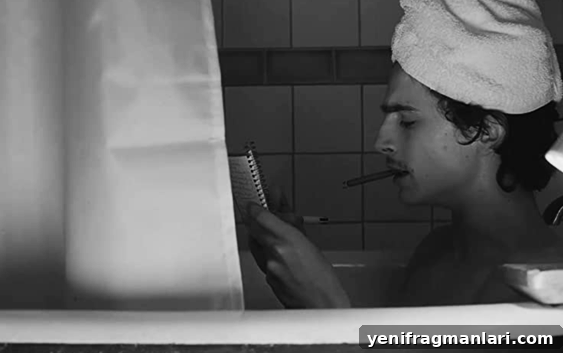
“Revisions to a Manifesto,” reported by Lucinda Krementz (Frances McDormand), follows student unrest and radical activism reminiscent of 1960s French New Wave cinema. Timothée Chalamet portrays Zeffirelli, a charismatic student leader, and the sequence openly nods to filmmaking pioneers such as Truffaut and Godard. Anderson borrows stylistic flourishes from those influences — jump cuts, handheld energy and a playful sense of protest — while keeping his own distinctive visual vocabulary intact.
The final dispatch, “The Private Dining Room of the Police Commissioner,” is recounted by Roebuck Wright (Jeffrey Wright) as a televised memoir. This story-within-a-story turns on an absurd kidnapping and the domestic rituals of police officers who take refuge in cooking and companionship. It is arguably the film’s most tender, reflective section, balancing humor with a quieter emotional weight that lingers after the credits.
The ensemble cast is one of the film’s standout assets. As is typical in Anderson’s work, a host of celebrated actors populate supporting roles, and while some receive only brief moments to shine, the principal performers fully inhabit the director’s stylized dialogue and cadence. Bill Murray, Frances McDormand, Tilda Swinton, Owen Wilson and Jeffrey Wright deliver performances that feel perfectly calibrated to the film’s comic and melancholic registers. With such a dense ensemble, a few actors appear in smaller capacities than their reputations might suggest, yet even those brief turns contribute texture to the film’s miniature world.
Cinematographer Robert Yeoman continues his long collaboration with Anderson, moving deftly between black-and-white sequences and saturated color to underscore each story’s mood. The cinematography highlights key visual motifs — the texture of Moses’ paintings, the crisp geometry of newsroom sets, the vivid costuming — while allowing Anderson’s meticulous production design to shine. Set pieces like the French Dispatch newsroom and the recurring Café Le Sans Blague provide a consistent, lovingly detailed backdrop that rewards close viewing.
Stylistically, The French Dispatch is not designed to be a conventional, plot-driven movie. Instead it functions as a collage: a curated selection of images, jokes and mise-en-scène that celebrates print media, magazine writing and the pleasures of storytelling. The film’s devotion to form makes it a love letter to journalism and to the cinematic influences Anderson admires, and viewers who appreciate his precise, referential approach will find much to enjoy. Those expecting a more streamlined narrative may find the film’s episodic structure and dense stylistic flourishes challenging.
Overall, The French Dispatch offers a richly detailed, affectionately eccentric portrait of a bygone world of reporting, filtered through Wes Anderson’s unmistakable creative lens. It is a film for admirers of auteur-driven cinema: visually sumptuous, sharply cast and full of small, satisfying pleasures for those who savor design, dialogue and the rhythms of magazine writing.
21/24