
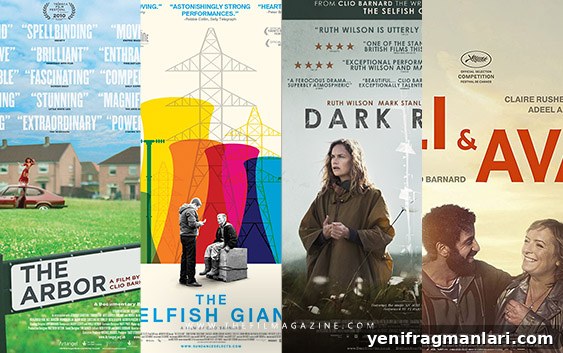
Coming from an artistic family in West Yorkshire and winning critical praise for both short films and a bold feature debut, Clio Barnard has rapidly become one of the most respected British independent directors. Her work has established her as a singular voice in contemporary UK cinema, firmly rooted in the landscapes and communities of northern England.
Barnard has consistently kept her films local and independent, resisting the creative compromises that larger productions often demand. Her distinct voice across three features by 2020 earned her recognition among critics and film lovers alike. Bradford and its surrounding areas serve as Barnard’s creative terrain: three of her four features were conceived, workshopped, and shot in that diverse northern city. She develops projects closely with the communities she portrays, a method that gives her films an unusual authenticity and emotional depth.
By involving real people and real locations in the development process, Barnard ensures her characters and the events on screen feel lived-in and true. Her approach blends documentary techniques with dramatic storytelling, resulting in films that are intimate, unflinching, and humane. Based on critical reception and cultural impact, the following is a ranked overview of Clio Barnard’s main feature films.
4. Dark River (2017)
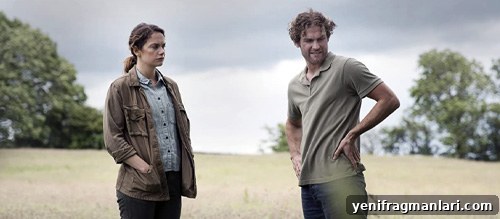
Dark River follows siblings who clash over the fate of their father’s failing farm. Alice (Ruth Wilson), who returns after years away, confronts painful memories of abuse and finds the farm itself a place of grief and uneasy memories, while her brother Joe (Mark Stanley) has remained on-site and is less able or willing to face the past.
The film joins a wave of mid- to late-2010s dramas set in agricultural Britain that portray the demanding, isolated, and often precarious realities of rural life. Barnard layers this social realism with a chilling, almost Gothic atmosphere: Alice experiences haunting flashbacks and an almost supernatural sense of being forced to relive traumatic events. Adriano Goldman’s cinematography, with its low light, mist, and muted palette, deepens this sense of unease and keeps the film in the territory of a waking nightmare.
Performances by Ruth Wilson and Mark Stanley are raw and nuanced; their fraught sibling relationship evolves as more of their shared history is revealed. Dark River stands out in Barnard’s catalog for integrating psychological horror tones into a deeply grounded family drama.
3. The Arbor (2010)

The Arbor is an inventive, experimental documentary about Bradford playwright Andrea Dunbar, whose brief life had an outsized artistic impact. Rather than relying on standard talking-head interviews, Barnard reimagines documentary form: she films actors performing scenes from Dunbar’s life and overlays those performances with recorded voices of the real people who knew her.
This technique creates a startling, sometimes dissonant experience that invites viewers to question how documentaries construct truth. By closely involving Dunbar’s friends and neighbors, Barnard provides a layered portrait that feels honest and intimate—less a definitive biography than a living, complex account shaped by those who lived it. The Arbor demonstrates Barnard’s willingness to experiment and challenge conventions while remaining empathetic to her subjects.
Recommended: Rita, Sue and Bob Too — a look at Andrea Dunbar’s impact and legacy.
2. Ali & Ava (2021)
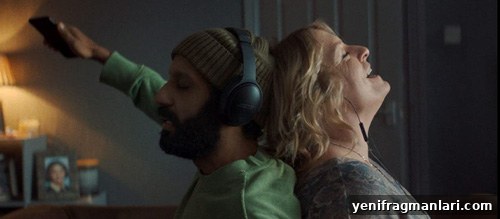
Ali & Ava tells the story of an unexpected relationship between Ali, a British-Asian DJ, and Ava, a white school assistant. Both characters are navigating major life changes, and their connection grows from a careful, tentative friendship into something deeper. The film avoids sentimental clichés and resists exploiting hardship for drama; instead, it emphasizes quiet human connection and hope.
Barnard handles issues of race, class, and family sensitively. Ali is somewhat estranged from his family, while Ava has raised her son alone; her son Callum’s protectiveness and limited understanding of communities outside his own creates tension that the film explores without resorting to easy answers. Gentle performances by Adeel Akhtar and Sian Brooke (credited here as Sian Rushbrook in some sources) give the film warmth and emotional resonance, and Barnard’s use of music and atmosphere enhances a sense of possibility and renewal.
1. The Selfish Giant (2013)
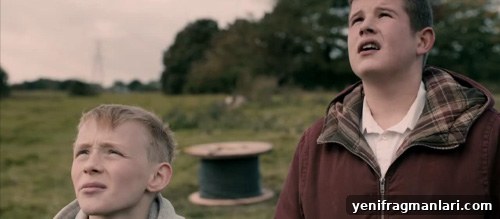
The Selfish Giant is Barnard’s most acclaimed work: a modern fable about two young friends who collect scrap metal to survive and dream of a better life. The film’s power comes from its naturalistic performances—especially from Conner Chapman and Shaun Thomas—and Barnard’s evident commitment to developing performances within the communities she depicts.
The film evokes Dickensian themes: friendship, exploitation, and moral consequence. Barnard portrays absent parents, fractured families, and the harsh realities faced by children in neglected neighborhoods without moralizing. Instead, she shows the world as it is, revealing both cruelty and small acts of kindness. The Selfish Giant lingers like a folktale—timeless in its concerns and universal in its emotional reach—making it a standout achievement in contemporary British cinema.
Clio Barnard’s films are notable for their empathy, formal innovation, and the trust she builds with the people and places she portrays. Whether through documentary experimentation or intimate fictional drama, her work consistently foregrounds the lives of those often overlooked by mainstream cinema. Which of Barnard’s films resonates most with you? Share your thoughts and engage with other viewers in the comments section of the original publication.