The Godfather (1972)
Director: Francis Ford Coppola
Screenwriter: Mario Puzo, Francis Ford Coppola
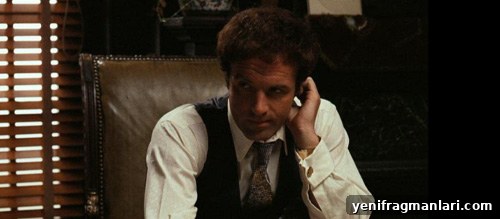
Starring: Marlon Brando, Al Pacino, James Caan, Robert Duvall, Lenny Montana
The Godfather remains one of American cinema’s most influential and enduring films. Released in 1972, Francis Ford Coppola’s adaptation of Mario Puzo’s novel combined meticulous direction, powerful performances, and a richly textured portrayal of family, power, and moral compromise. The film achieved both critical acclaim and box-office success, winning three Academy Awards including Best Picture, and it reshaped how gangster stories could be told on screen.
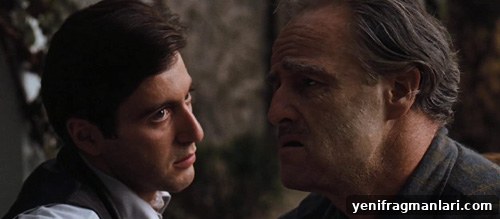
The narrative centers on the Corleone family, an Italian-American crime dynasty in New York guided by its patriarch, Vito Corleone. Vito’s youngest son, Michael Corleone, initially distances himself from the family’s criminal enterprises, returning from college and military service with ambitions separate from the family business. Over the course of the film, Michael is drawn in by violence and loyalty, undergoing a tragic transformation as he rises to become the head of the family. The arc from reluctant outsider to powerful Don is one of cinema’s most compelling character journeys.
Production of The Godfather had its tensions. Coppola, who co-wrote the screenplay with Mario Puzo, faced studio pressure and creative disagreements, yet his personal vision proved essential to the film’s success. He was instrumental in casting Marlon Brando as Vito Corleone, a decision that brought gravitas and nuance to the role. Coppola’s insistence on certain creative choices and his willingness to incorporate family members and intimate details helped the movie feel both epic and personal. The result was a film that balanced operatic scale with quiet, human moments.
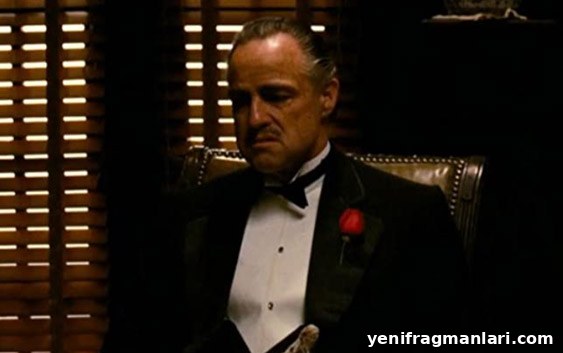
Marlon Brando’s portrayal of Vito Corleone is often cited as one of the greatest performances in film history. Brando captured the Don’s complexity—his warmth and paternal care alongside an implacable, ruthless side. The film opens with wedding scenes that establish Vito as both a community leader and a man who commands fear and respect. These sequences reveal the duality at the heart of the character: a family man who also presides over an underworld of violence and obligation.
Al Pacino’s Michael Corleone provides the film’s emotional and dramatic core. Pacino charts Michael’s descent into the family’s violent world with restrained, powerful acting. A turning point comes when Michael moves his father’s hospital bed to thwart a further attack, signaling the moment he steps from moral detachment into protective, decisive action. James Caan and Robert Duvall round out the central trio as Sonny and Tom Hagen. Caan brings explosive intensity to Sonny, the hot-headed eldest son whose temperament leads to a violent fate. Duvall’s Tom is the family’s consigliere, steady and pragmatic, representing the legal and political maneuvering that supports the Corleones’ power.
The film’s use of violence is deliberate and often consequential. Coppola resists gratuitous spectacle, instead using violent acts to advance character and theme. Scenes that blend brutality with everyday concerns—such as the famous line about cannoli—underscore how violence is woven into the fabric of this family’s life. While the movie can feel like a romanticized portrait of organized crime, it also attends to the moral costs and corrosive consequences of that lifestyle.
Female characters in The Godfather are comparatively limited in scope, frequently positioned in the background of the male-driven narrative. Women in the film often embody domestic or supportive roles, reflecting the patriarchal world the story depicts. This dynamic is something critics have noted, and later entries in the series make modest efforts to expand the agency of characters like Kay Adams.
Beyond its narrative and performances, the legacy of The Godfather includes its influence on American independent filmmaking and the auteur tradition. Coppola’s insistence on creative control and personal expression helped demonstrate how mainstream cinema could accommodate distinctive directorial voices. The film’s cinematography, score, and period detail have all contributed to its lasting presence in the cultural imagination.
Decades after its release, The Godfather continues to be studied and celebrated for its storytelling craft, its moral complexity, and the strength of its cast. While tastes and social contexts evolve, the film’s exploration of family, power, and identity keeps it relevant to new generations of viewers and secure among the greatest achievements of American filmmaking.
21/24