
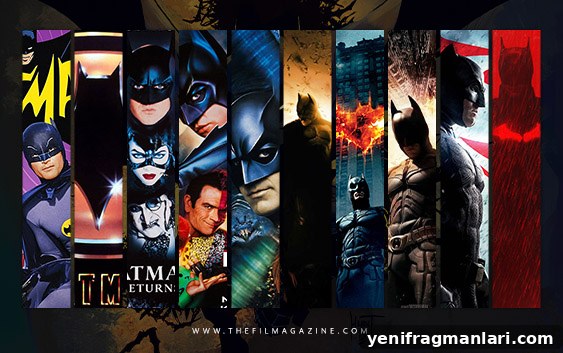
The Batman has been a defining figure in Western popular culture for nearly a century. The Caped Crusader’s stories—told through comic books, television (both live-action and animated), video games, and films—have resonated with audiences of all ages. From occasionally silly camp to deeply brooding drama, Batman’s portrayal of Bruce Wayne has become embedded in the cultural zeitgeist.
Since the character’s debut in 1929, the Batman property has amassed vast global revenues and enduring popularity. On the big screen alone, Batman films have earned billions worldwide, ranking the franchise among the highest-grossing in cinema history. Across the decades—the 1960s, 1980s, 1990s, 2000s, 2010s, and 2020s—Batman has remained relevant, serving as a vessel for filmmakers to explore social themes and personal conflicts. In that respect, the character’s longevity and cultural impact place him among the most iconic figures of modern storytelling.
10. Batman & Robin (1997)
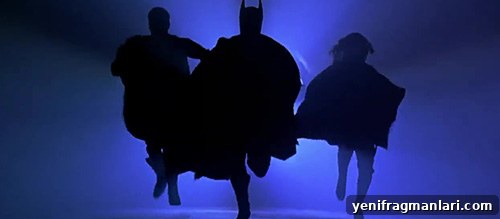
Batman & Robin met with harsh critical reaction at release. The film’s tone and choices alienated many viewers and even led to public regret from some involved creatives. The 1997 adaptation is widely seen as a tonal misstep: it attempted to chase pop-culture merchandising and broad family appeal at the expense of coherent thematic direction. Bright visuals, campy dialogue, and a heavy focus on toyetic elements left the film feeling corporate and shallow to many long-time fans.
Beyond stylistic problems, the film’s inconsistent tone and over-packed ideas prevented it from honoring the character’s dramatic potential. For many viewers, this remains the weakest live-action Batman outing—a movie that undervalued the character’s narrative depth and relied too heavily on surface flash and marketing-driven choices.
9. Batman the Movie (1966)
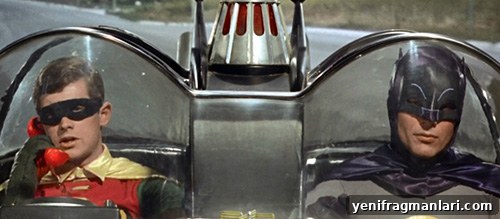
The 1966 Batman the Movie is delightfully ridiculous and intentionally campy. Rooted in the television show’s playful sensibility, it embraces broad comedy, low-budget charm, and a whimsical tone that produced memorable, if silly, moments—like the infamous “shark repellent” gag. Adam West’s earnest performance has remained influential and beloved by many fans for its sincerity.
That said, the film is a product of its era: it doesn’t explore the darkness or complexity that later Batman adaptations would emphasize. It’s light entertainment, enjoyable for those seeking nostalgic, turn-your-brain-off fun rather than a deep dramatic experience.
8. Batman Forever (1995)
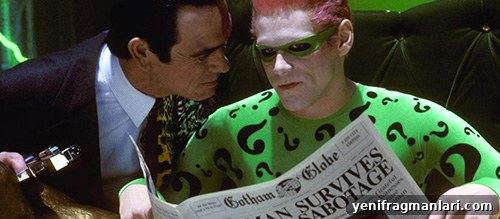
Batman Forever marked a stylistic pivot for the franchise. Built as a brighter, more family-friendly entry, the film leaned into theatrical performances and flashier visuals. While charismatic performances and a carnival-like production design stand out, the movie often feels unfocused—part homage to the campy 1960s vibe, part attempt at mainstream merchandising appeal.
The film’s energy relies heavily on strong supporting turns and showy set pieces, but tonal clashes and a scattershot script prevent it from reaching the emotional depth of darker adaptations. Still, its exuberance and spectacle have earned it a distinct place in Batman film history.
7. Batman v Superman: Dawn of Justice (2016)
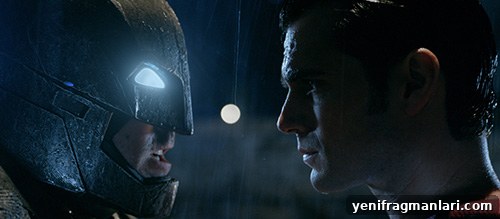
Batman v Superman presented a grittier, more world-weary Batman than many previous live-action interpretations. Ben Affleck’s portrayal offered a seasoned, battle-worn take on the character, highlighting detective instincts and a darker moral complexity. The film also attempted to build a broader cinematic universe, introducing multiple major heroes and laying groundwork for future stories.
However, sharing focus with Superman and introducing an array of new characters diffused the film’s attention. A number of narrative choices—some divisive and others uneven—detracted from what might have been a tighter character study. Despite these flaws, the film includes resonant visual moments and sequences showcasing Batman’s tactical prowess and strategic mind.
6. Batman Returns (1992)
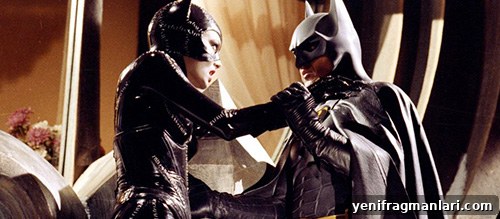
Tim Burton’s Batman Returns broadened the world established in his 1989 film by introducing vivid new villains and a richly stylized Gotham. With standout performances—particularly Danny DeVito’s Penguin and Michelle Pfeiffer’s Catwoman—the film delivered memorable characters and darkly whimsical visuals. While studio pressures influenced the film’s tone and character roster, it remains a strong, character-driven blockbuster.
Burton’s unique vision and atmospheric direction make Batman Returns a compelling, if slightly more commercial, extension of his earlier work. It balances spectacle with emotional complexity, offering viewers a distinct and immersive Gotham experience.
5. Batman (1989)
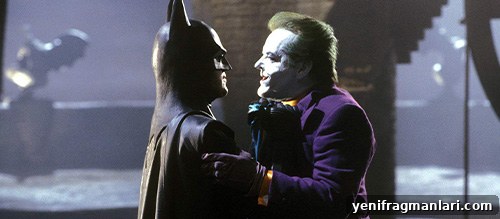
Tim Burton’s 1989 Batman stands as a landmark in superhero cinema. Moving away from earlier lighter portrayals, Burton introduced a darker, gothic aesthetic that reshaped how comic book adaptations could look and feel. Michael Keaton’s unexpected casting as Bruce Wayne and Jack Nicholson’s unforgettable Joker helped turn the film into a cultural phenomenon.
Though some elements show their age, and certain lines and concepts reflect their time, Batman (1989) redefined expectations for superhero storytelling on film. Its influence continues to be felt across the genre.
4. The Dark Knight Rises (2012)
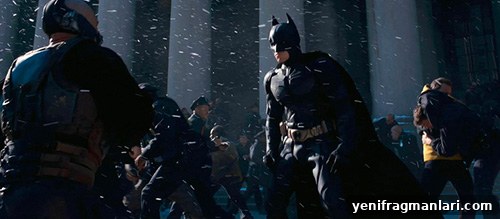
The Dark Knight Rises concludes Christopher Nolan’s acclaimed Dark Knight Trilogy, bringing many narrative arcs to satisfying closure. Nolan ramped up the blockbuster elements in service of a sweeping finale that ties together themes of sacrifice, redemption, and civic responsibility. Although the film relies on a few convenient plot resolutions in its final act and the pacing occasionally falters, it provides emotional weight and thematic payoff for the trilogy’s long-form storytelling.
Visually bold and scored by Hans Zimmer, The Dark Knight Rises rewards viewers invested in the trilogy with a powerful sense of closure and a statement about the role ordinary citizens play in shaping their city’s future.
3. The Batman (2022)
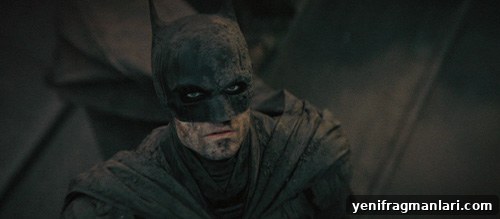
Matt Reeves’ The Batman took a deliberately noir approach, emphasizing mystery, investigation, and mood over conventional superhero spectacle. This film foregrounded the detective side of the character, delivering a brooding, rain-soaked Gotham full of moral ambiguity. Robert Pattinson’s portrayal focused on a more introspective, grief-tinged Bruce Wayne, and the film’s cinematography and production design leaned into 1970s neo-noir influences.
At nearly three hours, the movie occasionally drifts into narrative detours, but its strong visual language, measured tone, and true commitment to crime-thriller mechanics make it one of the most distinct Batman films in recent memory. The Batman stands out for re-centering the character as the world’s greatest detective and for offering a fresh cinematic interpretation.
2. Batman Begins (2005)
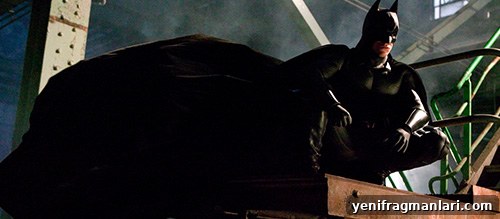
Christopher Nolan’s Batman Begins reinvented the franchise for the 21st century, presenting a mature, psychologically grounded origin story. With a strong ensemble cast and a focus on character, Nolan crafted a grounded vision that balanced realism with mythic stakes. Batman Begins emphasized fear, training, and the moral choices that lead Bruce Wayne to become Batman, delivering a compelling character study that relaunched the cinematic potential of superhero films.
While a few elements reflect its mid-2000s production era, the film’s thematic depth and thoughtful design helped set the stage for the trilogy’s later achievements. Batman Begins remains a vital, influential entry that proved superhero cinema could be serious, nuanced, and resonant.
1. The Dark Knight (2008)
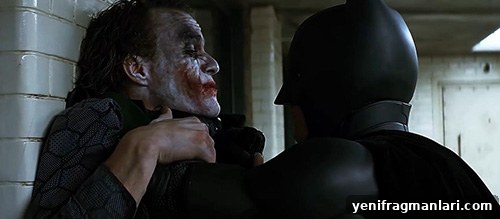
Christopher Nolan’s The Dark Knight stands as the most acclaimed live-action Batman film. Combining intense character drama, moral complexity, and technical innovation—such as extensive IMAX cinematography and a striking score—the movie elevated the superhero genre to a new level of artistry and cultural relevance. Heath Ledger’s portrayal of the Joker became a defining cinematic performance, transforming a comic book villain into a chilling, psychologically rich antagonist and earning a posthumous Academy Award.
The Dark Knight explored themes of chaos, order, and civic responsibility during a time when the world was grappling with questions about security and ideology. The film’s precise craftsmanship, ensemble performances, and thematic ambition created an enduring work that transcends genre, remaining one of the most influential and powerful blockbusters of the 21st century.
Which Batman film is your favorite? How would you order these live-action movies? Share your thoughts and consider revisiting the entries that shaped the character’s long on-screen history.