
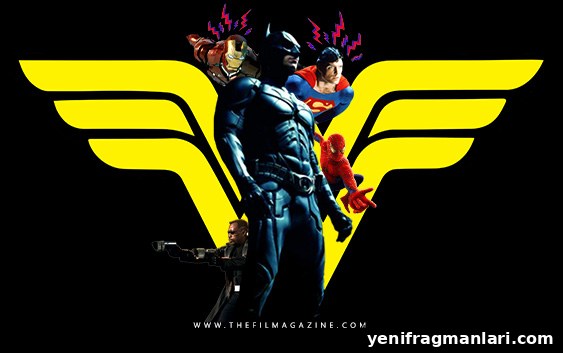
Comic book film adaptations have become the dominant form of cinematic fantasy escapism, inspiring intense devotion from audiences around the world. Much like the westerns and musicals of earlier decades, superhero movies quickly rose to the top of popular culture and have remained persistently popular. These films have generated tens of billions of dollars and now serve as studio tentpoles, uniting audiences across ages, social groups, political beliefs, nationalities and languages.
Characters such as Batman, Spider-Man and The Avengers have entered the cultural mainstream as modern icons, and studios like Marvel and DC have helped reshape Hollywood’s priorities. Their influence on filmmaking, marketing and franchise-building is undeniable. But which films were most pivotal in creating and shaping the contemporary comic book movie landscape?
Below is a curated selection of the 10 most important comic book movies ever made. These films were chosen for their impact at release, their lasting influence, and the way each helped change the genre and, in some cases, cinema itself.
1. Superman (1978)

Before 1978, superhero films were mostly limited to low-budget curiosities and campy television adaptations. Richard Donner’s Superman changed that by delivering a major studio production that treated the material with seriousness and cinematic scale. Warner Bros invested heavily, and the result showed that comic book heroes could be the centerpiece of big-budget entertainment.
Superman tapped into a cultural need for clear, uplifting heroism during a turbulent era. The film’s success established the modern superhero as a reliable box-office draw and demonstrated that cinema could offer imaginative escapism on a grand scale. Christopher Reeve’s earnest portrayal and Donner’s tone-setting direction laid down tropes and expectations that would echo through subsequent decades of comic book filmmaking.
2. Blade (1998)

Blade arrived at a moment when comic book adaptations were often uneven. This darker, R-rated action movie showcased a grounded, contemporary tone and a Black lead in a mainstream superhero role—an especially important milestone for representation in genre cinema. Wesley Snipes’ performance and the film’s gritty style made it feel closer to the modern superhero blockbuster than many earlier attempts.
Blade helped prove that comic book stories could be aimed at adult audiences and still succeed commercially. More importantly, its success encouraged studios to take bold licensing and production risks with comic book properties, ultimately paving the way for the flood of high-profile adaptations in the 2000s and beyond.
3. X-Men (2000)

X-Men introduced a thoughtful, socially resonant angle to comic book cinema. The mutants’ struggle became an allegory for civil rights and other social movements, giving the film a thematic depth beyond spectacle. Casting veteran actors alongside younger talent added gravitas and helped the movie connect with a broader audience.
Technically, X-Men proved that a team-based superhero film could work on a large scale, balancing special effects with character-driven storytelling. Its box-office success reinforced the idea that comic book narratives could explore meaningful issues while still delivering blockbuster entertainment.
4. Spider-Man (2002)

Sam Raimi’s Spider-Man was one of the first post-millennium superhero films to fully harness advancing CGI while keeping the story family-friendly and emotionally accessible. With its relatable, everyman hero and a clear moral arc—along with a blend of humor and action—the film set many precedents later amplified by the Marvel Cinematic Universe.
Spider-Man emphasized personal stakes and character sacrifices, and its commercial success demonstrated that large-scale superhero films could be both crowd-pleasing and heartfelt. Raimi’s distinct directorial voice also showed that genre filmmaking could bear a recognizable auteur’s stamp.
5. Iron Man (2008)
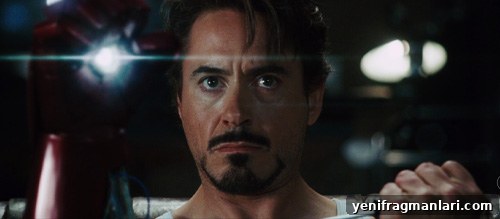
Iron Man is the film that launched the Marvel Cinematic Universe and established the playbook for interconnected franchise filmmaking. Jon Favreau and producer Kevin Feige crafted a clear, repeatable formula: charismatic leads, a hero’s journey arc, a balance of humor and action, and connective threads leading into future installments.
The movie’s success validated the studio’s plan for a shared cinematic universe and reshaped Hollywood’s approach to long-term franchise planning, making character-driven serial storytelling the industry norm.
6. The Dark Knight (2008)

Christopher Nolan’s The Dark Knight elevated the comic book adaptation into the realm of prestige filmmaking. Nolan’s director-driven approach, emphasis on practical effects (including IMAX cinematography), and a psychologically complex villain played by Heath Ledger brought serious critical attention to the genre.
The film demonstrated that superhero stories could explore mature themes and moral ambiguity without sacrificing mass appeal. Ledger’s performance in particular expanded how audiences and critics evaluated acting within blockbuster cinema and inspired future films to approach antagonists with greater depth.
7. The Avengers (2012)
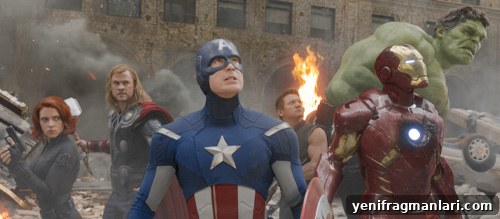
The Avengers realized the dream of a cinematic team-up on a massive scale. By combining characters who had been developed over several standalone films, it created an event movie that rewarded long-term engagement and delivered spectacle, humor and character interplay in equal measure.
The Avengers proved that audiences would embrace episodic, interconnected storytelling across multiple films. Its unprecedented box-office success cemented the viability of cinematic universes and changed how studios approach franchise-building and tentpole release strategies.
8. Wonder Woman (2017)

Wonder Woman marked a turning point for representation in big-budget filmmaking. Directed by Patty Jenkins and starring Gal Gadot, the film became the most successful woman-directed movie at the time and demonstrated that a female-led superhero picture could be both a critical and commercial success.
Released amid a renewed cultural focus on gender equality, Wonder Woman resonated for its themes of empowerment and moral courage. Its financial performance and cultural impact helped open doors for more diverse voices and perspectives in tentpole cinema.
9. Spider-Man: Into the Spider-Verse (2018)
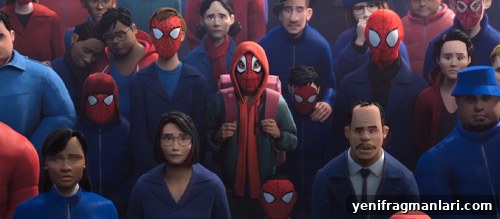
Spider-Man: Into the Spider-Verse reinvented animated superhero storytelling with an innovative visual style that mirrored comic book art. Its multiverse concept, emotional depth and inventive animation techniques created a vivid cinematic experience that both honored and expanded the Spider-Man mythos.
The film’s success demonstrated that the genre could thrive in animation and that creative risks—stylistically and narratively—could yield both critical acclaim and mainstream appeal. It inspired a fresh wave of visual experimentation across animated and live-action superhero projects.
10. Avengers: Endgame (2019)
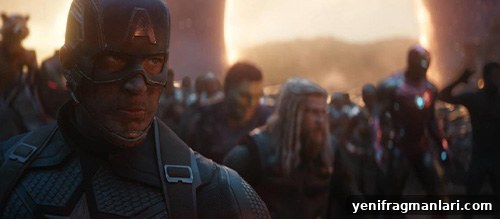
Avengers: Endgame served as the culmination of a decade of interconnected storytelling. As an emotional and visual climax to multiple character arcs, it showcased the storytelling potential of long-form franchise building. The film’s global cultural impact and extraordinary box-office success underscored how deeply these characters had entered popular consciousness.
Endgame functioned as both blockbuster spectacle and communal cultural event. It demonstrated the power of serialized character investment and became a definitive example of event cinema in the streaming era.
These ten films each helped shape the comic book movie landscape in distinct ways—technically, culturally and commercially. They influenced how studios develop properties, how directors approach the material, and how audiences respond to serialized storytelling. Which other comic book films do you consider pivotal? Consider how shifts in representation, tone and technology might reshape the next generation of essential entries in this evolving genre.