
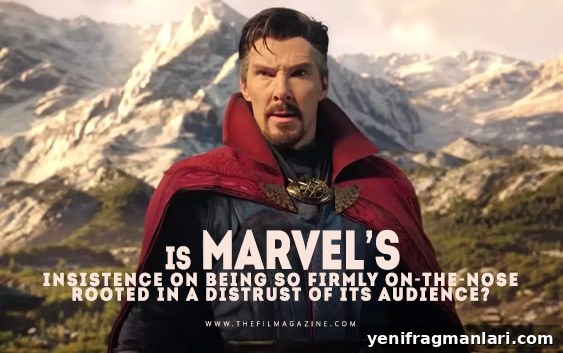
In Doctor Strange in the Multiverse of Madness, the film often relies on overt, expository dialogue that treats viewers like they need everything spelled out. Fans and casual viewers alike deserve better.
The Marvel Cinematic Universe is a dense, interconnected tapestry. Even the most devoted viewers—those who can name every character on a Marvel-edition Guess Who board—find themselves navigating a growing web of crossovers, cameos and multiversal consequences. As the franchise expands, so does the need for clarification. Fans increasingly turn to articles and videos to unpack references and plot connections. Given that context, it’s reasonable to ask for smarter, less patronising exposition in the films themselves.
That request feels especially pertinent in Marvel Studios’ latest release. Doctor Strange in the Multiverse of Madness contains moments where the script chooses blunt explanation over subtlety. Rather than trusting images, performances and well-crafted subtext to carry meaning, the screenplay often opts for explicit declarations that reduce emotional weight and undercut suspense. With the budget and visual resources available, Marvel can show far more than it tells. Yet the film repeatedly delivers lines that feel like placeholder instructions rather than finished dialogue.
Good dialogue typically does two things: it shows instead of tells, and it sounds individual—particular to the character speaking. Michael Waldron’s script, at times, does neither. Rather than distinct, idiomatic speech, parts of the film read like a collage of familiar Marvel phrases stitched together to announce what viewers are already seeing on screen. This kind of writing functions as scaffolding for story and structure, but when left unpolished the result feels unfinished. Stronger use of allusion, subtext and inference would have allowed the visuals and performances to do the heavy lifting, producing a richer cinematic experience.
Below are a few examples where the dialogue weakens rather than strengthens the film:
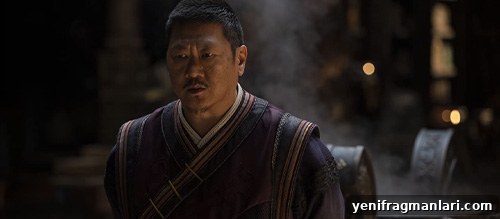
‘Kamar-Taj must now become a fortress.’
Wong utters this line after an escalating sequence in which the threat posed by Wanda is obvious to the audience. The sorcerers gather, defensive stances are taken, actions speak clearly: the place is under siege. A starker, more character-driven command—something like “Lock the gates” or even a wry complaint from Wong—would maintain tension without collapsing it into a comic-book slogan. Wong has a dry, sardonic energy in the film; giving him lines that reflect that personality would deepen character and preserve drama.
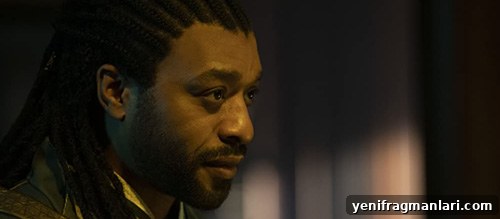
‘Come in and tell me everything about your universe’
When Strange meets a familiar face from another reality, the line he receives feels purely functional—an on-the-nose request that merely prompts exposition. A more natural option could have revealed relationship dynamics or misdirection: a teasing remark about Strange’s attire or a witty question about a small domestic detail could do the same plot work while also deepening character and creating a more believable interaction.
‘Perhaps if I can pull you from the rubble, the spell will break’
This kind of line announces the mechanics of a magical solution rather than letting the medium demonstrate it. Visual cues—cracks in a sigil, a magical pattern faltering as someone is tugged free—would convey the consequence more powerfully and avoid that uncomfortable sensation of being talked down to. Film excels at showing physical cause and effect; leaning into that strength would make the moment more cinematic and immersive.
There are other instances—short commands or ominous declarations—that feel derivative or insufficiently polished. Sometimes the film’s lines echo tone and phrasing from horror or fantasy precedents, but lack the distinctive character voice that would make such references feel earned. The cumulative effect is a number of scenes where spectacles and performances are undercut by clunky, explanatory dialogue.
Why were these lines included? Some of the choices feel deliberate. For Wanda, certain archetypal, trope-like speeches carry over from her portrayal in WandaVision and function as purposeful character signposts. Those moments of familiar phrasing work as foreshadowing and help signal her psychological state. Other lines likely serve as scaffolding to help younger viewers or newcomers follow the plot. Yet even when clarity is the goal, a film can usually rely more on image and mood than on literal statements. Doing so would reduce the “theme park” feeling critics sometimes attach to blockbuster franchises and let the story and visuals breathe.
The film’s most successful moments often come from director Sam Raimi’s embrace of horror tropes. The chase sequences, sudden bursts of violence, and macabre visual gags inject a darker energy that many fans have welcomed. Raimi’s visual instincts—Evil Dead–style shocks, inventive camera moves and physical comedy mixed with fright—deliver memorable sequences that the screenplay’s heavier-handed lines can’t fully match. When the visuals and tone align, the movie is at its strongest; when the dialogue shifts into exposition mode, the momentum stalls.
Dialogue shapes tone and can elevate or diminish a film’s impact. In this case, greater collaboration between writers, directors and visual-effects teams—along with an editorial willingness to trim explanatory lines—could help future Marvel entries trust their audiences more. Allowing actors and imagery to convey nuance would strengthen characterisation and increase emotional engagement. Doctor Strange in the Multiverse of Madness has thrilling, visually inventive moments; with cleaner, more character-specific dialogue, it could have been even more resonant.
Written by Callum McGuigan
Recommended for you: 10 Best Sam Raimi Movie Moments