
Blade Runner (1982)
Director: Ridley Scott
Screenwriters: Hampton Fancher, David Peoples
Starring: Harrison Ford, Rutger Hauer, Sean Young, Daryl Hannah, Brion James, Edward James Olmos, M. Emmet Walsh, Joe Turkel, William Sanderson, Joanna Cassidy
Blade Runner arrived amid a difficult production, mixed initial reviews, and multiple competing edits, yet it has evolved into one of the most influential films in science fiction and cyberpunk cinema. Though its near-future setting of 2019 has come and gone, the film’s power and resonance remain undiminished. Ridley Scott’s vision of a rain-drenched, neon-lit Los Angeles creates an immersive world where towering advertisements and smoky skylines blend with decaying architecture to produce a distinct sense of “high-tech, low-life.” That cityscape is not mere backdrop; it functions as a living, breathing character in the story.
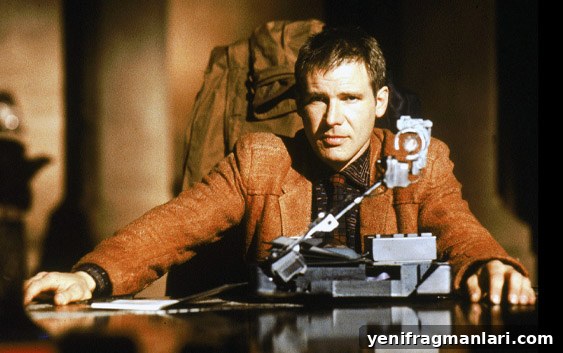
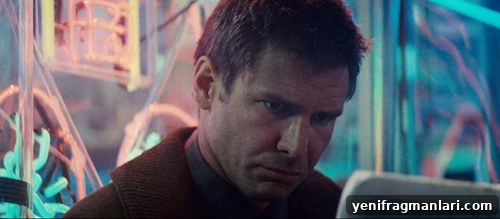
At the center of the film is Harrison Ford’s Rick Deckard, a retired Blade Runner—an officer specialized in tracking down and retiring rogue replicants, bioengineered humans designed for off-world labor. When a group of advanced replicants returns to Earth seeking more life, Deckard is reluctantly pulled back into a hunter’s role. Ford’s performance balances the detached professionalism of a seasoned detective with glimpses of vulnerability and exhaustion, grounding the film’s noir elements in emotional realism. While reports from the set suggest tension between actor and director over approach and direction, the result on screen is a layered, credible protagonist.
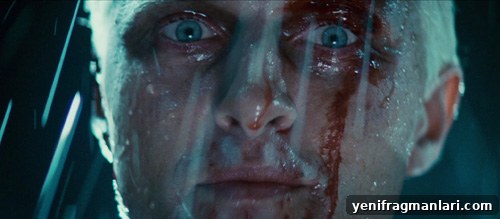
Thematically, Blade Runner explores what it means to be human. The most affecting performances come from the replicants themselves, especially Rutger Hauer’s Roy Batty. Hauer imbues Roy with an aching urgency: a desire for extended life, an awareness of mortality, and a fierce, sometimes brutal, tenderness. His journey culminates in the film’s most famous sequence—the rooftop monologue often called the “Tears in Rain” speech—where the character reflects on fleeting experiences and the inevitability of death. That moment, bolstered by Jordan Cronenweth’s evocative cinematography and Scott’s controlled direction, crystallizes the film’s central questions about memory, empathy, and the value of life.
The film’s visual design is a masterclass in practical, tactile effects. Led by futurist designer Syd Mead and realized through hands-on special effects craftsmanship, the production relied on real sets, miniatures, and in-camera techniques rather than heavy digital effects. The result is a richly textured environment: the glow of neon umbrellas, the hulking spinners that patrol the skies, and the crowded market scenes that feel lived-in and authentic. Vangelis’s atmospheric synthesizer score lends a haunting, melancholic tone that reinforces the film’s meditative pace and emotional depth.
While some viewers have criticized the film’s deliberate pacing, that rhythm is intentional: Blade Runner is less a conventional action picture and more a neo-noir philosophical drama. Its narrative borrows from detective fiction—investigations, moral ambiguity, and a murky urban underworld—while probing the human consequences of advanced technology. Action exists, but it serves the story rather than driving it. The film invites contemplation, rewarding attentive viewing with layered ideas and recurring motifs about identity, exploitation, and the ethics of artificial life.
Beyond its immediate storytelling achievements, Blade Runner has had an enormous cultural and artistic legacy. Its aesthetic has informed countless films, novels, video games, and visual artists, helping to define the cyberpunk genre. Directors, designers, and composers continue to reference its mood, production design, and soundscape as touchstones for imagining near-future urban life. The film’s multiple cuts—each offering subtle shifts in tone and interpretation—have also fueled ongoing discussion and analysis among cinephiles and scholars.
Key to the film’s sustained power is its emotional truth. Characters who are manufactured to be efficient workers nevertheless display longing, fear, tenderness, and cruelty. That juxtaposition—machines showing humanity while humans often act mechanically—creates a poignant tension throughout the narrative. With nuanced performances, immersive practical production design, and a score that lingers, Blade Runner remains a milestone in science fiction cinema and an essential experience for fans of noir-inflected, thoughtful storytelling.
Score: 24/24