
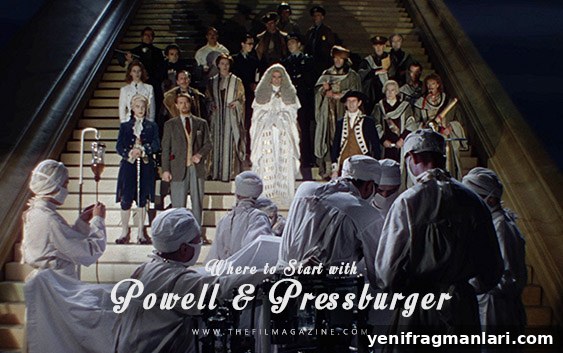
Michael Powell and Emeric Pressburger, together known as The Archers, formed one of the most distinctive and influential partnerships in mid-20th century British cinema. Their collaboration began in 1939 when an unlikely pair—Powell, an English filmmaker who had risen through practical experience in both France and the United Kingdom, and Pressburger, a Hungarian journalist-turned-screenwriter who fled Europe after the rise of Nazism—met on a film set and forged a creative bond that lasted for decades.
Like other famous creative duos, Powell and Pressburger shared responsibilities across writing, directing, producing and sometimes editing. Pressburger often originated story concepts and wrote early drafts, while Powell typically concentrated on directing, though their collaboration was fluid and collaborative. Their films combine theatricality, visual invention and a deep moral engagement that distinguishes their work from many contemporaries.
During World War II the pair produced several well-known films for British audiences. Initially contracted to make morale-boosting pieces for the Ministry of Information—examples include One of Our Aircraft Is Missing—their films increasingly made room for nuanced critiques of conflict and human folly. Their wartime work blends patriotic urgency with explicit, often unflinching reflections on the costs of war, a stance that sometimes unnerved government officials but also enriched the emotional and ethical depth of their films.
Powell and Pressburger worked according to a loose creative manifesto shared with collaborators. Two of its guiding principles remain especially striking:
- No artist believes in escapism. We have found that audiences will pay to see truth presented vividly and honestly.
- The self-respect of everyone involved in a production—from star to prop person—is shaped by the theme and purpose of the film they are making.
Over a 33-year partnership that produced 19 films, The Archers earned lasting recognition: Oscar nominations for 49th Parallel and The Red Shoes, a BAFTA Fellowship, and an enduring influence on filmmakers who followed. Michael Powell’s legacy was later honored with a namesake award for Best British Feature at the Edinburgh International Film Festival. For newcomers, their work can feel rich and varied; the three films below offer a clear introduction to their artistic range and recurring concerns.
This guide—Where to Start with Powell and Pressburger—recommends three essential films that showcase their thematic depth, visual creativity and emotional warmth. Each title reflects a different facet of their collaboration and together they form a generous introduction to The Archers’ world.
1. The Life and Death of Colonel Blimp (1943)
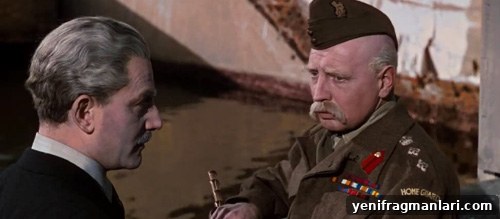
“You damned young idiot, war starts at midnight!”
The Life and Death of Colonel Blimp follows General Clive Wynne-Candy (Roger Livesey) as he reflects on a long military career and the romantic and personal relationships that have shaped his life. Central to the story is his friendship with Theo Kretschmar-Schuldorff (Anton Walbrook), a German officer, and the women they both love, all played by Deborah Kerr.
Powell and Pressburger move beyond simple wartime propaganda to craft a broad, humane meditation on honor, pride and the costs of conflict. The film presents characters who feel like altered reflections of the filmmakers themselves—an outspoken, genial Englishman and a quieter, passionate European—whose bond survives political and historical upheavals. Cinematographer Georges Périnal bathes the film in a slightly magical realist atmosphere that gives the narrative a heightened, theatrical quality, underscoring the difference between the myth of gentlemanly war and its harsher realities. The film’s candid anti-war sentiment unsettled some contemporaneous leaders but contributed to a memorable and humane cinematic portrait.
2. I Know Where I’m Going! (1945)
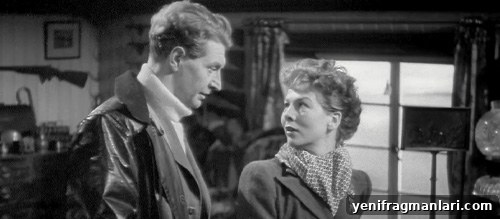
“People around here are very poor I suppose. / Not poor they just haven’t got money.”
I Know Where I’m Going! centers on Joan (Wendy Hiller), a determined woman who plans to marry a knight she barely knows and travels to the Inner Hebrides to begin a new life. Stormy weather, local eccentricities and a growing attraction to a naval officer on leave (Roger Livesey) complicate her plans.
This film blends romantic comedy with character study and lyrical landscape photography. Joan’s impatience and drive are set against the stoic rhythms of island life, and Powell and Pressburger use this contrast to explore class, privilege and what truly matters in life. The movie’s warmth, wit and memorable characters endear it to audiences while its sweeping location shots emphasize the emotional stakes between the leads. The result is a charming film about learning to accept uncertainty and the value of human connection over social ambition.
3. A Matter of Life and Death (1946)
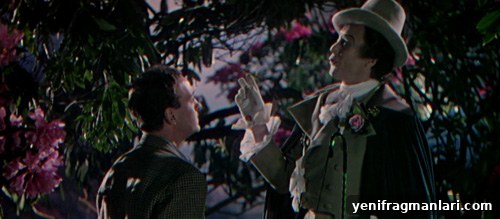
“Nothing is stronger than The Law in the Universe, but on Earth nothing is stronger than love.”
A Matter of Life and Death (released in the U.S. as Stairway to Heaven) is often considered one of Powell and Pressburger’s most affecting achievements. After RAF pilot Peter Carter (David Niven) is shot down over the English Channel, an administrative error leaves him stranded between life and death while a celestial court considers his fate. The core of the story is Peter’s love for June (Kim Hunter) and the earthly and metaphysical forces that test that love.
The film moves seamlessly between dreamy fantasy, passionate romance and a courtroom-style debate performed by an excellent ensemble. Its daring visual strategy—vivid Technicolor for the human world and stark black-and-white for the afterlife—heightens the emotional stakes and highlights Powell and Pressburger’s flair for cinematic invention. Moments such as the film’s dramatic opening sequence inside a burning bomber remain among the directors’ most powerful and meticulously staged set pieces.
Powell and Pressburger made films that balanced beauty, wit and moral seriousness. Their work combines visual daring with heartfelt storytelling, and these three films—each different in tone and scale—offer an accessible introduction to their artistic sensibilities. If these titles resonate, their wider filmography contains many more richly rewarding and influential works worth exploring.