

Spirited Away is widely regarded as one of the greatest animated films ever made. Released in Japan in 2001, it won immediate critical acclaim and remained the country’s highest-grossing film for nearly two decades. After an English-language release, the film won the Academy Award for Best Animated Feature in 2003 and was a co-recipient of the Golden Bear at the 2002 Berlin International Film Festival. In 2016, the BBC included it among the top films of the 21st century.
Written and directed by Hayao Miyazaki, Spirited Away follows ten-year-old Chihiro, who wanders into a mysterious world of spirits and magic. Forced to work in a supernatural bathhouse run by the witch Yubaba after her parents are transformed, Chihiro must find courage and resourcefulness to rescue her family and return home. The film is a powerful coming-of-age story about identity, resilience, and empathy that transcends cultural boundaries and continues to inspire filmmakers and audiences.
Two decades after its debut, Spirited Away remains emotionally resonant and visually enchanting. Below are ten of the film’s most memorable, magical, and thought-provoking moments — scenes that capture its themes, artistry, and heart.
10. Chihiro and Her Parents Go Through the Tunnel
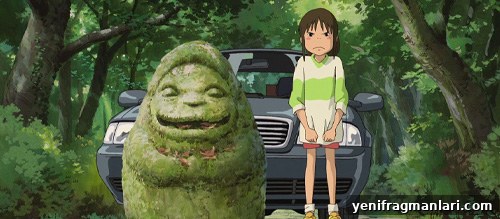
“I’m not going. It gives me the creeps.”
The film opens with an unsettling, liminal moment: the family drives down a bumpy road and stops in front of an abandoned-looking building. Chihiro is uneasy and urges them to leave, sensing that something is off. Her parents ignore her and cross through a tunnel into a place that feels both familiar and strange. The sequence establishes the story’s threshold motif — Chihiro is on the cusp of change, caught between the safety of childhood and the responsibilities she will soon face.
9. Chihiro’s Parents Turn Into Pigs
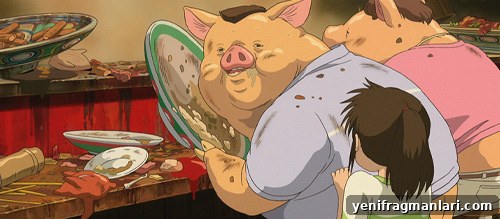
As night falls and spirits fill the village, Chihiro returns to find her parents transformed into pigs. This shocking turn forces her to fend for herself and sparks the central quest of the film. The transformation functions on multiple levels: it propels the plot, critiques greed and mindless consumption, and underscores how human flaws can be exaggerated into monstrous forms in this spirit world.
8. No Face Eats Everything
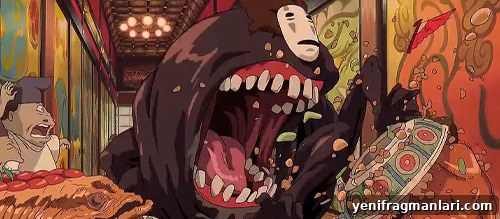
No Face’s escalation from quiet, lonely presence to ravenous entity is both unsettling and darkly comic. After being showered with gold and attention, he consumes food, gold, and even other characters, swelling into a grotesque force. The sequence is a vivid allegory for unchecked desire and the dangers of using material abundance to mask emotional emptiness.
7. Don’t Look Back
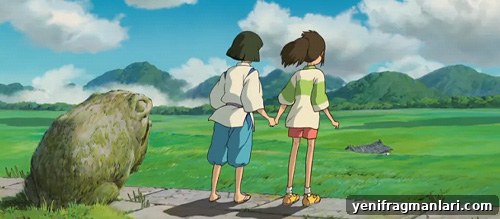
When Chihiro is finally released from Yubaba’s contract and her parents are restored, Haku warns her not to look back until she has passed completely through the tunnel. The instruction is a poignant metaphor for moving forward in life: growth requires letting go. Though she cannot look back, the lessons and relationships she carries will remain part of her, shaping the person she will become.
6. Haku Comforts Chihiro
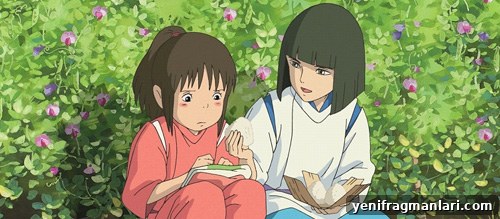
After discovering her parents transformed, Chihiro breaks down in despair. Haku responds with quiet tenderness — offering food, shelter, and a steady presence. Miyazaki’s strength is in these intimate, human moments: animation here captures subtle gestures, breathing, and the unspoken trust that forms between characters. The scene grounds the film’s fantasy in genuine emotional truth.
5. The Power of Love
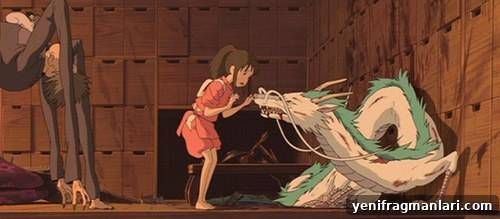
“Haku helped me before, now I want to help him.”
When Haku falls ill after stealing Zeniba’s seal, Chihiro risks everything to save him. She gives him medicine from the river spirit and volunteers to return the seal and apologize. Her courage is not heroic in an abstract sense; it is rooted in care. Chihiro’s decision to act for someone she loves highlights the film’s central moral: compassion can break cycles of harm and lead to redemption.
4. Chihiro Saves the River Spirit
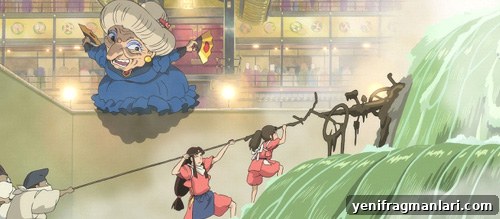
Assigned to assist a foul-smelling “stink” spirit, Chihiro discovers it is actually a polluted river spirit weighed down by debris and filth. She painstakingly pulls out a rope of garbage to free it, revealing the spirit beneath. This sequence is a clear environmental parable: neglect and pollution twist nature into something grotesque, but compassion and effort can restore balance.
3. Yubaba Gives Chihiro a Job and Takes Her Name
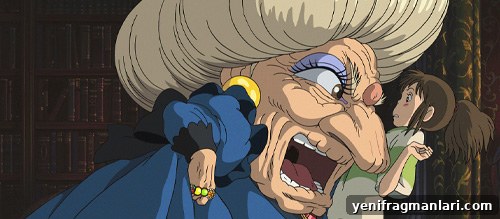
To survive in the bathhouse, Chihiro must secure work from Yubaba. In doing so she is given a new name, Sen, and effectively loses her original identity. This contract symbolizes the trials of growing up and the ways institutions can diminish individuality. Chihiro’s challenge becomes reclaiming her name and herself — a powerful metaphor for maturation and resistance to dehumanizing systems.
2. Chihiro Passes Her Final Test
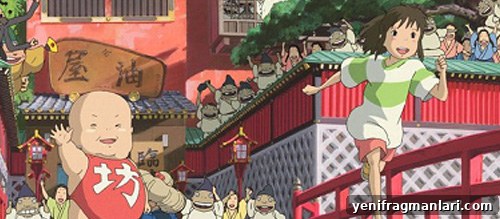
Yubaba’s final condition for Chihiro’s release is deceptively simple: identify which pigs are her parents. Instead of relying on tricks or learned skills, Chihiro trusts her intuition and recognizes that none of the presented pigs are her family. This moment demonstrates that her growth was not about acquiring new talents so much as awakening to her own inner strength and moral clarity.
1. Chihiro Remembers Haku’s Real Name
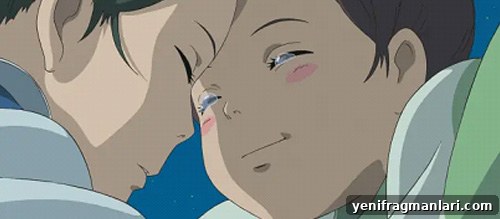
“I knew you were good!”
One of the film’s most transcendent moments arrives when Chihiro remembers Haku’s true identity as the spirit of the Kohaku River. This recollection releases Haku from Yubaba’s control and restores his true form. The sequence, both visually and emotionally uplifting, completes the story’s arc of remembrance and redemption: names and memory anchor identity, and loving recognition can redeem those who have been lost to coercion and forgetting.
Recommended for you: 10 Best Studio Ghibli Films
Written by Margaret Roarty
Which scenes from Spirited Away stand out to you? Share your favorites and reflections. The film’s combination of visual invention and emotional depth ensures it remains a touchstone for viewers of all ages.
Support the author: Twitter – @ManicMezzo · Podcast Instagram – @justmythoughtsonitpod · Podcast Twitter – @thoughtsonitpod · Listen on Anchor