
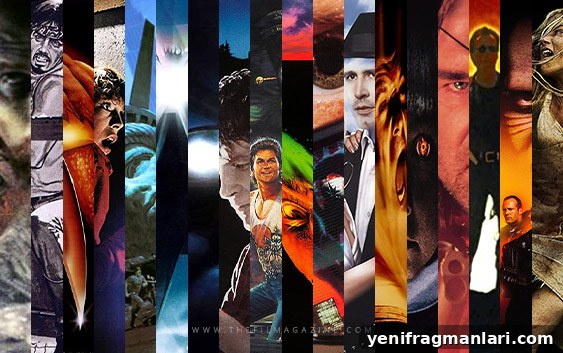
Master of Horror John Carpenter ranks among the most influential filmmakers in genre cinema. From kickstarting major horror franchises to leaving an indelible mark on pop culture with his films and unnerving synth scores, Carpenter’s career spans wildly inventive hits and a handful of missteps. Below we present a curated ranking of Carpenter’s theatrical releases, ordered from the least successful to his definitive masterpieces. Note: this list focuses on theatrical features and excludes TV projects and anthology entries.
18. The Ward (2010)

Carpenter’s most recent feature, released after a long break, is an atmospheric attempt that never quite takes hold. The Ward follows young women confined to a psychiatric facility as they confront a haunting presence. Although the premise might have felt fresh in an earlier era, the execution here lacks originality and tension. The film’s pacing and character development are thin, leaving it flat and forgettable aside from its status as Carpenter’s latest theatrical work.
17. Ghosts of Mars (2001)
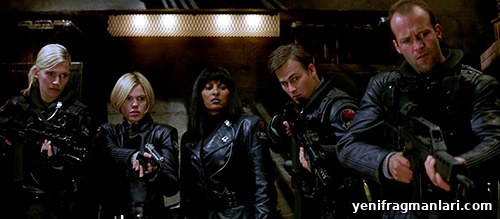
Part sci‑fi, part action western and part horror, Ghosts of Mars is eccentric to a fault. The film pits a rough ensemble—rocked by outlandish costumes and over-the-top aesthetics—against possessed miners on a Martian frontier. With inconsistent effects, a scattershot script, and characters that fail to engage, the film settles into camp more than it does convincing thrills. For viewers who enjoy intentionally wild, pulpy cinema, it may offer guilty-pleasure entertainment; as a serious Carpenter outing, it falls short.
16. Memoirs of an Invisible Man (1992)
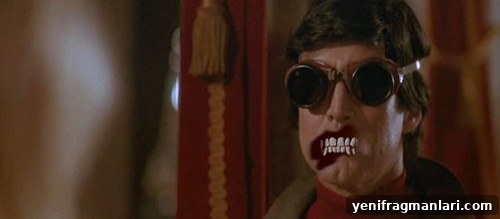
This studio project cast Chevy Chase as a man rendered invisible by a freak accident. The film blends effects-driven sequences, romantic beats, and comedic touches, but struggles under studio interference and misaligned creative direction. Though not without intriguing ideas—its take on invisibility leans toward character and situational humor—uneven tone and underdeveloped elements have left this title largely forgotten in Carpenter’s filmography.
15. Village of the Damned (1995)
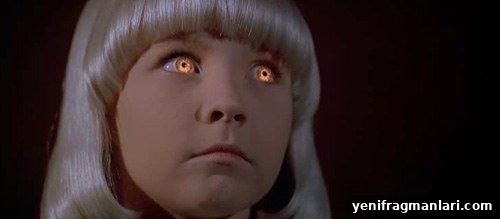
Carpenter’s remake of the John Wyndham story transplants the eerie tale of eerily gifted children to Northern California. With Christopher Reeve in the lead, the film stays faithful to the original premise but never fully captures the suspense or haunting mood of the 1960s version. It’s competently made, but the performances and child actors often lack the chilling precision required to elevate the film beyond a respectable, yet ultimately uninspired, retelling.
14. Vampires (1998)
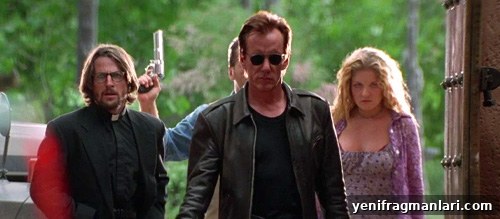
Carpenter’s entry into vampire cinema turns his sensibilities toward a bloody, western‑tinged hunt. Starring James Woods as a hard-bitten vampire slayer, Vampires delivers memorable action sequences and a strong opening, but it leans more into schlock and genre thrills than lasting thematic depth. It’s entertaining for fans of gritty, R‑rated vampire action, though it’s not among the director’s most enduring or critically lauded works.
13. Escape from L.A. (1996)
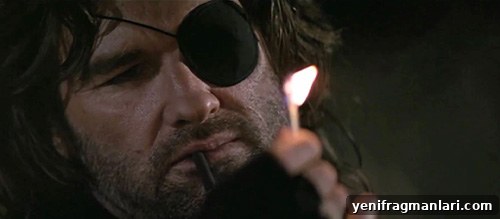
The long-awaited follow-up to Escape from New York reunites Carpenter with Kurt Russell’s antihero Snake Plissken. While the sequel retains the original’s rebellious spirit and some entertaining set pieces, it often feels too similar to its predecessor, recycling familiar beats without innovating enough. It’s a serviceable action picture with moments of fun, but it never escapes the shadow of the 1981 original.
12. Christine (1983)
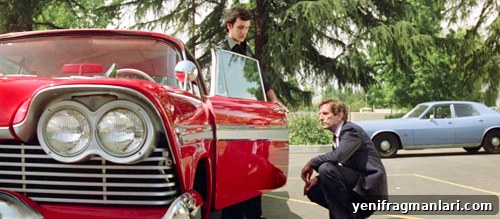
Carpenter adapts Stephen King’s story of a possessed Plymouth Fury with a confident hand. Christine charts a young man’s obsessive restoration of a classic car that seems to possess its own will. The film is a compelling blend of automotive fury and psychological deterioration, buoyed by strong directorial choices and a lively tone. While it sits near the lower end of Carpenter’s best work, Christine remains an enjoyable, atmospheric thriller that captures the macabre appeal of King’s source material.
11. Dark Star (1974)

Carpenter’s feature debut began as a student project and evolved into a low-budget comic sci‑fi that mixes absurdist humor with DIY effects. Co-written with Dan O’Bannon, Dark Star follows a dysfunctional crew on a mission to destroy rogue planets. Its charm lies in playful performances, inventive low‑budget problem solving, and an offbeat finale in which even a sentient bomb debates existence. It’s not polished, but it’s an endearing, offbeat start to Carpenter’s career.
10. Starman (1984)
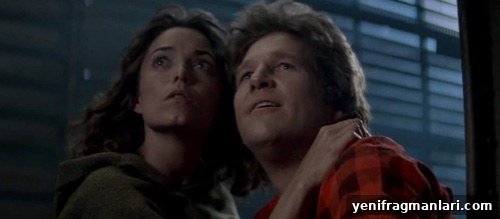
Carpenter surprises with this tender, humanistic take on an alien encounter. Jeff Bridges earned an Academy Award nomination for his portrayal of an extraterrestrial who assumes human form and forges a touching bond with a widow played by Karen Allen. Starman blends romance, wonder, and gentle humor while showcasing Carpenter’s versatility as a director beyond horror and action. It remains a quietly moving and underrated entry in his filmography.
9. Assault on Precinct 13 (1976)
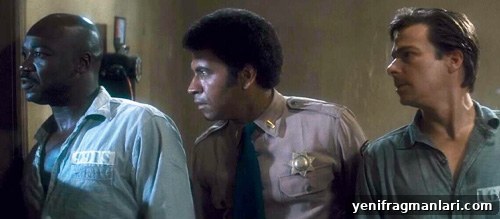
This lean, tense thriller established Carpenter’s reputation for economical storytelling and mastery of sustained suspense. A derelict police station becomes the last stand against a relentless street gang, and Carpenter squeezes maximum tension from minimal means. The film’s siege structure, austere score, and stark visuals foreshadow techniques he would refine in later works. Made on a shoestring, Assault on Precinct 13 remains a powerful, influential cult classic.
8. Prince of Darkness (1987)
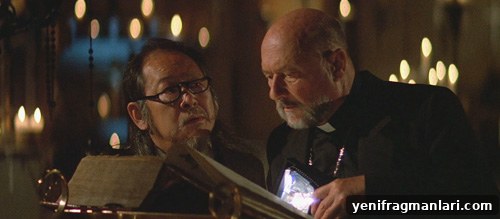
Part of an informal “Apocalypse Trilogy,” Prince of Darkness blends theological dread with scientific curiosity. When a mysterious green cylinder is uncovered beneath a church, a group of academics and clergy confront supernatural forces that blur the line between faith and physics. The film is ambitious and unsettling, delivering memorable imagery and a growing sense of menace. Although its ideas sometimes feel dense or underdeveloped, the movie’s mood and inventive set pieces make it a distinctive entry in Carpenter’s catalog.
7. Big Trouble in Little China (1986)
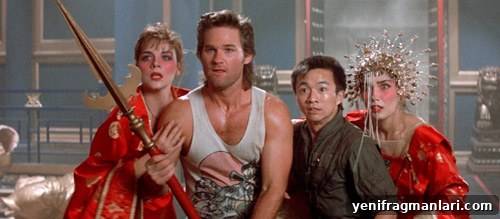
Carpenter turns to action comedy with delightful results. Kurt Russell stars as brash trucker Jack Burton, who finds himself embroiled in a supernatural battle beneath San Francisco’s Chinatown. Overflowing with manic energy, witty dialogue, and spectacularly imaginative visual flourishes—complete with sorcerers and martial arts—the film is a joyful, anarchic ride. Its playful tone and iconic one‑liners have turned it into a beloved cult favorite.
6. The Fog (1980)
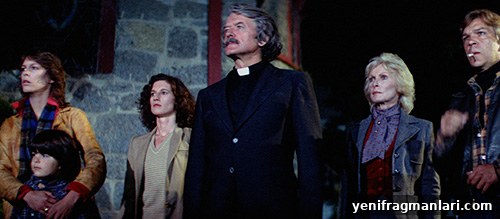
A finely tuned ghost story, The Fog reveals Carpenter’s gift for creeping atmosphere and effective, economical scares. When a coastal town’s past returns in the form of a sentient mist, the film builds dread through sound design, pacing, and a memorable score composed by Carpenter himself. The silhouettes emerging from the fog and the film’s mounting suspense make it a classic example of how suggestion and mood can outshine explicit gore.
5. In the Mouth of Madness (1994)
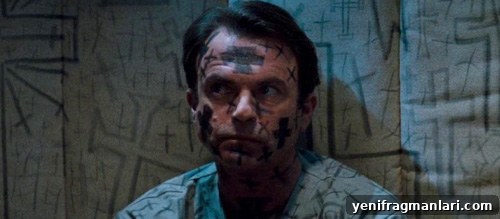
This intricate, meta horror film stands as one of Carpenter’s most imaginative later works. Sam Neill portrays an investigator drawn into a collapsing reality linked to a bestselling horror author whose books begin to manifest in the real world. Full of Lovecraftian influence, genre commentary, and escalating, hallucinatory terror, In the Mouth of Madness blends psychological breakdown and cosmic dread into a wholly original cinematic experience.
4. They Live (1988)
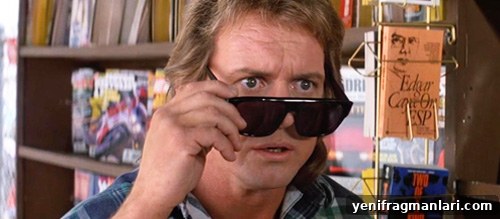
A sharp social allegory wrapped in pulpy action, They Live follows a drifter who discovers sunglasses that reveal a hidden, manipulative reality controlled by parasitic elites. Equal parts political satire and brawny set pieces, the film’s memorable imagery and quotable lines have cemented it in pop culture. It’s an entertaining, thought‑provoking fusion of genre thrills and pointed commentary.
3. Escape from New York (1981)
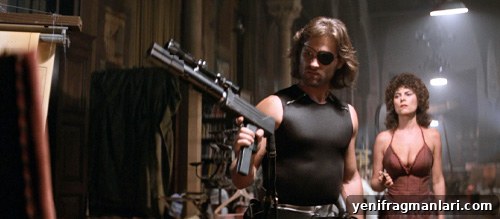
This landmark dystopian action film introduced Snake Plissken, an iconic antihero portrayed by Kurt Russell. Sent into a lawless, walled-off Manhattan to rescue the President, Snake navigates a grim, anarchic urban landscape rendered in gritty, inventive production design. Escape from New York blends taut pacing, memorable dialogue, and a strong visual identity to produce one of Carpenter’s most influential and enduring works.
2. Halloween (1978)
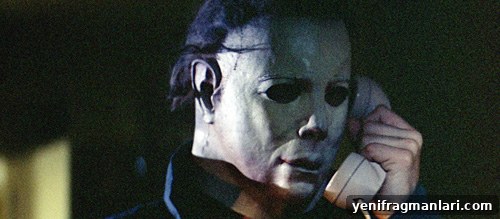
One of cinema’s most consequential horror films, Halloween pioneered the modern slasher and introduced Michael Myers as an emblem of pure, inexplicable evil. Carpenter’s direction, his chilling score, and strong performances from Jamie Lee Curtis and Donald Pleasance combine to produce relentless suspense and an enduring atmosphere of suburban dread. Halloween’s minimalist genius and cultural impact secure its place as a cornerstone of horror filmmaking.
1. The Thing (1982)
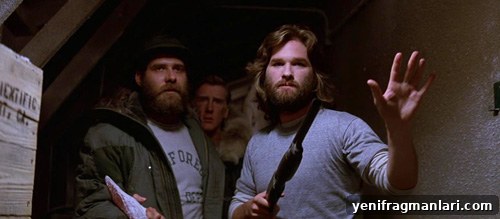
At the top of Carpenter’s list sits The Thing, a masterclass in paranoia, practical effects, and claustrophobic tension. Set at an Antarctic research station, the film pits a team of scientists and soldiers against a shape‑shifting alien that can perfectly imitate its victims. The result is an escalating nightmare of distrust and body horror, anchored by superb creature work, stark cinematography, and a bleak, unforgettable mood. The Thing remains one of the greatest sci‑fi horror films ever made and a defining moment in Carpenter’s career.
Which John Carpenter film stands out to you as his best? Share your thoughts and revisit these films to appreciate the range—from economical early features to bold, genre-defining masterpieces—that define Carpenter’s lasting legacy.
This ranking summarizes John Carpenter’s theatrical films, highlighting the director’s stylistic range and the movies that shaped his reputation in horror, science fiction, and action cinema.