
Sisu (2022)
Director: Jalmari Helander
Screenwriters: Jalmari Helander
Starring: Jorma Tommila, Aksel Hennie, Jack Doolan, Mimosa Willamo
When discussing contemporary action cinema, it’s difficult to overstate how influential films that pit a single skilled protagonist against overwhelming odds have become. The one-versus-many motif, revitalized in recent years by stylistic action films, now appears across numerous titles. Jalmari Helander’s Sisu synthesizes this modern action sensibility with the tone and storytelling of the revisionist Western to deliver a distinct cinematic experience set in Finnish Lapland during the Nazi retreat of 1944.
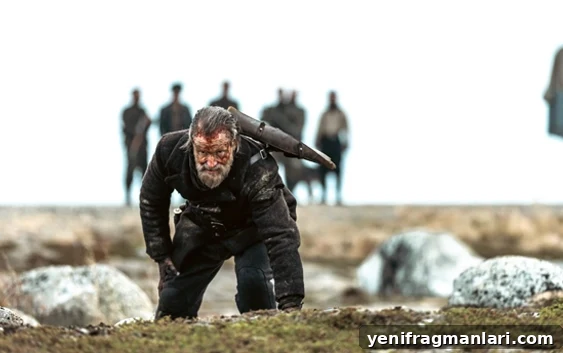
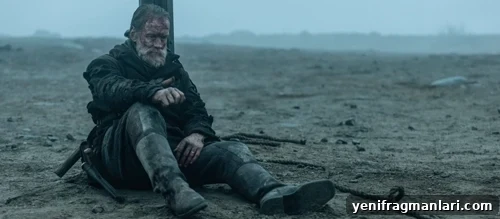
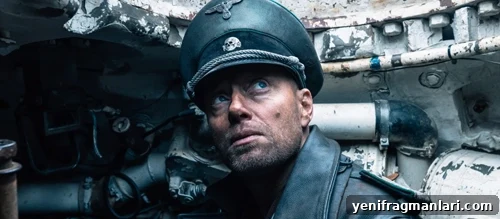
The film centers on Aatami Korpi, played by Jorma Tommila, a former commander and feared lone operative who has abandoned the front lines in search of a quiet, simple life. His newfound solitude is disrupted when he discovers a substantial stash of gold. That discovery draws the attention of a roving company of Nazi soldiers led by an uncompromising SS officer played by Aksel Hennie. What follows is a relentless pursuit: Korpi becomes the hunted and the hunter in a brutal, unrelenting gauntlet as he defends both his life and the gold he found. The film casts Korpi as an almost mythic figure, nicknamed ‘The Immortal,’ whose refusal to surrender drives the narrative forward.
Sisu wears its influences openly. From horseback sequences and expansive landscape shots to chapter titles that evoke classic Western typography and color palettes, the movie intentionally channels Western tropes while transplanting them into a stark, frozen Nordic setting. Yet beyond homage, the film cultivates a bleak, gothic atmosphere. Its tone and violence evoke literary parallels to stark, existential writers—stories defined by harsh landscapes, moral ambiguity, and the relentless will of singular characters. The result feels less like a conventional genre piece and more like a retelling of oral legend: pared down, elemental, and focused on mythic momentum rather than elaborate exposition.
Performances are a core strength. Jorma Tommila embodies Korpi with a weathered, economical intensity; every gesture and silenced line builds the character’s legend. Aksel Hennie offers a compelling foil as the SS commander, presenting menace with restrained charisma. The supporting cast, including Mimosa Willamo, contributes necessary emotional texture without overwhelming the film’s lean narrative focus. Helander’s direction favors bold, decisive imagery, using wide compositions to emphasize isolation and danger. Cinematographer Kjell Lagerroos coats the film in a moody, sometimes gothic light, making the landscape itself feel like a character—cold, indifferent, and unforgiving.
The movie does not shy away from visceral brutality. It seeks to be uncompromising in its depiction of violence: there is explicit gore, detailed prosthetics work, and practical effects that amplify the physical stakes. Makeup and practical effects teams deserve credit for making many of those moments convincingly gruesome, while the limited use of CGI rarely distracts—though a couple of sequences, such as a plane shot toward the climax, momentarily reveal digital work. Choreographed combat is largely effective; however, certain editorial decisions—tight close-ups and rapid cuts in a few fights—diminish clarity, leaving some set pieces feeling more implied than fully realized.
Sisu also asks viewers to accept a heightened level of improbability. The film’s premise depends on its central figure surviving what would normally be fatal encounters repeatedly. This kind of mythic resilience is a common trope in action cinema, yet because Sisu adopts a solemn, almost fatalistic tone without the frequent levity of other genre entries, the suspension of disbelief can be strained. Some sequences verge on the absurd in their accumulation of injuries, but the film’s myth-making intent—presenting Korpi as a near-legendary force—helps anchor this choice stylistically. Accepting that aesthetic allows one to appreciate the movie’s intent: to operate as an action-driven fable rather than a strict realist war drama.
Ultimately, Sisu succeeds as a stripped-back, atmosphere-forward action Western. It is a film that prioritizes image, momentum, and mythic characterization over elaborate plot mechanics. Its pacing and tone create a distinct sense of place and persona: a bitterly beautiful landscape inhabited by uncompromising, violent characters whose choices are raw and immediate. For viewers seeking bold, character-driven action with a revisionist Western bent and a stark Nordic palate, Sisu delivers a memorable and exhilarating cinematic ride.
Score: 19/24