
WALL-E (2008)
Director: Andrew Stanton
Screenwriters: Andrew Stanton, Jim Reardon
Starring: Ben Burtt, Elissa Knight, Jeff Garlin, John Ratzenberger, Kathy Najimy, Sigourney Weaver, Fred Willard
WALL-E is Pixar Animation Studios’ ninth feature film and was one of the biggest animated releases of 2008. With global box office earnings of just over $521 million, it did not reach the billion-dollar heights of some other Pixar titles, yet its impact on storytelling and animation has made it a modern classic. At the time of production, it was among the most expensive animated films ever made. Regardless of its budget or relative earnings, the film stands out for the strength of its visual storytelling, emotional clarity, and inventive worldbuilding.
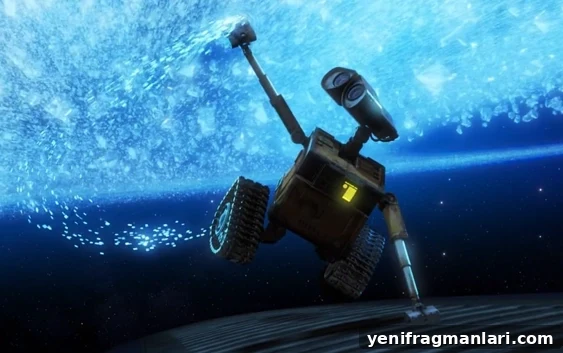
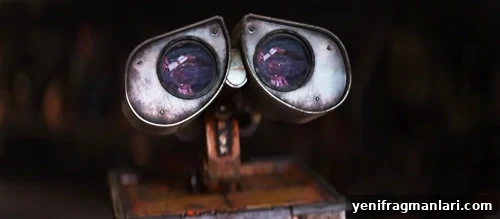
Set in a near future where Earth has been abandoned because of overwhelming waste and pollution, the story follows WALL-E, a solitary waste-collecting robot. Over centuries of duty and isolation, WALL-E has developed personality and curiosity. He collects artifacts of human life, treasures simple pleasures like old musicals, and shows a tenderness and loneliness that make him instantly sympathetic. When a sleek probe named EVE arrives on a mission to find signs of plant life, WALL-E’s world changes. His fascination becomes love, and his lonely routine becomes the start of an extraordinary adventure.
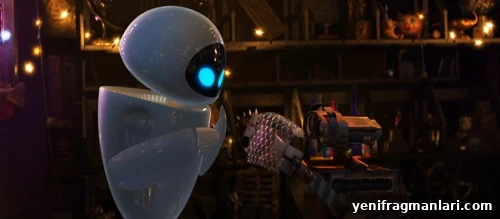
The first act of WALL-E functions almost like a silent film. Dialogue is minimal, and the story leans on slapstick, visual gags, and the power of animation to convey emotion. Ben Burtt’s vocal work and sound design give WALL-E a surprisingly human presence through mechanical noises, breaths, and expressive eye movements. EVE, conveyed with a restrained sound palette and subtle movements, becomes an emotional foil to WALL-E. The filmmakers achieved remarkable expressiveness with minimal features — a few LEDs, articulated arms, and carefully animated posture. Scenes such as WALL-E tending to a dormant EVE combine humor and tenderness in a way that feels timeless and deeply human.
One of the film’s greatest strengths is how it makes viewers invest in characters who speak little. The limited speaking cast and sparse dialogue create room for lingering moments and careful visual detail, inviting the audience to watch and feel rather than just listen. Excerpts from classic musicals that WALL-E adores are woven into the film as a nostalgic touch, reinforcing his longing for human culture without ever being overbearing. This restraint allows the movie to breathe and gives its emotional beats extra weight.
When the story moves to the starliner Axiom, the tone shifts and the scope widens. The weightless sequences draw on techniques used in previous animated films to sell motion and space, and the film balances quieter romantic moments with more conventional action and comedic set pieces. Aboard the Axiom, humanity has become dependent on technology to the point of physical and cultural stagnation. The humans drift through daily life on hovering chairs, reliant on automated systems for everything. WALL-E and EVE’s presence on the ship acts as a catalyst: their curiosity and devotion highlight what has been lost and spur others to change.
The film addresses broad, adult themes—consumerism, environmental neglect, and corporate complacency—while remaining accessible to younger viewers. It blends satire and warmth, using humor, music, and a childlike protagonist to temper its message. The filmmaking avoids feeling preachy by trusting the audience: the story lays out consequences and choices rather than lecturing, and it rewards attention to detail with small, meaningful gestures. The relative absence of heavy merchandising around the character also helps the film’s message feel more genuine and less commercialized.
Animation quality is exceptional: the environments are rich in detail, from the trash-choked streets of Earth to the gleaming interiors of the Axiom. Lighting, texture, and movement all contribute to a lived-in world that supports the characters’ emotional journeys. The sound design and musical choices are integral, adding nostalgia and pathos at precisely the right moments. Together, these elements make WALL-E both visually stunning and emotionally resonant.
Above all, WALL-E is a story about hope. It acknowledges bleak possibilities—environmental collapse, societal apathy—yet centers on connection, care, and the small acts that can inspire change. WALL-E’s simple gestures, EVE’s growing compassion, and the humans’ eventual awakening create a narrative that is at once cautionary and uplifting. The film’s combination of technical achievement, strong characterization, and thoughtful themes has secured its place as one of Pixar’s most memorable and enduring works.
Score: 22/24