
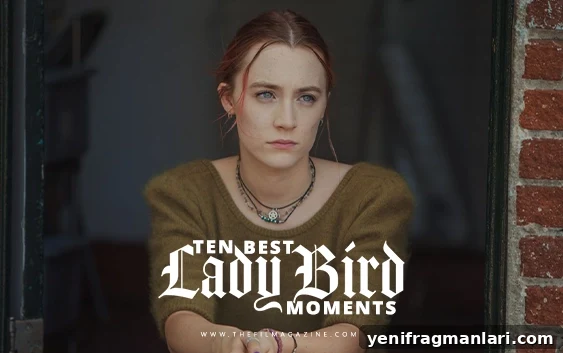
In 2017, Greta Gerwig made a striking solo directorial debut with Lady Bird, a tender coming-of-age film set in early 2000s America that follows Christine “Lady Bird” McPherson (Saoirse Ronan) through her final year of high school. The film charts her navigation of friendships, romantic yearning, and a fraught, deeply loving relationship with her mother, Marion (Laurie Metcalf).
Rooted in Gerwig’s own upbringing, Lady Bird doubles as a love letter to Sacramento, California. It captures the particular ache of realizing you love the place you grew up only after leaving it behind. Whether you attended Catholic school, spent your teenage years in community theater, or experienced long silences with your family, the film feels both specific and universal. Gerwig strikingly portrays the messy, funny, and painful moments of growing up, falling in love, and discovering your identity, while also honestly addressing the stress of financial insecurity that shapes many family dynamics.
Though Gerwig’s early career emerged from the mumblecore scene—where she co-wrote and co-directed Nights and Weekends with Joe Swanberg—Lady Bird propelled her into mainstream recognition. The film earned multiple Academy Award nominations, including Best Picture, Best Director, Best Original Screenplay, Best Actress, and Best Supporting Actress. Saoirse Ronan’s role as Lady Bird secured her a third Oscar nomination at just 23 years old, solidifying the film’s cultural and critical impact.
This list revisits ten of Lady Bird’s most memorable moments—funny, heartbreaking, and revealing—moments that illuminate character and theme while resonating with audiences. These are the 10 Best Lady Bird Moments.
10. Anytime Kyle Says “That’s hella tight.”
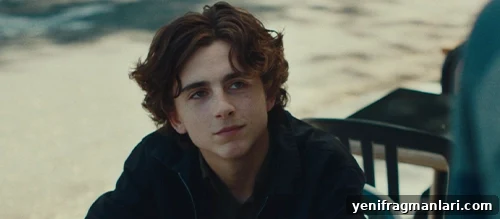
Timothée Chalamet’s Kyle becomes Lady Bird’s romantic interest after her breakup with Danny. Laid-back and slightly mysterious, Kyle’s offhand delivery of “that’s hella tight” is both deadpan and incredibly funny. It’s a small line that showcases Chalamet’s impeccable comedic timing and contributes to the film’s long shelf life of quotable moments.
9. Julie and Lady Bird Fight
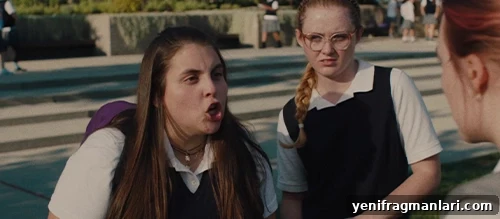
Lady Bird’s ensemble cast is consistently strong, blending seasoned performers like Laurie Metcalf and Tracey Letts with rising stars such as Lucas Hedges, Timothée Chalamet, and Beanie Feldstein. Feldstein’s Julie is shy, earnest, and deeply sincere. When Lady Bird abandons her for more popular company, Julie finally confronts her with a raw emotional outburst. The scene is both funny and poignant, illustrating how friendships shift and how teenage loyalties can be tested.
8. Marion and Larry in the Bathroom
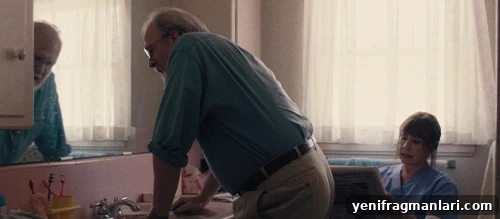
A small, domestic scene between Lady Bird’s parents—Marion and Larry—takes place while the children prepare for school. Their quiet conversation about an old friend’s death and idle jokes about their son’s relationship humanize them beyond the roles of mom and dad. That intimate, ordinary exchange deepens the characters and underscores a central strength of the film: its attention to ordinary moments that reveal real emotional complexity.
7. Marion Confronts Lady Bird About Her Room
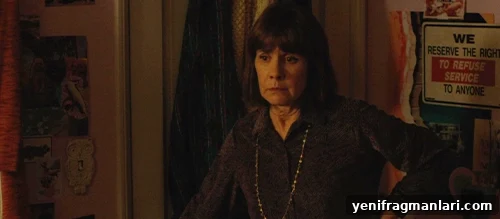
After Lady Bird returns late from the homecoming dance, Marion scolds her for not picking up her clothes—an ordinary parental complaint that quickly reveals deeper anxieties. Marion’s fear about the family’s financial instability and her husband’s recent job loss turns a household chore into a sign of dignity and respect under threat. When Lady Bird asks about Marion’s own mother, Marion’s brief disclosure—“My mom was an abusive alcoholic”—is delivered with haunted restraint. Laurie Metcalf’s performance in this scene is quietly devastating, offering backstory and emotional weight in a single moment.
6. Larry Wishes Lady Bird a Happy Birthday
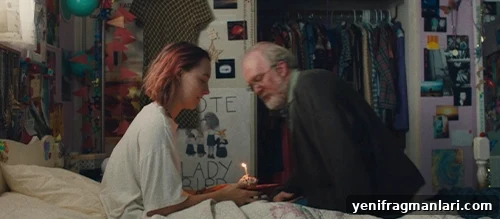
Larry’s low-key celebration—presenting Lady Bird with a single cupcake and candle on her 18th birthday—is a quiet, vulnerable moment that captures the father-daughter bond. Tracy Letts brings warmth and depth to Larry, offering a gentle counterpoint to Marion’s tougher approach. The scene is tender and genuine, reflecting the small ways love is shown in everyday life.
5. Theater Auditions
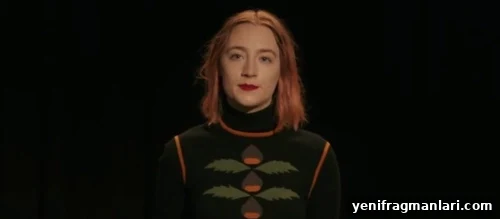
The audition sequence rings true for anyone who’s been part of high school drama. Gerwig, who has theater experience, stages the auditions with keen detail: the song choices, the exaggerated aspirations, and the awkward crushes. The scene evokes both the thrill and embarrassment of teenage performance, capturing the specificity of theater culture while highlighting universal adolescent hopes.
4. Marion Drives Back to the Airport
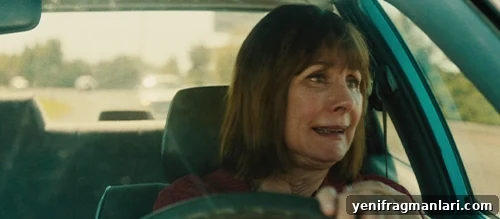
After a summer of silence, Marion drives Lady Bird to the airport but refuses to go inside. As she circles the terminal, the camera holds close to Marion’s growing panic. The breakdown that follows—frantic driving, mounting regret, and the desperate rush back to the gate only to find Lady Bird gone—is heartbreaking. Laurie Metcalf’s raw, immediate performance makes this sequence unforgettable.
3. Lady Bird’s First Sexual Experience
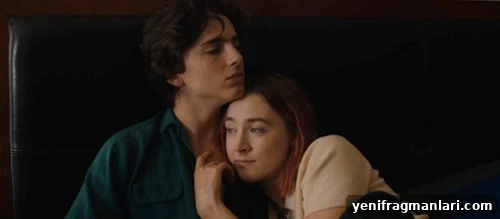
Lady Bird’s first sexual encounter with Kyle is clumsy and unexpectedly painful—literally ending in a nosebleed. The scene deflates romanticized expectations about “first times,” offering instead an awkward, human truth about adolescent intimacy. Ronan and Chalamet find a delicate balance of humor and melancholy in the sequence, underscoring how coming-of-age moments are often messy and anticlimactic.
2. Lady Bird Jumps Out of a Moving Car
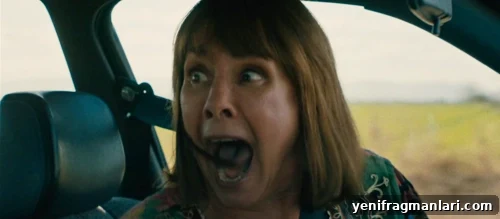
The film opens with a shockingly funny and tense moment: during a college tour drive, a heated argument with Marion provokes Lady Bird to throw herself out of the moving car. The act is outrageous and revealing, immediately establishing the film’s central mother-daughter conflict. That abrupt, fearless choice sets the tone for the rest of the story and signals Gerwig’s bold, emotionally honest storytelling.
1. Lady Bird Calls Home
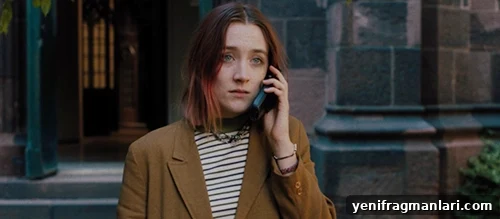
By the film’s end, Lady Bird achieves her dream: acceptance to a New York college and a move across the country. Yet the film’s final sequence is quietly reflective rather than triumphant. After a lonely night in Manhattan leads her to a church for comfort, she calls home and leaves a message: “It’s Christine,” the name her parents gave her. As she drives through Sacramento under golden sunlight, the film cross-cuts between her and Marion, revealing an achingly honest realization: she loved home in ways she only recognizes after leaving. It’s a bittersweet, resonant conclusion about identity, family, and the way distance can clarify love.
Gerwig has said that while nothing in the movie literally replayed her life, Lady Bird carries a “core of truth” that reflects the feelings of adolescence. That truth—part comic, part painful—has connected with audiences worldwide. Lady Bird stands as a definitive coming-of-age film: intimate, funny, and honest in its portrayal of the people and places that shape who we become.