

Parasite secured its place in contemporary cinema more quickly than almost any recent film. Bong Joon-ho’s darkly comic examination of class in South Korea became a global phenomenon, earning the Academy Award for Best Picture as the first non-English language film to do so, along with Best Director, Best Original Screenplay, and Best International Feature. Its success helped spark wider Western interest in Korean film and television, paving the way for titles like Squid Game to find large international audiences. Though its twists are widely known, repeated viewings reveal new layers of craft and design in Bong’s direction and the film’s structure.
Here we revisit the ten most memorable moments from Parasite, celebrating the film’s sharp social satire, dark humor, and devastating emotional impact.
Follow the discussion on social media and film sites for further insights into Bong Joon-ho’s work.
10. Min Gives Ki-woo the Rock
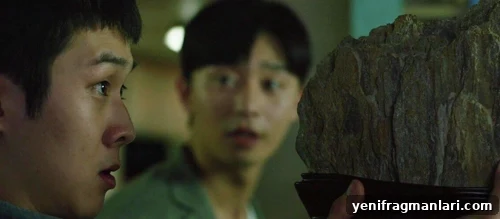
A small, seemingly innocent gift—a scholar’s rock—becomes laden with meaning for the Kim family. Min, Ki-woo’s educated friend, brings the rock and says his grandfather collects such stones; he tells Ki-woo it symbolizes future good fortune. Ki-taek analyzes the rock with a practiced air of expertise, while Ki-woo blurts, “This is so metaphorical!”
More than an object, the rock represents opportunity: Min’s visit opens the door for Ki-woo to tutor for the Park family, setting the film’s events in motion. Yet the same rock later figures into darker turns of fate, functioning as a potent symbol of both aspiration and danger.
9. Meeting Jessica
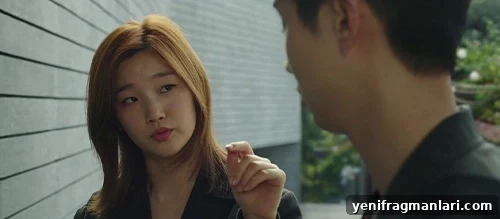
This short, charming clip—often highlighted during awards season—captures the film’s black comedy. Ki-jung arrives at the Park home to pose as an art tutor and adopts the persona of “Jessica from Chicago,” hesitantly singing a nursery-rhyme tune to sell the story. The moment is playful, absurd, and revealing.
It highlights how the siblings treat the con as a game: while they need money, they also relish the thrill of deceiving the wealthy family. Ki-jung’s improvisation—googling art therapy and winging it—underlines their resourcefulness and the performative nature of their scheme.
8. Respect
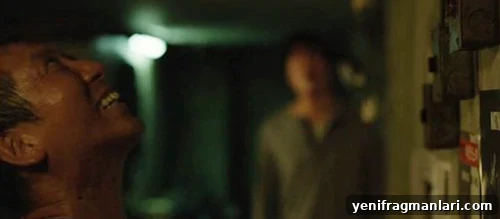
Geun Se’s reveal arrives well into the story, but each brief scene in the bunker quickly builds a full, sympathetic portrait of a man broken by isolation. His ritual of manually switching the stairs’ lights each night—acts performed out of devotion and gratitude to Mr Park—reveals both his loyalty and the extent of his unhinged solitude.
Ki-taek watches Geun Se with stunned fascination, trying to comprehend a life lived underground. That single act of devotion underscores how extreme deprivation can warp dignity and agency, and it foreshadows the catastrophic consequences that follow.
7. Ki-taek’s Letter, Ki-woo’s Plan
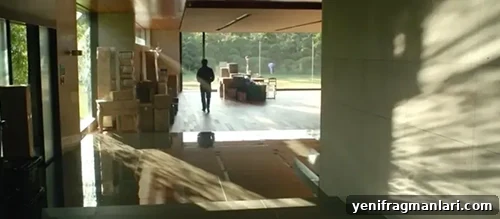
The film’s final stretch—an extended, ambiguous epilogue—offers the barest hope. Ki-woo notices Morse-code-like flashes at the Park house and realizes his father is alive and hiding where the lights blink. After reading his father’s message, Ki-woo writes a reply and imagines, in a sunlight-filled fantasy, a plan to earn enough to buy the house and reunite the family.
This sequence is presented as a hopeful, cinematic dream: vivid, almost believable, and heartbreakingly distant from the cold, cramped reality of the semi-basement where Ki-woo sits. The oscillation between fantasy and reality underscores the film’s meditation on aspiration, class mobility, and the often-unrealizable nature of dreams.
6. No Plan
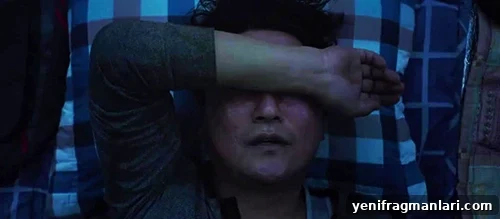
The Kims are compulsive planners—schemes layered atop schemes—but when disaster strikes, Ki-taek begins to crack. As floods ravage their home and their control unravels, he reaches a weary revelation: “You know what kind of plan never fails? No plan.”
This surrender to improvisation marks a turning point in Ki-taek’s character. Having lost control over circumstances, he becomes more impulsive, a change that helps explain his later, explosive actions at the garden party.
5. A Tense Car Ride
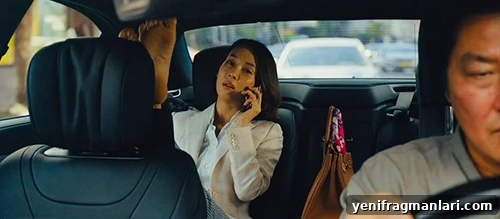
A short sequence in a car crystallizes the film’s central divide. Mr Kim follows Mrs Park as she cheerfully chats about her garden party plans, seemingly oblivious to the Kims’ recent trauma. Her casual remark—“Today the sky’s so blue, no pollution—thanks to the rain yesterday”—reveals a gulf of perspective.
For the Parks, rain is an inconvenience that clears the air; for the Kims, it destroys their home and forces them into temporary shelter. Ki-taek’s mounting frustration culminates when Mrs Park reacts to his smell by opening the window and recoiling—a small gesture that strips away any remaining illusions of equality between them.
4. What the Hell Is Ram-Don?
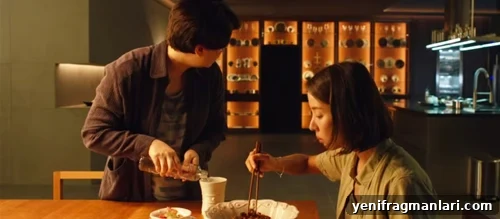
The film ramps tension masterfully in the half hour leading to the Parks’ return. A single phone call reveals the campsite is flooded and the Parks are heading home early. The Kims have barely hours to erase any trace of their presence and hide the people they’ve forced into the bunker.
A breathless montage—packed with clever camera work and quick edits such as multiple hands in the cooking shots—shows Chung Sook hurriedly preparing a dish she’s never heard of and the family frantically restoring order. The scene culminates in a sudden, shocking blow to Moon-gwang that propels the story toward its bloody climax.
3. A Garden Party to Remember
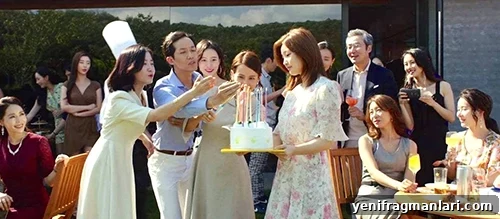
The garden party sequence is the film’s most shocking, visceral set piece. In rapid succession, violence erupts: Geun Se attacks, Chung Sook kills to protect herself and her daughter, and Ki-taek, driven by humiliation and rage, fatally stabs Mr Park after the wealthy man recoils at the smell of a wounded man. The film presents revenge, self-defense, and class-driven disgust all at once.
That so many lives are altered or ended in minutes forces the audience to confront the fragile moral boundaries between survival and atrocity. The scene redefines the film, leaving a lasting moral and emotional resonance.
2. The Staircase Reveal
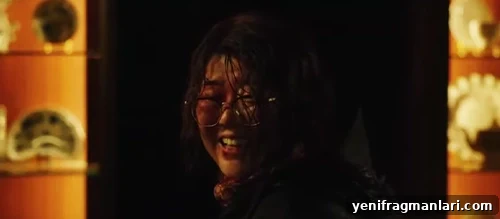
Halfway through the film the tone shifts dramatically with the discovery of a hidden bunker beneath the Park house. After Moon-gwang returns in a disheveled state and insists she must retrieve something, Chung Sook follows her downstairs. A long, continuous take reveals a hidden door and a long staircase leading to the unexpected revelation: Moon-gwang’s husband, Geun Se, has been living in tunnels under the home for years.
This sequence is exemplary filmmaking—a slow, escalating uncovering that changes everything. The bunker reveal transforms the narrative, deepening the film’s exploration of secrecy, class division, and the physical separation of lives under one roof.
1. The Peach Montage
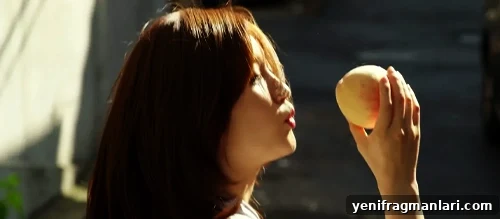
The peach montage is quietly iconic. Discovering that Moon-gwang is allergic to peaches, the Kim siblings and their mother orchestrate a plan to exploit that allergy and remove the last obstacle to their employment in the Park household. The scene is dark, clever, and darkly comic.
From Ki-jung’s sly exit from the shop with a peach to Ki-woo coaching his father through a rehearsed monologue, the sequence displays the family’s theatricality, commitment, and willingness to risk everything for advancement. It crystallizes who they are: a tight-knit unit prepared to perform deception for survival and social mobility, all underscored by Jung Jae-il’s precise, swelling score.
Written by Rehana Nurmahi
Support the author by following her work on social platforms and film communities.