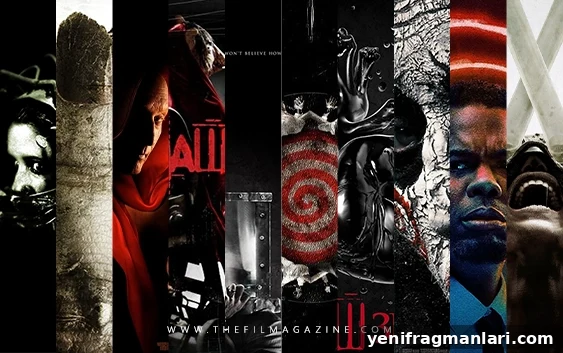
Horror franchises are often dismissed by mainstream critics, and the Saw series has faced even harsher criticism, frequently labeled as “torture porn.” Despite that, the franchise created by Leigh Whannell and James Wan in 2004 became a highly lucrative annual Halloween release for nearly a decade and remains one of the most profitable horror franchises at the American box office.
The Saw films center on John Kramer, also known as the Jigsaw Killer (Tobin Bell), a terminally ill vigilante who traps people he sees as morally corrupt and forces them to survive brutal, often grotesque tests in homemade devices. Kramer believes surviving these ordeals will lead to some form of moral redemption, even if survivors emerge physically and mentally scarred. As Kramer’s health declines, his devoted followers carry on his plans, following meticulous instructions and recorded messages he prepared in advance. The franchise became notorious for its elaborate death machines and the chilling line that often precedes each challenge: “I want to play a game.”
Seven installments were released each October from 2004 to 2010, followed by Jigsaw in 2017, Spiral in 2021, and Saw X in 2023. In the list below, every Saw film to date is ranked from worst to best, based on creativity, tension, and macabre spectacle.
10. Saw IV (2007)
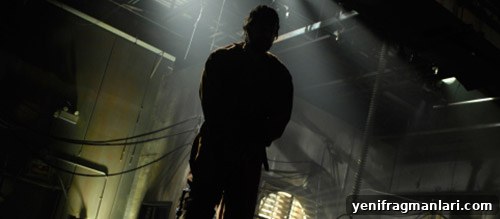
Saw IV continues the franchise’s formula of devious, grotesque games designed to punish perceived moral failings. With Kramer already dead, the film relies on flashbacks to his earlier activities, but overall it lacks clear focus. The traps remain inventive and disturbing, and they will hold the attention of viewers who can separate themselves emotionally from the gore. Yet the entry functions chiefly as a gore-driven sideshow, showcasing rubbery prosthetics and nightmarish devices without much thematic depth. Of the series, this installment most closely fits the “torture porn” label.
9. Saw: The Final Chapter / Saw 3D (2010)
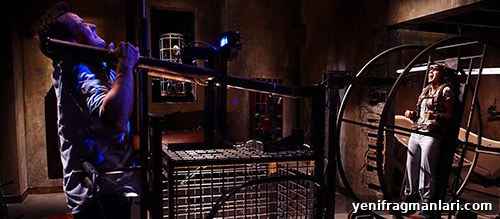
Although Saw VI was intended as the finale, studios pushed for one more entry, resulting in Saw 3D. The film leans heavily on spectacle and gimmickry, including a 3D presentation that influences lighting choices and shot composition. The series’ penchant for audacious twists continues here, culminating in a shock ending that feels more sensational than sensible. Some visual spectacle exists, but interesting ideas—such as a Jigsaw survivors’ group—are underused, and the movie largely aims for a carnival-attraction experience rather than lasting impact.
8. Saw V (2008)
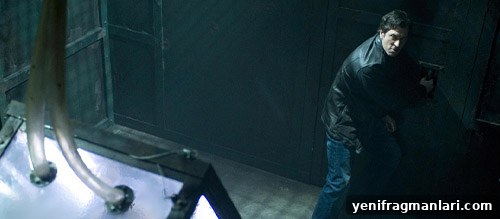
By the fifth entry, the franchise’s repetitiveness does little to dull the visceral impact of each trap. Director David Hackl gives the film an appropriately grim aesthetic and opens with a memorable “Pit and the Pendulum” sequence. The plot accelerates toward revealing Detective Hoffman as Jigsaw’s successor, but his motivations—framed as the result of a single bad day—ring thin. Tobin Bell’s flashbacks remain a highlight, adding layers to Kramer’s character. The ensemble of victims are largely unlikeable, which oddly increases the film’s entertainment value, and the finale is visually striking even if the movie itself recycles familiar beats.
7. Jigsaw (2017)
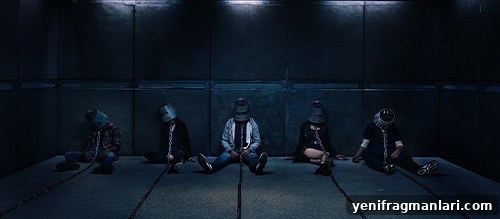
The Spierig Brothers delivered a competent revival in Jigsaw. The film returns to the franchise’s roots with callbacks for longtime fans and several new traps, such as a grain silo device that steadily fills with heavy, penetrating debris. The characters here lack strong development and the tension is uneven, but the movie offers a fresh twist on the established formula and a novel laser-collar set piece in the finale. Jigsaw works best as a serviceable continuation that adds a new angle without dramatically reinventing the series.
6. Spiral: From the Book of Saw (2021)
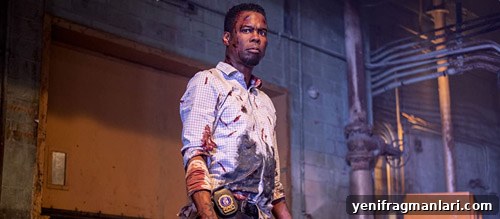
Spiral largely plays as another Saw film with a cop-thriller overlay. Chris Rock stars as Detective Zeke Banks, the son of a respected officer (portrayed by Samuel L. Jackson). The story pits Zeke against a Jigsaw copycat who targets corrupt officers, and Rock tones down his typical comedy to match the grittier tone. While the film contains franchise staples—traps, theme cues, and references to past events—its character exposition can feel clumsy, and it doesn’t significantly expand the series’ appeal beyond established fans. Still, Rock’s grounded performance and the cop procedural elements make it a relatively solid entry.
5. Saw II (2005)
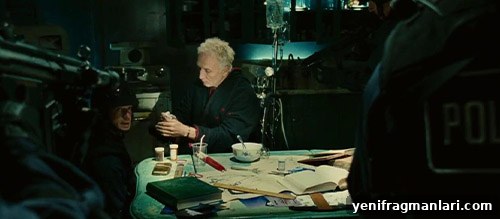
Saw II ups the scale and the gore from the original, introducing more elaborate traps, including a pit of needles designed to punish addiction. Director Darren Lynn Bousman brings a more expansive, Cube-like setup with a larger group of victims trapped together. The film introduces additional layers to John Kramer’s psychology and includes a compelling extended dialogue between Kramer and Donnie Wahlberg’s protagonist, which is sprinkled through the film to good effect. While the sequel loses some of the original’s tight plotting and suspense after its early set pieces, it remains a strong, diverting gore-fest with moments that satisfy fans of the grotesque.
4. Saw VI (2009)
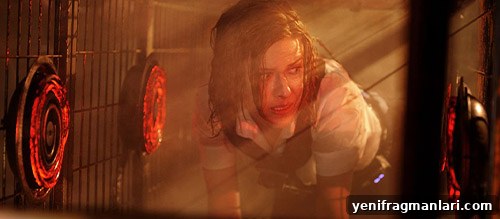
Saw VI arguably stands out visually as one of the best-looking entries in the series. Director Kevin Greutert employed careful framing and striking, hellish lighting that gave the film a more cinematic feel. The traps are among the most brutal in the franchise, and the movie carries the weight of a potential finale. Its critique of predatory health insurance practices—embodied by a central antagonist—gives the film a thread of social relevance, and while the mythology grows increasingly complex, the entry is satisfyingly entertaining in a junk-food horror sense.
3. Saw X (2023)
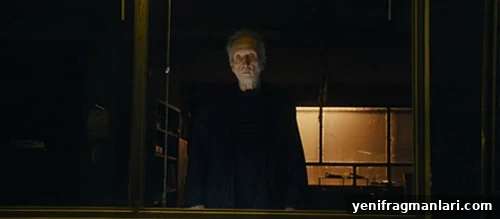
Saw X returns to a story set shortly after the first film and places John Kramer back at the center as protagonist. Reuniting Tobin Bell and Shawnee Smith, the film mixes intimate character moments with expanded scope and location. The plot follows Kramer and Amanda as they take grisly revenge on fraudulent cancer cure providers in Mexico. Though some plot mechanics demand suspension of disbelief, the film delivers the franchise’s best practical gore effects, inventive traps, and memorable performances—especially from Bell—and stands as a rewarding entry for longtime fans.
2. Saw (2004)
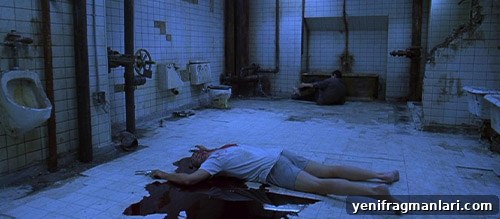
The original Saw remains a taut, clever thriller that balances mystery and sadistic violence. Written and directed by James Wan and Leigh Whannell, the film’s low-budget look only heightens its raw intensity. John Kramer’s ideology—framed as a warped logic that forces victims to confront their choices—gives the movie a chilling philosophical core. The saw functions as a symbol of perspective and revelation, with characters and viewers both piecing together partial truths. The film’s tight plotting and surprising conclusion still resonate years later, making it a high-water mark for the series.
1. Saw III (2006)
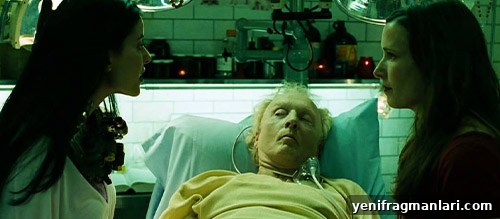
Saw III combines depraved set pieces with surprising emotional depth, and it stands as the most human entry in the franchise. The story ties the fates of a grieving father and a melancholic surgeon to the incapacitated John Kramer, whose survival becomes linked to their suffering. Tobin Bell remains a magnetic presence despite being bedridden, while Shawnee Smith’s Amanda evolves into a more unpredictable and frightening figure—less methodical than Kramer and more unhinged in her cruelty. The screenplay by Wan and Whannell closes major story arcs with satisfying resolution, and the film balances empathy, shocking traps, and strong performances to deliver the franchise’s most compelling and entertaining installment.
Have you watched all the Saw films? Do you agree with this ranking? Share your thoughts in the comments or on social media. This list was updated to include Saw X on 6 October 2023; the article was originally published 18 October 2020.