
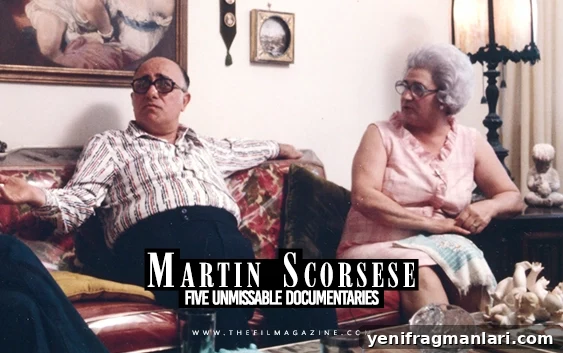
The “Mount Rushmore” rating idea — picking the very best four of anything — is a modern shorthand for ranking greatness. When it comes to film directors, arguments fly, but Martin Scorsese is a name that reliably sits near the summit. His body of work, stretching from his 1967 debut Who’s That Knocking at My Door to films across every subsequent decade, has secured his reputation as one of cinema’s definitive storytellers.
Raised as an Italian American in Queens and Little Italy, Scorsese grew up among the bustling, often rough-edged streets of New York and the vivid characters who lived there. That environment shaped his fascination with character study and moral complexity, features that continue to define both his fiction and non-fiction films.
Most audiences know Scorsese for his narratives — 27 feature films that include Taxi Driver (1976), Raging Bull (1980), Goodfellas (1990), Casino (1995), The Departed (2006) and The Wolf of Wall Street (2013). Less widely celebrated, but equally revealing of his passions, are his documentaries. Across his career he has directed numerous nonfiction films that reflect his love for cinema, music and the people who make both.
Below are five essential Martin Scorsese documentaries that showcase the range and depth of his documentary work, and that give added context to the themes and stylistic choices found in his narrative films.
1. Italianamerican (1974)
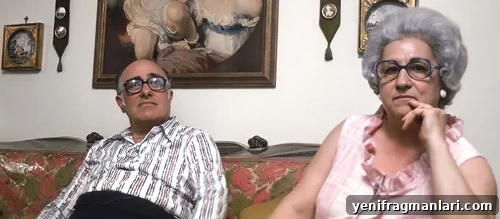
Italianamerican is a small, intimate film that offers a direct window into Scorsese’s upbringing by focusing on a conversation with his parents, Catherine and Charles, in their New York apartment. In barely fifty minutes the documentary covers family memories, the role of religion, immigrant struggles and the comforts of home. Its most memorable moment — Catherine demonstrating how she makes her celebrated meatballs — captures the warmth and authenticity that give the film its charm.
This early documentary is revealing because it foreshadows recurring themes in Scorsese’s later work: faith and doubt, loyalty and conflict, and the influence of cultural roots. The straightforward, unadorned style serves the material well, letting the personalities and stories carry the film. Italianamerican remains one of the clearest introductions to Scorsese’s personal history and creative impulses.
2. The Last Waltz (1978)
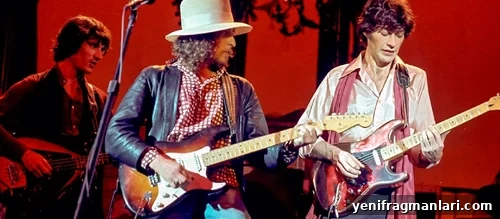
The Last Waltz documents The Band’s farewell concert at San Francisco’s Winterland Ballroom in 1976. Scorsese blends live performances, staged studio sessions and interviews, assembling a vivid portrait of the group’s music and their place in rock history. Featuring guest appearances by Bob Dylan, Neil Young, Joni Mitchell, Van Morrison and Eric Clapton, the film is designed to be experienced loudly and fully.
Scorsese’s passion for music informs every frame: he and his editors spent almost two years shaping the film’s visual and sonic identity from hours of footage. The result is often cited as one of the great concert films — a powerful example of how a director’s cinematic sensibility can elevate a live music event into a lasting cultural document.
3. My Voyage to Italy (1999)

My Voyage to Italy is a wide-ranging, affectionate survey of Italian cinema and a personal exploration of the films that influenced Scorsese. Clocking in at over four hours, the documentary traces the development of Italian film, with special attention to neorealism and filmmakers such as Roberto Rossellini, Federico Fellini and Vittorio De Sica. Scorsese revisits his old Lower East Side neighborhood and explains how these films shaped his eye and storytelling approach.
For viewers interested in the roots of Scorsese’s style, My Voyage to Italy is indispensable. It links specific cinematic moments to his later work — for instance, how Italian boxing sequences inspired Raging Bull’s rhythm and how neorealist themes resonate in Taxi Driver’s moral landscape. The film functions both as film history and as a passionate director’s testimony about the art that made him who he is.
4. No Direction Home (2005)
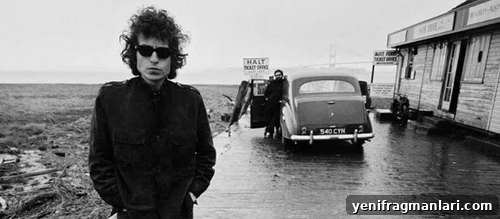
No Direction Home examines Bob Dylan’s early career from his arrival in New York in 1961 through the pivotal years up to 1966. Split into two parts and running over three hours, the documentary explores Dylan’s meteoric rise, his impact on folk and rock music, and the controversies that followed his transition to electric sound. Scorsese balances performance footage, interviews and archival material to capture both the cultural moment Dylan helped define and the enigmatic personality behind the songs.
Although Dylan largely declined to participate directly, the film draws on extensive archived interviews and materials assembled by Dylan’s manager, allowing Scorsese to craft an intricate, empathetic portrait of an artist in transformation. This documentary demonstrates Scorsese’s ability to combine musical reverence with thoughtful character study.
5. Public Speaking (2010)
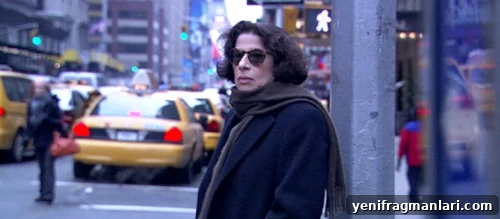
Public Speaking profiles writer and humorist Fran Lebowitz, focusing on her sharp social commentary, wit and unique perspective on urban life. The documentary combines interviews, unscripted monologues and archival footage to build a portrait of an outspoken New Yorker whose public persona and private struggles — including a long period of writer’s block — have shaped her career.
Scorsese frames Lebowitz’s observations with visual touches that echo his interest in solitary figures and urban alienation, yet the film remains a warm, often hilarious portrait of a distinctive voice. For viewers unfamiliar with her work, the documentary is an effective introduction to Lebowitz’s style and the cultural circles she inhabited in the 1970s and 1980s.
Taken together, these five documentaries reveal different facets of Martin Scorsese’s creative life: his devotion to family and heritage, his love of music, his reverence for film history, and his gift for examining singular personalities. Watching them deepens appreciation for his narrative cinema by highlighting the recurring ideas, influences and techniques that shape his storytelling.
Written by John McDonald
Support the author: My Little Film Blog, John McDonald on Muck Rack, @JohnPMcDonald17