
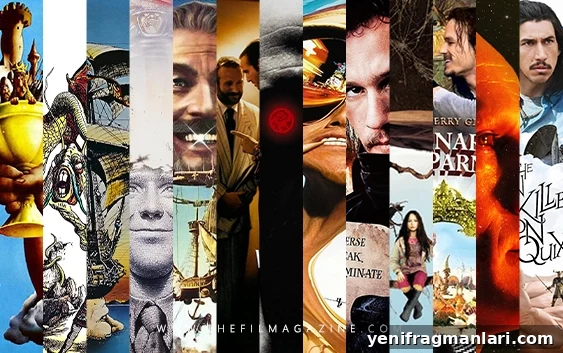
Terry Gilliam’s films are instantly recognizable: imaginative, visually bold and often wildly ambitious. That ambition can be a double-edged sword—his movies frequently brim with brilliant ideas, and sometimes the struggle to make them cohere means you walk away thinking “almost.”
Originally the eccentric animator and occasional performer in Monty Python, Gilliam went on to establish a distinctive directorial voice in both British and American cinema. He never diluted his vision, and the cost has sometimes been high: projects delayed for years, clashes with studios, and films arriving in compromised forms. Still, his filmography is unmistakably his, full of daring concepts, dark humour and striking production design.
Below is a ranked guide to all thirteen feature films Gilliam has directed, presented with concise critiques highlighting what works, what doesn’t, and why each film matters in his body of work.
13. The Brothers Grimm (2005)
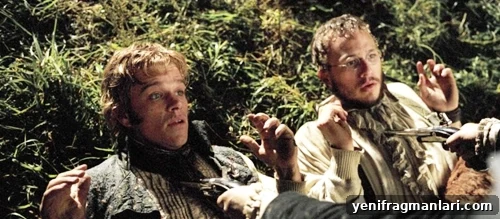
Two conman brothers, played by Heath Ledger and Matt Damon, arrive in a village cursed by supernatural forces and are forced into the roles of accidental heroes. The premise—translating the darker tone of the real Grimm stories into an adventure—promised a lot, but the finished film suffers from an uncertain tone and underdeveloped focus. Ledger and Damon bring charm, yet the movie feels muddled and uneven rather than sharply realized.
12. The Zero Theorem (2013)
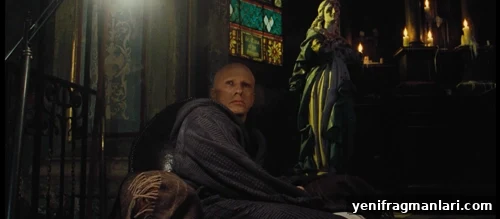
A reclusive programmer, portrayed by Christoph Waltz, is pressured by shadowy forces to prove that life has no meaning. Visually it channels Gilliam’s signature dystopian aesthetic and quirks, but the film’s emotional distance and coldness make it difficult to connect with despite a committed central performance.
11. The Man Who Killed Don Quixote (2018)
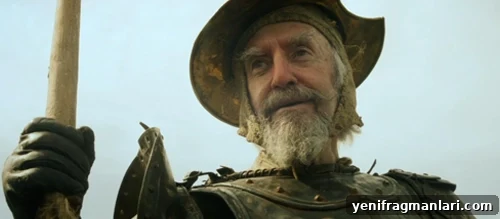
After decades in development, Gilliam’s modern take on Don Quixote finally reached screens. Adam Driver and Jonathan Pryce give strong performances, and the film contains compelling imagery, but erratic adaptation choices and an overambitious scope leave it feeling uneven. The notorious production history—documented in Lost in La Mancha—often overshadows the film itself.
10. Time Bandits (1981)
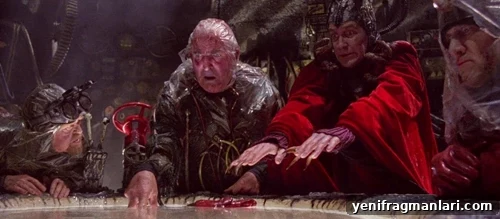
A young boy joins a gang of time-travelling dwarves on a series of fantastical adventures. Full of quirky sketches and memorable character turns—from Ian Holm to John Cleese—Time Bandits charms with its imagination, though it occasionally loses narrative momentum amid its episodic structure.
9. The Imaginarium of Doctor Parnassus (2009)
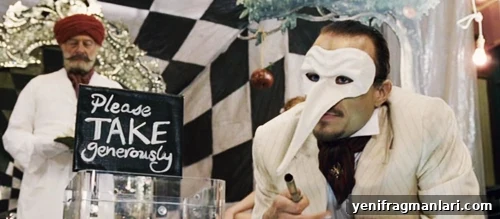
When Heath Ledger tragically died during production, Gilliam and his cast adapted the film so Ledger’s role could be completed with creative solutions. The result is a dreamlike spectacle that celebrates imagination and fantasy. The story can be slippery, but the film stands as a touching, inventive tribute to Ledger and Gilliam’s visual daring.
8. Jabberwocky (1977)
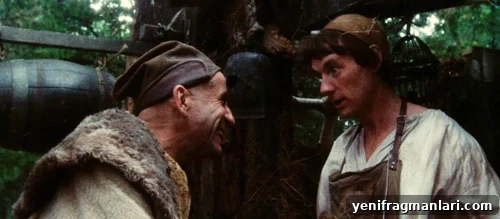
Michael Palin stars as an unsuspecting peasant tasked with confronting a terrifying monster. Jabberwocky channels Monty Python’s absurdist humour into a grim, muddy medieval satire. It’s economical and often very funny, particularly in its deadpan grotesque moments and satirical set pieces.
7. Monty Python and the Holy Grail (1975)
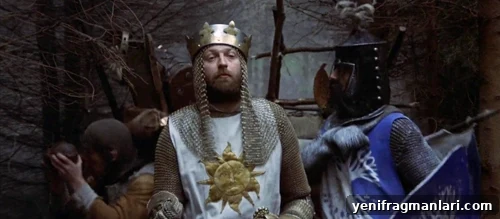
Co-directed with Terry Jones, this enduring comedy remains one of the most quotable and inventive British films. Its loose series of sketches—featuring the Black Knight, the Killer Rabbit and the Bridge of Death—combine absurdist wit with playful self-awareness. Gilliam’s visual contributions helped make the film feel cinematic despite its deliberately low-budget gags.
6. Fear and Loathing in Las Vegas (1998)

Johnny Depp and Benicio Del Toro star in Gilliam’s hallucinatory adaptation of Hunter S. Thompson’s journey through excess and dislocation. The film captures a flurry of psychedelic energy and nihilistic humour; it asks viewers to surrender to its disorienting logic rather than seek conventional clarity.
5. Tideland (2005)
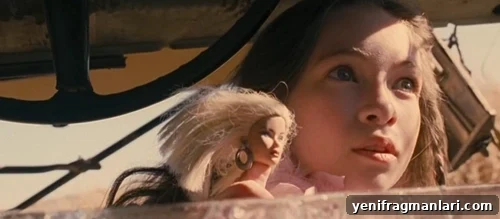
A young girl retreats into a vivid, often disturbing fantasy after the sudden deaths of her parents. Tideland is Gilliam’s darkest, most controversial film—Southern Gothic in tone, it confronts themes of grief, abuse and imagination in ways that unsettled many viewers. It’s polarizing but deeply singular.
4. The Adventures of Baron Munchausen (1988)
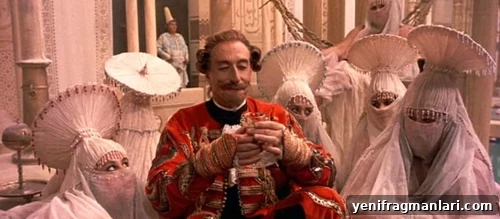
Gilliam’s lavish fever dream about an aging raconteur blends pantomime, classical art references and wild invention. The film’s vast ambition and occasionally indulgent pacing reflect its troubled production, yet its visual splendor and imaginative set pieces make it an unforgettable, eccentric epic.
3. Brazil (1985)
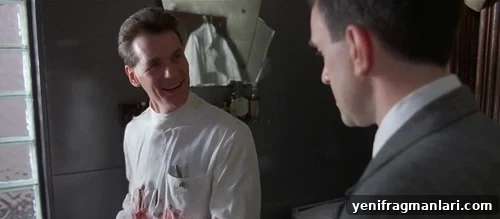
Jonathan Pryce stars as Sam Lowry, a man trapped in a nightmarish bureaucratic state. Brazil established the visual and thematic shorthand that people now call “Gilliamesque”: oppressive architecture, surreal escapes and a blackly comic critique of bureaucracy. Its poignant ambiguity—particularly around Sam’s fate—remains haunting.
2. Twelve Monkeys (1995)
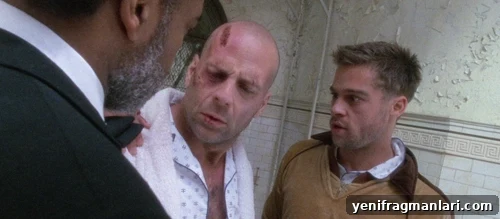
Bruce Willis plays a prisoner sent back in time to prevent a pandemic, with Brad Pitt delivering a standout supporting turn. Tighter and more conventional in structure than many of Gilliam’s works, Twelve Monkeys balances mystery, emotional depth and clever time-loop ideas, culminating in unexpected and affecting revelations.
1. The Fisher King (1991)
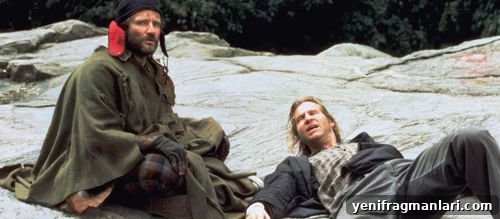
Jeff Bridges portrays a disgraced radio host who seeks redemption by helping a traumatized homeless man played by Robin Williams. The Fisher King blends Gilliam’s whimsical visual language with raw emotional depth, exploring madness, compassion and the boundary between fantasy and reality. Bridges and Williams deliver career-defining performances, and the film’s balance of empathy and fantasy makes it Gilliam’s most complete and affecting work.
Gilliam’s career reads as a catalogue of boundless imagination, stubborn persistence and frequent conflicts with practical limits. Funding setbacks, casting tragedies and production disasters have marked many of his projects, yet the films he completed are unmistakably original—flawed, occasionally overreaching, and always passionately idiosyncratic.
Which of Gilliam’s films resonates with you most? His work keeps testing the border between dream and reality; whether you cherish his best or find his failures fascinating, his films remain essential viewing for anyone drawn to cinema’s more eccentric, daring possibilities.