
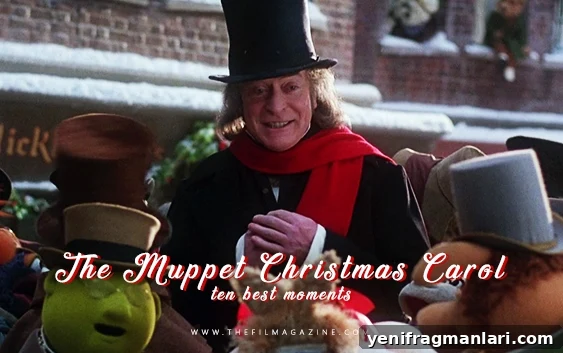
The Muppet Christmas Carol premiered in cinemas in December 1992 and initially returned modest box office results. Yet, like many holiday films that grew into classics through repeated home viewings, the arrival of VHS and later DVD cemented its place as a seasonal staple. Over the years it has become the definitive screen adaptation of Charles Dickens’ A Christmas Carol for many viewers and has even shaped how a generation remembers the story—right down to the detail of Scrooge being associated with the Marleys.
The Muppet Christmas Carol also marks a turning point in the Muppets’ history, arriving during the characters’ early collaboration with Disney. That partnership brought increased production resources while the Jim Henson Company ensured the film retained its creative heart. The result is a version of Dickens’ tale that feels both lavish and heartfelt: visually rich thanks to studio backing and emotionally resonant from the Muppets’ trademark imagination. For many fans it remains among the finest Christmas films in the Muppet canon.
In this Movie List from The Film Magazine, the film has been examined scene by scene to determine what makes it endure. Below are the 10 best moments from The Muppet Christmas Carol, chosen for their humor, emotional power and lasting charm.
Follow @thefilmagazine on X (Twitter).
10. Christmas Scat
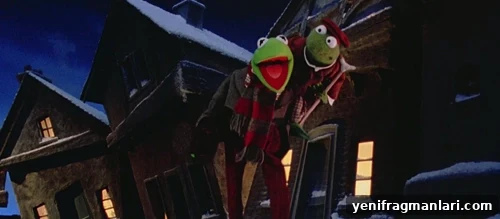
By 1992, puppet technology had advanced far beyond Jim Henson’s early homemade creations. This Muppet film broke new ground in camera work and special effects, finally enabling full-body puppet shots and removing visible puppeteers from view. That leap allowed more dynamic, immersive scenes that made the Muppets feel part of the human world.
The “Christmas Scat” moment—Bob Cratchit and Tiny Tim returning from church, singing and dancing—shows those technical gains at their best. The scene’s delicate choreography and the convincing presence of a free-standing, dancing puppet sell the magic and help children believe these characters truly exist.
Recommended for you: ‘The Muppet Christmas Carol’ at 30 – Review
9. One More Sleep ’til Christmas
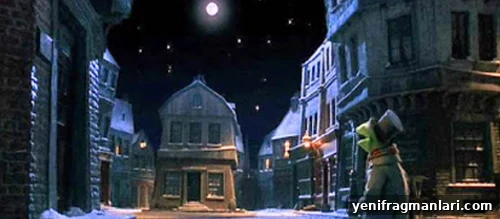
Many families watch the film on Christmas Eve because of this single song. Kermit’s joyful, anticipatory performance perfectly captures that childlike excitement for Santa’s arrival. The sequence follows an initially frightening introduction to Michael Caine’s Scrooge, so the contrast between fear and festive joy lands nicely.
The scene also carries an unexpected undertow of melancholy. As Kermit sings the final notes and a shooting star streaks across the sky, the moment becomes quietly reflective—an expression of hope and the anxieties that often accompany the season. There is added poignancy because this was the first feature where Steve Whitmire performed Kermit after Jim Henson’s passing, giving the character a tender vulnerability.
8. Bless Us All
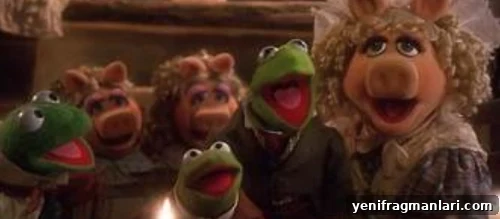
The Muppet Christmas Carol differs from other Muppet retellings by honoring Dickens’ emotional core rather than turning every scene into slapstick. While the film is often hilarious, it knows when to be serious and allows heartfelt moments to breathe.
In “Bless Us All,” Robin (Tiny Tim) leads his family in a humble, sincere hymn of gratitude. The sequence avoids sentimentality and instead offers something genuinely moving about family resilience and forgiveness. It’s a pivotal point in Scrooge’s transformation—seeing gratitude in those who have so little helps thaw his heart.
7. Feels Like Christmas
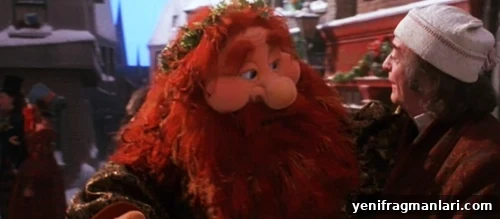
Following the unsettling visitations from the past, the Ghost of Christmas Present arrives as a warm, red-haired figure who fills the screen with generosity and cheer. His arrival brings relief and joy—moments that even coax a smile from Scrooge.
“Feels Like Christmas” contrasts sharply with the earlier, darker tone and celebrates the simple pleasures of the holiday. The sequence is earnest rather than saccharine, and it reinforces the film’s faith in love and communal warmth—qualities that help drive Scrooge’s eventual change.
6. Ghost of Christmas Yet to Come
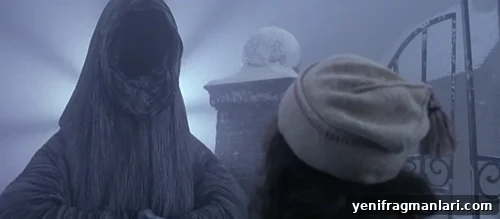
The Muppet Christmas Carol is surprisingly chilling for a film rated U, and the Ghost of Christmas Yet to Come is one of its most haunting moments. The figure is tall, hooded, faceless and mute—a classic visual that conveys dread without words.
Despite the intimidating appearance, the ghost’s gestures are gentle, guiding Scrooge rather than punishing him. The scene reframes fear of the future as fear of our own failure to live up to better ideals. It’s a solemn, effective sequence that deepens Scrooge’s introspection and moves the story toward redemption.
5. Scrooge
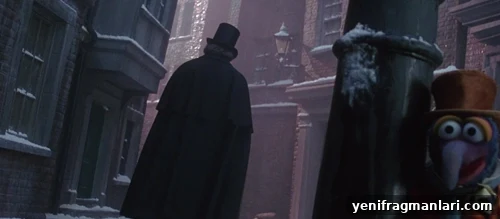
The film’s soundtrack, composed with the help of Paul Williams, is a defining strength, and the opening number “Scrooge” sets the tone perfectly. Williams blends sharp lyrical humor with somber themes, introducing Scrooge’s loneliness and cruelty in a way that feels both entertaining and revealing.
Visually, the sequence is a feast: Muppets and human extras coexist seamlessly, allowing for clever visual gags while establishing Scrooge as an oppressive figure in this Victorian world. The music and imagery together create a memorable introduction to the film’s central antagonist.
4. Marley and Marley
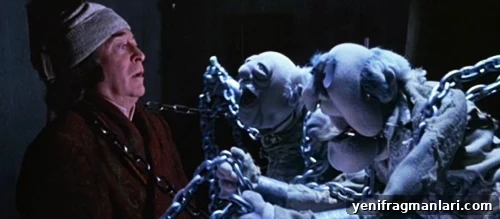
Casting Statler and Waldorf as the Marley brothers is inspired. Their curmudgeonly personalities add comic relief while delivering one of the film’s hardest-hitting moral moments. The Marleys’ condemnation of greed lands with renewed urgency decades after the film’s release, as lines about exploitation and profiteering echo contemporary concerns.
Underneath the humor and effects, the Marleys’ fate is stark: those who exploited others in life now face eternal consequences. The sequence serves as a timely, sometimes uncomfortable reminder about the costs of selfishness.
3. Moment of Redemption
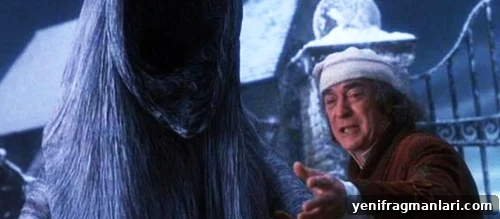
After the harrowing visions of an unloved future and the death of Tiny Tim, Scrooge stands in a graveyard and asks whose grave he has been shown. The Spirit’s silent pointing forces Scrooge to face the truth. He wipes away the snow to reveal the name:
EBENEZER SCROOGE
The sight breaks him. Michael Caine’s Scrooge becomes a different man—no longer menacing but raw and vulnerable, begging for a chance to change. This moment crystallizes the film’s emotional core: a true desire for redemption born of remorse and understanding.
2. When Love Is Gone
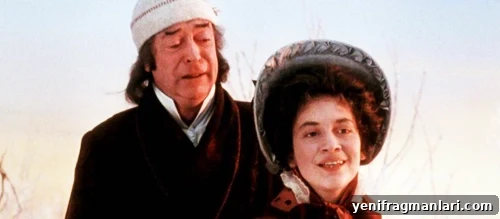
This song is contentious because it was cut and restored in various releases, but when present it is one of the film’s most potent scenes. “When Love Is Gone” shows Belle and a young Scrooge in a snowed landscape where their relationship breaks apart. Her final, pointed line—”You did once”—is crushing.
With the full sequence available on modern streaming editions, Meredith Braun’s performance provides a tender, sorrowful counterpoint to Scrooge’s hardened exterior. Seeing him falter and weep as he approaches a memory of lost love makes his later transformation believable and heartbreaking. This scene is essential to understanding how loneliness morphed into his cruelty.
1. Scrooge’s First Christmas Present
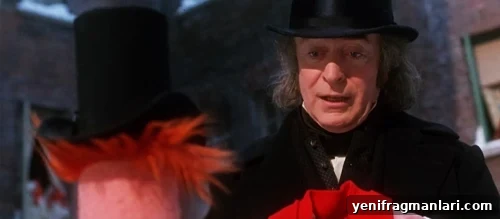
The list culminates with a quiet, definitive moment near the film’s end: Scrooge, newly changed, walks the streets ready to make amends and help those he once ignored. A gentleman representing a charity receives Scrooge’s generosity, and in a spontaneous response a humble Beaker removes his scarf and offers it as a gift.
As Scrooge tentatively accepts the scarf, it becomes clear he has never been given a Christmas present before. The simple act of receiving this small token breaks open something within him. It’s a tender, humanizing beat that completes his arc: only when he experiences joy and warmth himself is he able to give fully and freely.
The Muppet Christmas Carol endures because it balances humor and spectacle with sincere emotion. Its memorable songs, inventive puppetry and Michael Caine’s authoritative yet vulnerable Scrooge make the film a cherished holiday tradition for many. If you have favorite moments of your own, share them where you usually discuss movies and celebrate what makes this adaptation special.
Merry Christmas!