The Beekeeper (2024)
Director: David Ayer
Screenwriters: Kurt Wimmer
Starring: Jason Statham, Jeremy Irons, Josh Hutcherson, Jemma Redgrave, Emma Raver-Lampman, Bobby Naderi
A decade ago, three films reshaped mainstream action cinema: John Wick, The Equalizer and Kingsman: The Secret Service. Each set a different standard—John Wick brought a stark, mythic revenge story with stylized violence; The Equalizer offered a quiet, calculated vigilante; Kingsman reinvented spycraft with bold visual flair. Since then, countless action movies have tried to capture that same energy. The Beekeeper arrives as a new entry aimed at that lineage, featuring Jason Statham in the lead and promising a unique secret-service conceit centered around the idea of “the hive.”
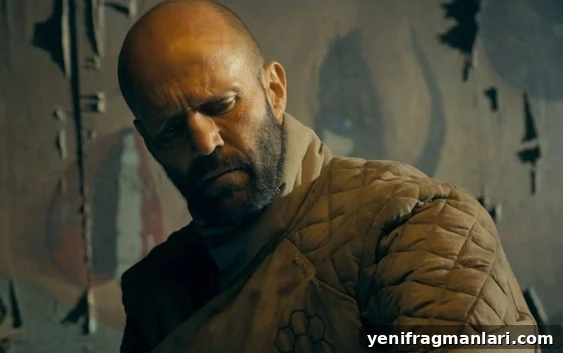
In the film, Statham plays Adam Clay, a retired operative who now keeps bees and makes honey in relative isolation. He shares his harvest with friends and the community, including an elderly woman who rents him barn space and symbolizes everything he seeks to protect: kindness, civility and quiet generosity. When this woman is defrauded out of millions through a sophisticated scam, Clay abandons his humble life and returns to the role implied by his former title—”Beekeeper”—to track down the perpetrators, recover the money and punish those responsible.
The movie leans heavily on its beekeeping metaphor, repeatedly comparing social order and institutional behavior to the structure of a hive. While a recurring motif can be effective, here it becomes overused. Clay’s speeches about protecting the hive recur so often that they lose impact, turning what could be a resonant theme into a noisy refrain. Where films like John Wick managed silence and brevity to build character, The Beekeeper frequently substitutes repetition for depth, giving Statham little to do beyond delivering variations of the same line and performing expected set pieces.
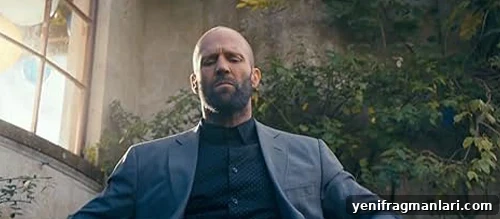
There are small merits to the film’s choice of motivation. It is refreshing to see a protagonist driven to action by a moral impulse toward an unrelated beneficiary rather than the usual familial loss. That said, the script fails to create real vulnerability or suspense around Clay. He moves through the story with near-invulnerability—an implacable force who rarely appears at risk. Action heroes who show wounds, fatigue or doubt feel more human and engaging; by contrast, Clay’s unshakable competence leaves little room for tension. The result is a very efficient lead performance in terms of physicality, but one that lacks the nuance and stakes that make vigilante stories resonate emotionally.
The film’s secret-service concept—the Beekeeper codename and its implied inner workings—is introduced with more stylistic flourish than substance. It reads as a thin device meant to distinguish the movie in marketing copy rather than a fully conceived world-building element. Films such as Kingsman used their central comparison briefly before committing to inventive action and gadgetry; The Beekeeper, however, returns to its metaphor so frequently that it becomes distracting and occasionally clumsy. Repetition and blunt metaphors blunt any potential thematic insight.
Most problematic are the final action sequences. Where earlier scenes show competent choreography, the closing half hour suffers from muddled editing and inconsistent coverage. Cameras often fail to convey spatial relationships or emotional stakes, and editing choices break the rhythm rather than build it. A strong action film needs clarity and momentum; when those elements fall away, even physically impressive performances struggle to carry the scenes. The direction in these moments feels hurried and unfocused, diminishing the impact of what should be climactic confrontations.
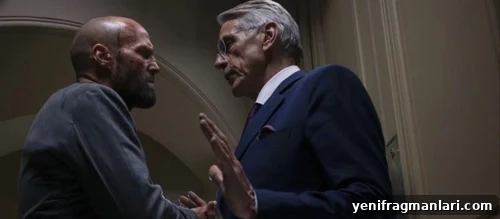
Despite these flaws, a few performances offer moments of interest. Jeremy Irons brings steadiness to his role and Jemma Redgrave provides a grounded presence that punctuates otherwise thin material. Josh Hutcherson’s supporting turn, however, feels distant and underused, contributing to a cast that occasionally seems misaligned with the film’s ambitions. The dialogue often favors blunt statements over subtle character work, leaving memorable turns in short supply.
Technically, the film alternates between effective location work and sequences that suffer from poor editorial choices. The production design and soundscape deliver occasional texture, but they cannot completely compensate for a screenplay that leans too heavily on slogans and metaphor. When a thriller tells us repeatedly how to feel instead of allowing tension and character to build organically, the emotional payoff becomes muted.
In the end, The Beekeeper struggles to match the high bar set by its genre predecessors. It delivers a few entertaining moments for fans of Statham’s physicality and some competent supporting performances, but these are not enough to overcome repetitive themes, uneven pacing and a diffuse final act. The film will find an audience among viewers seeking straightforward action, yet it falls short of offering the depth or inventiveness that would make it stand out among contemporary thrillers.
Final impressions: a respectable lead performance and a handful of solid scenes cannot fully redeem a movie that over-relies on its central metaphor and stumbles in its climactic execution.
Score: 4/24