
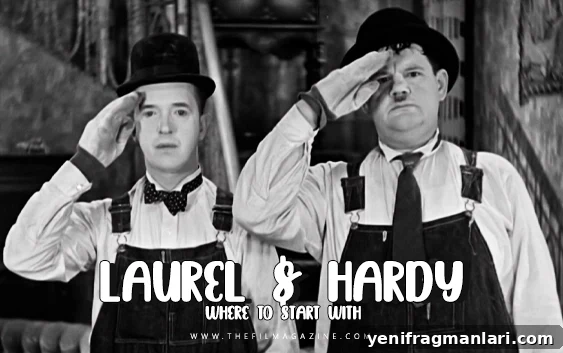
When thinking about the Golden Age of Hollywood, many immediately picture film noir, lavish musicals, or epic historical dramas. Those genres were certainly prominent thanks to the studio system and each studio’s distinct style. Yet the era’s streets were also paved with laughter. Comedians like Charlie Chaplin, Buster Keaton, the Marx Brothers—and especially Laurel & Hardy—kept cinema buoyant during hard times and often drove unexpected innovations in film comedy.
Stan Laurel and Oliver Hardy remain one of cinema’s most enduring double acts. Though they may not be as instantly recalled by every modern mainstream viewer as Chaplin or Keaton, Laurel & Hardy have an international following and cultural footprints that reach far beyond their era: their bowler hats, their plaintive glances, and iconic imagery continue to show up in popular culture. Their partnership—one of the earliest and most successful “little and large” teams—worked because they complemented each other perfectly. Each could be broad and physical or play a scene with subtle restraint, and both excelled in silent shorts and later in talkies.
Stan Laurel and Oliver Norvell Hardy combined physical stunts, clever visual jokes, and expressive facial work to create a unique comic language. They found humor both in grand pratfalls and in the smallest of gestures. Often labeled “kings of comedy” by fans and critics alike, their legacy endures through a substantial filmography—well over a hundred films that remain accessible to modern audiences.
With so many titles to choose from, deciding where to begin can be daunting. This guide highlights three essential Laurel & Hardy works that showcase the duo’s range, timing, and comic imagination: The Music Box, Sons of the Desert, and Tit for Tat.
1. The Music Box (1932)
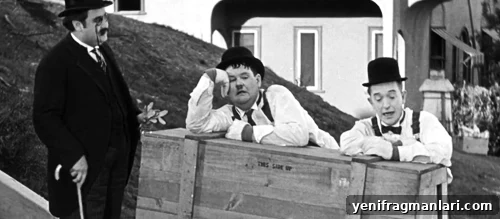
Winner of the Academy Award for Best Live Action Short Film, The Music Box stands as perhaps the most famous Laurel & Hardy short. Its central set piece—the long flight of steps often referred to as the “Music Box steps”—has become a cultural landmark visited by fans around the world. The premise is beautifully simple: Stan and Ollie are piano movers attempting to carry a piano up a seemingly endless staircase.
That minimalist concept becomes a grand comic journey thanks to the pair’s chemistry. Stan plays the meek, bumbling half of the team, often making well-intentioned but foolish choices, while Ollie assumes the role of the pompous leader who believes himself more capable and dignified. Yet Ollie’s arrogance frequently leads him into as much trouble as Stan. The short includes many trademark Laurel & Hardy moments: breaking the fourth wall, small dances and routines, and physical comedy that escalates to a joyful, painful crescendo. At roughly thirty minutes, the film never overstays its welcome; it keeps inventing fresh ways to derive laughs from the same challenge.
As an introduction to the duo, The Music Box demonstrates how a focused, clear premise and impeccable timing can yield sustained comedic payoff. It’s essential viewing for anyone discovering Laurel & Hardy for the first time.
2. Sons of the Desert (1933)
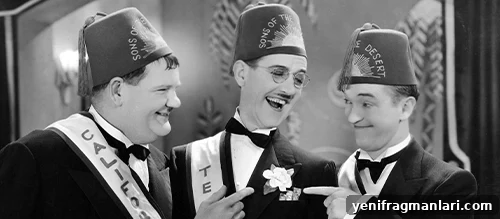
Sons of the Desert holds a special place among devotees: it even lent its name to the International Laurel & Hardy Society. The film follows Stan and Ollie as they scheme to attend a national lodge meeting in Chicago without their wives finding out—a plot that quickly spirals into a succession of comic complications.
The film’s structure resembles a string of linked short episodes, each bringing new settings, supporting characters, and gags that continually refresh the experience. That variety prevents the storyline from becoming repetitive and allows the humor to accumulate, delivering several rewarding payoffs. Though Laurel & Hardy later made more elaborate productions with bigger sets and stunts, Sons of the Desert is often regarded as the strongest feature in their catalog because it balances simplicity, character dynamics, and inventive comic situations so effectively.
If The Music Box is the perfect short to grasp their essence, Sons of the Desert is the ideal feature-length entry point. It demonstrates how the duo could sustain an hour-plus narrative without losing momentum or diminishing the quality of the jokes.
3. Tit for Tat (1935)
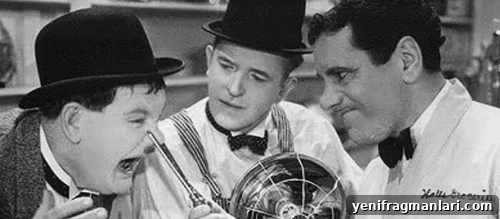
Selecting a third film to recommend can be subjective, but Tit for Tat stands out as an exemplary short that captures the pair’s rhythm and gift for escalation. This film is a direct follow-on to their earlier short Them Thar Hills, though it can be enjoyed on its own; the setup from the previous film is quickly and clearly explained through dialogue.
In Tit for Tat, Stan and Ollie run a hardware store while their antagonist, Mr. Hall, operates a grocery across the street. The rivalry between the stores becomes the source of a relentless tit-for-tat exchange, escalating from petty annoyances to elaborate and destructive retaliations. With a hardware shop and a grocery as playgrounds for mischief, the film offers endless opportunities for inventive prop-based gags and physical comedy.
At just under twenty minutes, Tit for Tat moves at a brisk pace, packing one joke after another without wasted moments. The short displays tight storytelling and some of the pair’s most energetic comic violence, making it an excellent gateway into classic black-and-white slapstick and a compact example of why Laurel & Hardy remain beloved.
Recommended reading: The Enduring Legacy of Stan and Ollie
Laurel & Hardy refined a particular comic style over decades, but they never became stale. They continually reinvented familiar routines, found new visual possibilities, and kept their performances fresh. Their names may not always be the first cited among silent-era greats, but their work has influenced generations of comedians and remains well worth discovering. As long as audiences continue to watch and share these films, Laurel & Hardy’s laughter will endure.