
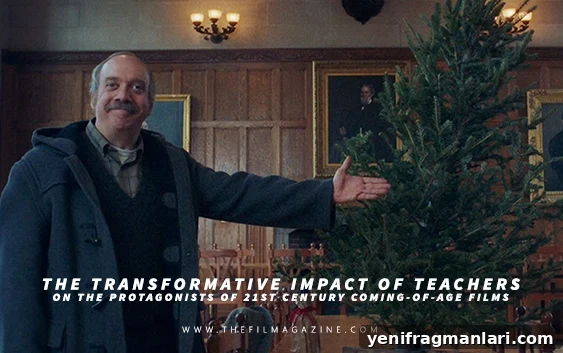
“You’re just a kid, you’re just beginning, and you’re smart.” – The Holdovers
Alexander Payne’s latest feature, The Holdovers (2023), examines the quietly powerful relationship between a curmudgeonly classics teacher at an all-boys boarding school and the troubled boy he chaperones over the Christmas break. The film traces a layered dynamic that moves from friction to mutual respect and empathy, showing how two unlikely people can transform each other’s lives. Paul Giamatti, who plays the teacher, has noted in interviews that teachers often deserve respect because they do important, selfless work—an observation that the film itself gently reinforces.
Coming-of-age films focus on the formative period when young people make choices that shape who they become. These movies resonate because they capture the urgency, confusion and hope of adolescence: the pressure of school, the volatility of family relationships and the first encounters with adult responsibility. In that context, teachers frequently appear as crucial guides. They offer structure, encouragement and perspective, sometimes saying a single sentence that helps a protagonist reframe their life or find courage to change course. Even teachers who occupy small roles on screen can catalyze profound transformations in their students.

The Holdovers tenderly explores loneliness and the idea of a “found family.” The relationship that develops between Mr. Hunham (Paul Giamatti) and Angus Tully (Dominic Sessa) becomes a quasi father-and-son bond as they reveal shared vulnerabilities and form a genuine connection. The film also allows Hunham to be transformed: his preconceptions about students from wealthier backgrounds are challenged when he learns that Angus, too, is a scholarship student. This revelation forces Hunham to reconsider his assumptions and recognize that appearances and labels can be misleading.
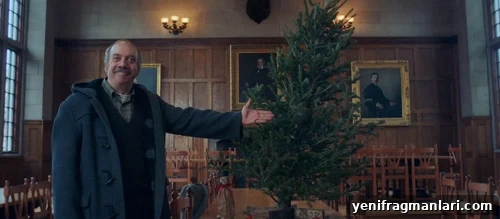
Both Hunham and Angus are isolated figures who fill voids in each other’s lives. Angus has been abandoned by his mother and lacks a father figure; Hunham gradually steps into that role by listening, defending and supporting him. In return, Angus helps Hunham loosen his rigid bitterness and find meaning beyond pleasing the school board and catering to wealthy donors. Their shared vulnerability culminates in a memorable Christmas Day scene, when Hunham finds a last-minute tree and, together with the cafeteria manager Mary (Da’Vine Joy Randolph), they create a real family moment. Angus’s admission—“I don’t think I’ve ever had a real family Christmas like this”—underscores the healing power of human connection.
Other contemporary coming-of-age films portray similar teacher-student dynamics in different tones. Woody Harrelson’s Mr. Bruner in The Edge of Seventeen (2016) shares traits with Giamatti’s Hunham: blunt honesty, an ability to respond directly to adolescent crises, and a biting humor that brings perspective to overwhelming teenage emotions. When Nadine, the film’s protagonist, faces grief and confusion after the death of her father, Bruner becomes a stabilizing presence. Like Hunham, he may be rough around the edges, but he is willing to step in when his student needs care.
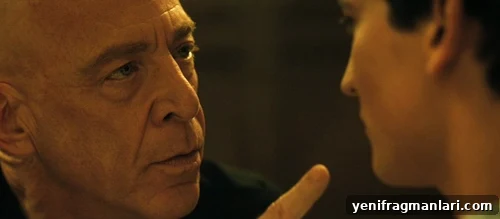
By contrast, Damien Chazelle’s Whiplash (2014) shows a darker, more conflicted version of mentorship. J.K. Simmons’s Fletcher pushes drummer Andrew (Miles Teller) to extremes—seeking to shape greatness by using fear, humiliation and relentless pressure. Fletcher claims that driving students beyond perceived limits is essential to achievement, but the film questions whether such methods justify the psychological toll inflicted on the learner. The climactic scene—Andrew returning to perform despite a serious car crash—forces viewers to ask whether sacrifice under coercion produces true artistic growth or simply destroys the student in pursuit of a mentor’s ideal.
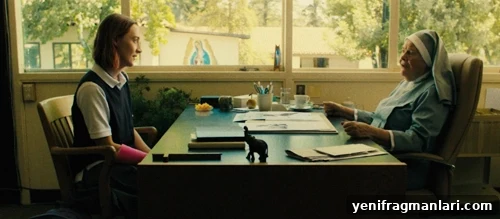
Even minor teacher characters can leave lasting marks. In Lady Bird (2017), the protagonist attends a Catholic school where Sister Sarah Joan provides a brief but vital moment of clarity. When she tells Lady Bird that “Love and attention” may be the same thing, the remark reframes the protagonist’s understanding of her tense relationship with her mother and her conflicted feelings about home. That small exchange helps set the stage for Lady Bird’s later reconciliation with memory and affection, and it underscores how a perceptive teacher can illuminate emotional truths for a struggling student.
Teachers exist to guide and uplift young people, often nudging them toward potential they may not yet recognize. In Boyhood (2014), a short exchange between Mason and his photography teacher points to how a few honest words—urging a student to work harder or to take a craft seriously—can echo through a lifetime. The teacher imagines a future telephone call decades later, when the former student thanks him for an offhand conversation about darkroom technique. That small possibility captures the subtle long-term influence a teacher can have.
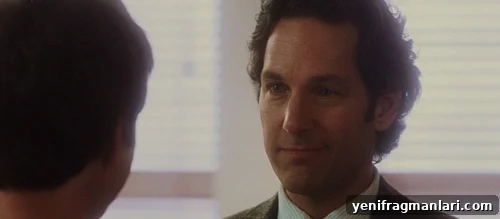
In The Perks of Being a Wallflower (2012), Charlie’s English teacher Mr. Anderson sees the shy, book-loving student who otherwise remains invisible. By offering extra reading assignments and eventually giving Charlie his favorite childhood book, Mr. Anderson provides more than academic support—he offers validation and a model of care. The gift of a book functions as a gesture of trust and emotional guidance. Similarly, in The Holdovers, Hunham gives Angus a copy of Marcus Aurelius’s Meditations, using it to teach that history and philosophy can illuminate the present and help a young person understand themselves. These deliberate, small gestures—lending a book, sharing a line of advice, showing up with a last-minute Christmas tree—are the quiet mechanics through which teachers change lives.
Film, perhaps uniquely, can elevate these everyday heroes. Teachers in coming-of-age stories often arrive at key moments to deliver insights that help protagonists feel seen and understood. Whether they are stern, comic, warm or harsh, the best screen teachers act with attention and intention: they listen, they challenge and they offer guidance that shapes a student’s passage into adulthood. The Holdovers stands out as a heartfelt testament to that influence, celebrating a teacher who listens, recognizes value in a lonely student and ultimately helps both characters find a measure of grace and belonging.
Written by Cat Searcey
You can support Cat Searcey via TikTok (@cat.s__) and Medium (blog).