
The Iron Claw (2023)
Director: Sean Durkin
Screenwriter: Sean Durkin
Starring: Zac Efron, Jeremy Allen White, Harris Dickinson, Stanley Simons, Holt McCallany, Maura Tierney, Lily James
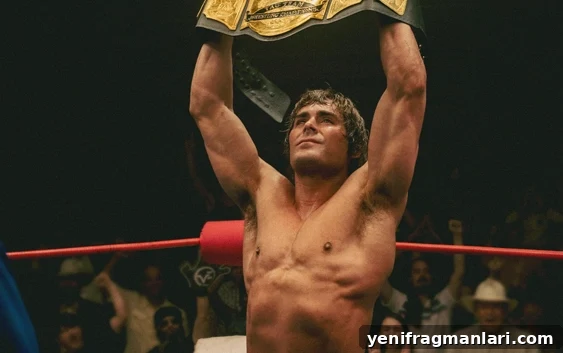
Sean Durkin’s The Iron Claw opens with a striking, intimate image: Zac Efron rising from bed, every muscle, vein and scar revealed in close-up. That first glimpse is not simply about physical transformation; it immediately communicates the film’s central idea that professional wrestling is a discipline equal to any demanding art form. This is a story about the cost of devotion—the sacrifices of body, mind and time required to live that world.
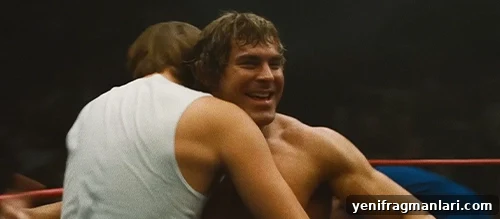
The film dramatizes the tragic true story of the Von Erich family, focusing on Kevin Von Erich (Zac Efron) and his brothers David (Harris Dickinson), Kerry (Jeremy Allen White) and Mike (Stanley Simons). Their father, Fritz (Holt McCallany), a retired wrestler turned patriarch, exerts enormous pressure on his sons to succeed in the ring. Durkin uses the family’s real-life struggles to explore how ambition, expectation and grief can shape lives, sometimes with devastating consequences.
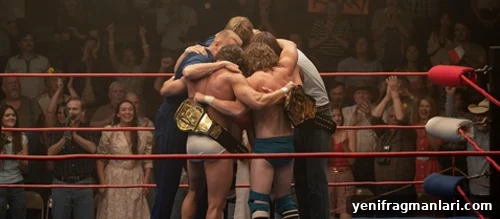
The title refers to Fritz Von Erich’s signature hold, a one-handed submission that leaves opponents trapped in a vice-like grip. Durkin extends that image as a metaphor for the family dynamic: the sons are held in a psychological and emotional vice of expectation and legacy. That central metaphor runs throughout the film and informs its quieter, more devastating moments.
Durkin resists the familiar sports-drama tropes of triumphant montages and feel-good payoffs. Even when the wrestling scenes are staged with cinematic flair—the tight framing, controlled color palette and judicious cuts emphasize impact rather than spectacle—the ring is shown as a place of pain and risk, not glamour. Durkin’s intention is clear: he does not glorify suffering, but he insists we understand the brutal reality behind the performance.
Visually, the film leans into a sober, artful aesthetic. Cinematographer Mátyás Erdély creates a look that feels both intimate and restrained, letting faces and gestures carry emotional weight rather than relying on flashy camera moves. The production design and costumes ground the story in its period without indulging in nostalgia; the past is lived and felt, not romanticized.
Sound and music play a carefully considered role. The original song “Live That Way Forever” and an evocative score complement the drama without overwhelming it, helping themes and motifs evolve as the story unfolds. Sound design supports the physicality of the wrestling sequences and the quieter family scenes alike, creating a soundscape that lingers after the credits.
At the center of the film is Zac Efron’s performance. He offers a layered portrayal of Kevin—equal parts earnestness and strain—conveying hope and vulnerability through subtle expression. The ensemble cast performs strongly: Harris Dickinson, Jeremy Allen White and Stanley Simons bring depth to the sibling relationships, while Holt McCallany’s Fritz is an imposing, complicated figure whose influence is felt in every scene.
Durkin’s screenplay keeps the family’s truth at the center. Rather than sensationalize, the film presents a humane, empathetic portrait of people caught between devotion and destiny. It’s a movie that asks the audience to reckon with loss and loyalty, and it does so with restraint and emotional clarity.
For viewers interested in films about performers and the cost of fame, The Iron Claw offers a powerful, affecting experience. Its combination of careful direction, committed acting and strong technical work makes it a standout drama about a largely overlooked corner of performance culture. The film’s final moments stay with you: it aims to move you, and for many viewers it will.
Score: 20/24
⭐️⭐️⭐️⭐️
Rating: 4 out of 5.