


Shaft (1971): A Defining Film of a Controversial Era
Released in 1971 and directed by Gordon Parks, Shaft arrived at a critical moment for MGM. Made on a modest $500,000 budget and initially rolled out in a selective release over the Independence Day weekend, the film exceeded expectations and became a sleeper hit. Its surprising commercial success—grossing millions at the box office—helped revive studio fortunes and marked the mainstream debut of a new cinematic style that would soon be labeled Blaxploitation.
Blaxploitation films were a distinct phenomenon of the early 1970s: mid-budget studio pictures targeted primarily at Black audiences. They frequently showcased emerging Black stars and memorable soundtracks, marrying bold style with urban storytelling. Shaft stands as one of the most influential early examples, blending cinematic swagger with social commentary and a soundtrack that quickly became iconic.
The Character of John Shaft
At the center of the film is John Shaft, played by Richard Roundtree. The character drew partly on the flashy, self-assured qualities associated with figures like James Bond while retaining the grit of crime noir. Shaft is hard-edged, witty, and unapologetically masculine—a private detective who moves through dangerous urban spaces with confidence and a steady moral focus. Tasked with investigating a kidnapping, Shaft navigates tense encounters with criminals, Black militants, and white police officers, using a mix of force, intelligence, and charm.
Much of Shaft’s appeal rests on his portrayal as a decisive, heroic figure. His violence is framed in service of justice—used to protect victims and bring criminals to account—and his sexuality is depicted as an expression of masculine vigor. These elements contributed to the “strong Black man” image that Shaft exemplifies, even as some aspects of his portrayal overlap with older, problematic stereotypes of hypersexualized Black masculinity. The film complicates these readings by also showing Shaft as compassionate and humane in moments of quiet interaction, such as when he speaks kindly to a gay bartender or shows concern for the poor and homeless.
Race, Representation, and Authorship
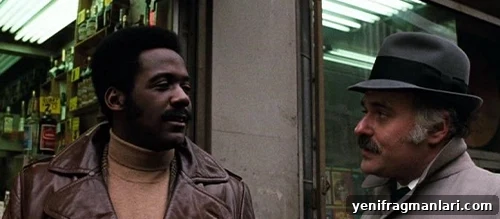
Critics have noted that Shaft’s creation involved significant input from white writers and producers, leading some to argue that the character is partly a product of white imagination. Within the film, Shaft’s relationships with other Black characters reveal complicated dynamics. His clashes with Black nationalist militants are abrasive, reflecting ideological tensions of the period. He exchanges sharp words with men in the community, while his interactions with Black women often emphasize flirtation and sexual chemistry.
In contrast, Shaft’s relationship with white law enforcement figures unfolds differently. He engages with the white detective Lieutenant Androzzi in a tone that mixes professional familiarity and mutual reliance, treating him as a backup partner and equal colleague. These contrasting portrayals raise questions about loyalty, identity, and the film’s positioning between black urban life and the structures of white authority.
Gender and Interracial Dynamics
Shaft reflects the shifting attitudes toward gender and sexuality in the early 1970s, but it does so imperfectly. Female characters are frequently depicted as damsels in distress or as sexual conquests, with limited narrative agency. Shaft’s steady girlfriend provides a glimpse of domestic stability and emotional depth in his life, yet his numerous affairs highlight the film’s prioritization of masculine freedom and sexual potency as markers of identity.
A notable scene involves a brief interracial encounter that was bold for its moment. The depiction resists simplistic fears of an aggressively pursuing Black male stereotype by framing the white woman as the initiator and by ending the liaison without romantic follow-through. While this moment challenged prevailing taboos around interracial sexuality, it also participates in a misogynistic framing that centers male control and dismisses women’s autonomy.
Legacy and Cultural Impact
Despite its controversies and imperfections, Shaft remains a landmark of 1970s American cinema. It crystallized an image of Black masculinity that was powerful, assertive, and visible during a time when Black communities were still fighting for full recognition and equal treatment. The film’s style, music, and central performance helped launch a wave of similar films and left a lasting imprint on popular culture.
Shaft continues to invite discussion and reinterpretation. As a work of entertainment, it offers a compelling, fast-moving story with memorable music and cinematic confidence. As a cultural artifact, it prompts audiences to examine evolving notions of race, gender, and power in American film. Its mixture of thrills and social provocation ensures its place as both a cult favorite and a subject of scholarly debate, long after its initial release.
Written by Juahl Ganaway
You can support Juahl Ganaway via Instagram @p.d.juahl.