
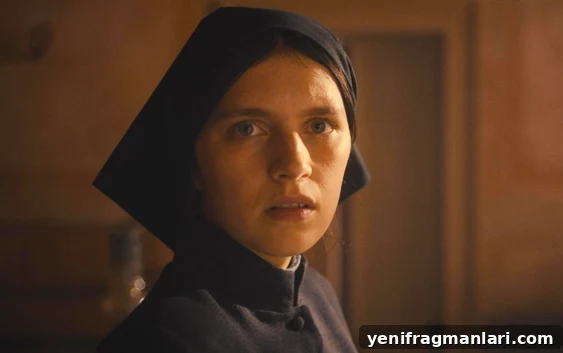
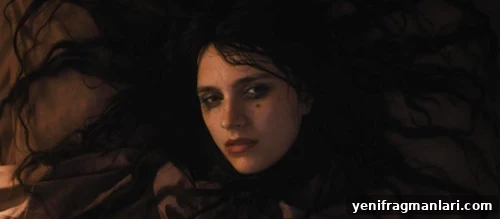
The First Omen (2024)
Director: Arkasha Stevenson
Screenwriters: Tim Smith, Arkasha Stevenson, Keith Thomas
Starring: Nell Tiger Free, Tawfeek Barhom, Sônia Braga, Ralph Ineson, Bill Nighy
There is a distinct trend in contemporary horror that leans into religious settings and the taboo energy of cloistered life — a resurgence of what was once called nunsploitation, or more broadly, Catholic-themed horror. Recent years have produced a string of films exploring possession, secrecy, and institutional faith through ominous convents and ecclesiastical corridors. Into this atmosphere arrives The First Omen, a film that both taps into that familiar vein and intentionally echoes several recent entries in the same register.
The premise will feel immediately familiar: a devout young American woman, newly committed to a conservative faith, travels to Italy to take her vows and join a convent. She forms bonds with younger sisters, but also encounters older nuns who harbor secrets and resentments. Ritual and routine conceal fractures within the order; locked doors and whispered histories suggest things hidden beneath the convent’s pious surface. The protagonist begins to experience visions and hallucinations that draw her into a spiraling dread. Tragedy strikes when a sister takes her own life in the public square of the convent, an event that accelerates paranoia and fear. Attempts to flee fail, and the narrative ultimately leans on a lineage of classic horror motifs that include echoes of Rosemary’s Baby and other foundational Satanic cinema.
Anyone who has recently seen films exploring similar territory will notice how close The First Omen follows those beats. Its structure, set-pieces, and emotional beats often overlap with titles that came just weeks earlier, making comparisons inevitable. That resemblance invites critique: when two movies employ nearly identical turns, timing and originality matter. The film’s proximity to its peers diminishes its distinctiveness, and in some cases viewers may find themselves confusing specific images or scenes between works.
Director Arkasha Stevenson, in her feature debut, clearly aims to make something atmospheric and unusual. She leans into long takes, surreal visuals, and trance-like sequences intended to build an ethereal, hallucinatory mood. These ambitions are often evident on screen — scenes that stretch quietly, compositions that favor unsettling symmetry, and moments that allow the viewer to linger in discomfort. The editing by Bob Murawski and Amy E. Duddleston largely supports these choices, permitting scenes to breathe rather than chopping them into rigid conventional beats. The sound design and musical cues strive for an immersive, unnerving tone, although at times the score swells in ways that feel abrupt when the film transitions from one segment to the next.
The cast does solid work within the restraints of the screenplay. Bill Nighy brings warmth and understated authority to the role of Cardinal Lawrence, offering a humane counterpoint to the more severe figures in the convent. Ralph Ineson supplies the kind of imposing presence he excels at, and Nell Tiger Free anchors the story with a convincing mixture of vulnerability and determination. These performances provide the film with emotional centerpieces that help maintain engagement even when the plot moves predictably toward familiar tropes.
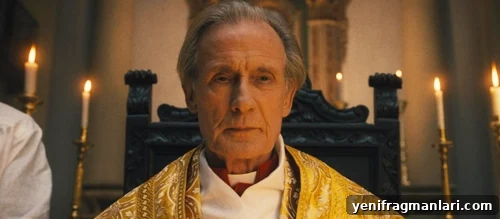
A central challenge for The First Omen is that it functions as a prequel to a very well-known horror franchise. Prequels to iconic properties face a twin pressure: they must honor the source material while also proving their commercial viability. Commercial considerations often steer such films toward familiar beats and safe narrative choices rather than risky reinventions. As a result, this movie frequently feels like it’s checking necessary boxes to position the franchise for future installments rather than fully committing to a bold, singular vision. That conservatism constrains the film’s potential for surprise; knowing the broader mythology removes some of the ending’s shock value.
Despite these limitations, the film is not without merit. It contains moments of genuine atmosphere and a handful of striking visuals that suggest what might have been achievable with fewer franchise obligations and greater creative freedom. In places where the filmmakers step away from formula, the film shows sparks of originality — fleeting instances that hint at a more daring project beneath the surface. If this feature had not been tied to an established property and the studio had allowed a smaller, riskier approach, it might have evolved into something far more memorable.
Ultimately, The First Omen sits in a middle ground: not a failure, and not a true reinvention. It offers competent direction, strong performances, and a handful of evocative sequences, but it is held back by a storytelling framework that prioritizes franchise continuity over genuine surprise. For viewers drawn to atmospheric, faith-based horror, the film will have pleasures to offer. For those seeking a truly original take on convent terror, it will likely feel disappointingly familiar.
Score: 14/24
Rating: ⭐⭐ (2 out of 5)