
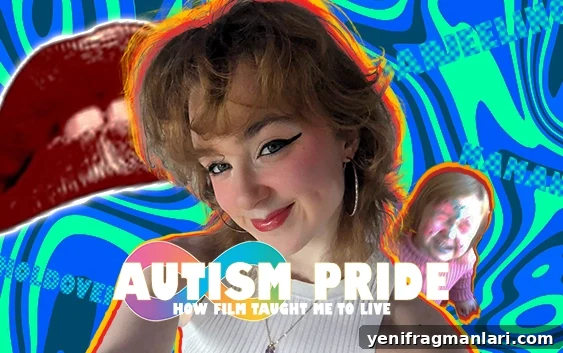
When anyone receives a diagnosis, each person processes it differently. For some it becomes a shadow that follows them; for others it is a weight, a stone tied to the wrist that drags them down. Instead of signing your name, you trace the letters of your condition until they scar. It can become a burdening namesake, a cross you feel you must carry to the light. For the younger me, diagnosis meant liberation. It meant celebration. It meant life.
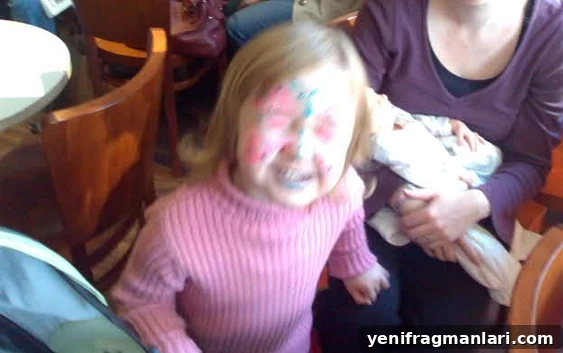
At ten years old I believed my autism would take me far. I knew I would have to learn to trust it; as I grew older I would need to embrace it, to merge the edges of who I was with what I was. Now, at twenty, I understand that embracing it is a continuous effort. I have confronted people who barked at what they did not understand, who labelled me as wrong and redirected my path of self-discovery. There were days when progress felt stalled and I feared I would never fully understand myself. Yet as the journey unfolded I found a higher road and chose the path of love again.
I wore my diagnosis proudly, broadcasting it at every opportunity. I wanted to write about it, speak at assemblies, research it. My diagnosis was not a whispered line in a clinic; it felt like a fountain of possibility. I believed that if I could learn the ways my autism showed up, I could become anything I wanted. I could be a sparking poet, a determined fighter, a thoughtful preacher—if only I understood myself.
To recognise myself I turned to culture. I devoured books to extend my pride and fill the gaps curiosity opened. That, however, lacked the intimacy I craved, so I searched film and television. Where I hoped to find emotional resonance, I often found incomprehension. Many so-called autistic characters were reduced to exceptional intellects: neatly scripted, almost robotic figures whose emotions seemed absent. Their portrayals left me wondering:
Is this all people see when they think of autism? Is this all they see in me?
It wasn’t until I became a film critic that I realised I had been looking the wrong way. I had been trying to lift a poem’s base meaning while missing its wider nuance. My autism is often sensory; it amplifies small shifts, especially in my emotions. So films were not the wrong place to look—only limiting myself to autistic characters was. When you widen the view to depictions of the whole human experience, entire worlds begin to pulse in response. I stopped fixating on a single point of a spectrum and started looking at how cinema captures human feeling.
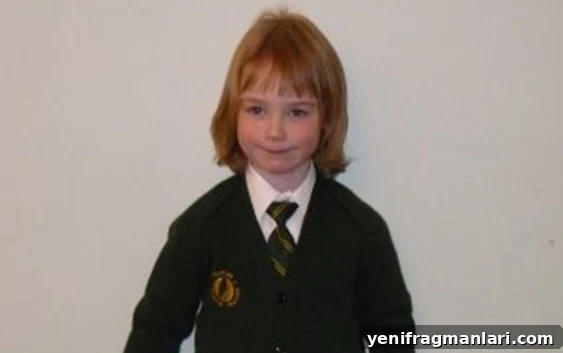
By my late teens, films were central to my life. Beyond shaping my career, they nourished me. These were not merely moving images on a glowing screen; they were living stories, constellations of feeling. On dark days they were mentors offering protection and wisdom; on bright days they were friends stopping by with warmth. Crucially, films taught me emotional literacy—how to recognise, feel, and respond to inner life. They would teach me how to live, and I listened.
Below I describe five human experiences that cinema nourished for me, pairing each with a film that guided an important phase of my life. Each film marked a lesson learned. They are personal, but I hope that by sharing them you might sense what I felt. Breathe slowly and let these recollections settle.
The Inner Child – Petite Maman (2021)
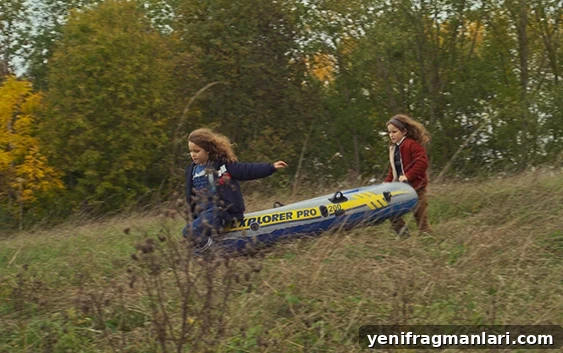
Petite Maman is the wind among the fallen leaves of my forgotten autumns.
Directed by Céline Sciamma, this small, magical story follows eight-year-old Nelly as she navigates grief after her grandmother’s death. A visit to her mother’s childhood home leads to an encounter in the woods with a girl who turns out to be her mother at eight. In that moment I recognised the little version of myself.
Lately I have been sifting through early memories like the pages of a picture book. It takes courage to face one’s younger self in the worst moments and to revive the seeds planted then. Through this painful but compassionate process I have learned to protect and honor that child. Petite Maman invited me to sit beside little me: its warm, autumnal cinematography and gentle pacing allowed me to look into her eyes and hold her with tenderness. The film reminded me that we never fully shed who we once were; those fragments deserve being assembled and seen. Our younger selves shaped our strength and deserve to be embraced and cherished.
Family – The Darjeeling Limited (2007)
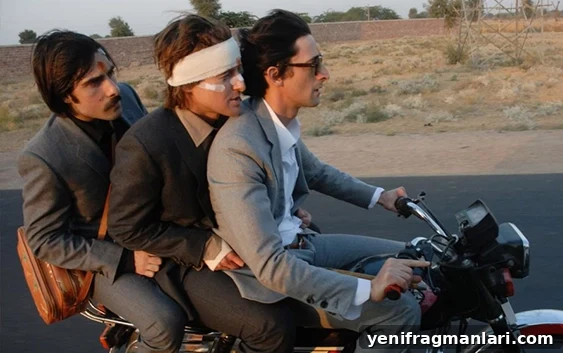
Wes Anderson’s films have always resonated with me. When I first watched The Darjeeling Limited, about three brothers on a journey across India attempting to reconnect after the death of their father, I felt an immediate bond. The film taught me to set down my gaudy baggage and return to the welcoming arms of family.
I had recently experienced a significant loss and felt like a solitary train leaving the station with only its lights for company. Expecting Anderson’s aesthetic wit, I instead found a moving portrait of healing and familial ties. The brothers’ private dynamics echoed my relationship with my own siblings and reminded me that connection and care are more powerful than the illusion of control. The film’s final sequences taught me to let go and come back to my family with an open heart.
Grief – The Holdovers (2023)
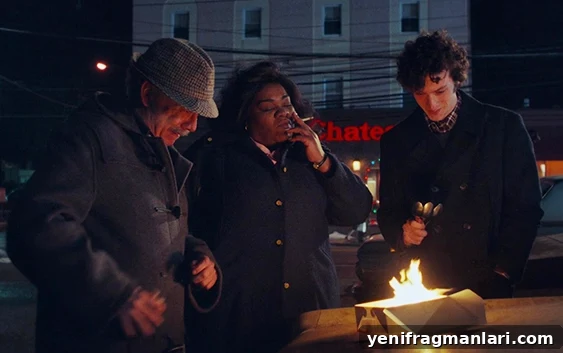
The Holdovers is the wooden warmth of a church packed with people at a winter service.
The film follows a gruff teacher, a troubled student, and a grieving caretaker who are forced together over the holidays. Each carries a private sorrow. The night I watched it I learned someone close to my family had died. I remember feeling stunned and somehow rooted to the carpet; I told my mother that this film would help her if she watched it too.
The Holdovers depicts grief as deceptive and varied. Its gentle music and intimate scenes create a space for sitting with pain rather than rushing to fix it. As characters reveal their true selves, the film honours endurance over easy answers. Watching it, I allowed the characters to sit with my own shock and sadness. Later, at the family table, we acknowledged our loss with compassion. That quiet mutuality was its own healing.
Freedom – The Rocky Horror Picture Show (1975)
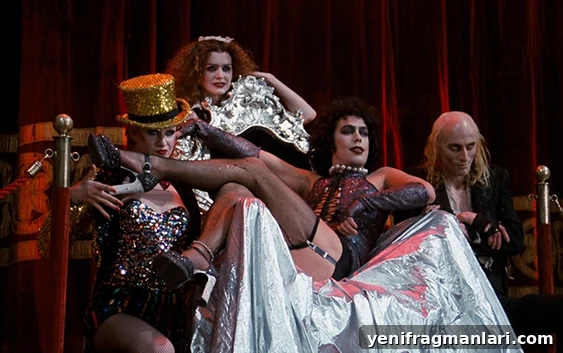
The Rocky Horror Picture Show feels like a brazen red jewel among my cinematic lessons. It follows a conservative couple whose car breaks down at a strange castle filled with flamboyant, transgressive characters. I did not expect this outrageous musical to become one of my favourites, yet it arrived exactly when I needed its joy.
As an autistic person, routine changes are deeply unsettling. After a three-year relationship ended, I was forced to confront shifts I hadn’t imagined. Instead of immersive sadness, I found myself drawn to the riotous energy of Rocky Horror. Its glam-rock bravado and unashamed flamboyance lifted something in me. The film demanded presence: I felt my skin and breath come alive. It tore down fences of inhibition and replaced them with messy, exuberant freedom. Rocky Horror taught me that freedom is something to celebrate and revere, not fear.
Love – The Shop Around the Corner (1940)
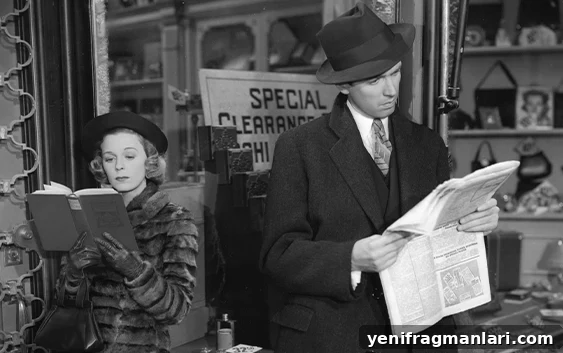
The Shop Around the Corner is as pure and comforting as melted snow. Set in a Budapest general store, it follows two employees who bicker in person but secretly adore each other as anonymous pen pals. Watching it, I discovered how a playful, old-fashioned romance can teach the courage to love.
Shortly before seeing the film I had entered a new relationship that felt buoyant and magical. The movie reached into that warmth and sweetened it even more. Like a child in a candy shop, I savoured every moment. The film gave me the courage to believe in love again and to trust the unfolding of shared life. It taught me to accept the small, vulnerable steps that lead to deeper connection.
What You and I Can Take Away From These Films
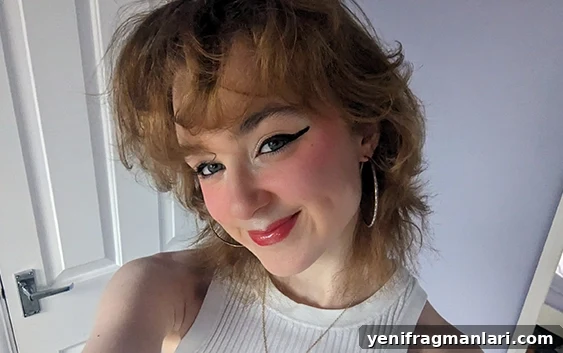
I’m sharing these films because they shaped my life. Regardless of where you are on your path, they can speak to you too. Whether you struggle with emotions, wrestle with daily adjustments, or are celebrating a new year, these films can strip away defences and help you reconnect with parts of yourself you didn’t know existed. In crowds or alone, thriving or struggling, living fully or merely existing, the lessons repeat like a mantra: you can learn more about yourself than you imagined, and love can be found throughout.
At twenty, I know my autism has helped me go far. The ridges between who I am and what I was have blurred; we are one. Stigmatizing labels do not determine my inner voice—my identity lives along the edges of my skin. Along this journey of intense feelings and heightened sensitivity I have learned what it means to live. If love is the answer, then I am at home. These films acted as keys: autism taught me how to live, and cinema opened the doors.
Films have shown me that emotions are changeable—fickle, fleeting, fierce. I have cradled my inner child, reclaimed a sense of control, sat with grief, learned to let go, and made space for love. I remain a student: I will keep watching, writing, and learning. But one lesson already stands clear: autism has taught me how to live, and films helped me find the way.
Written by Bella Madge
You can support Bella in the following places:
Substack: BellaWatchesFilms
Instagram: @bellawatchesfilms
TikTok: @bellawatchesfilms
Picturehouse Fresh Takes: Name Me Lawand Review