
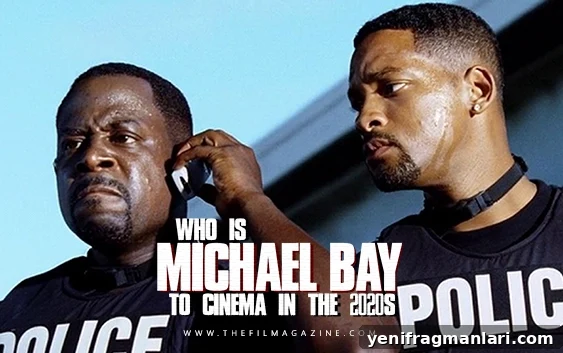
A controversial figure from late-1990s and early-2000s American pop culture, Michael Bay remains difficult to define precisely. Once the unmistakable face of glossy, schlocky Hollywood blockbusters, Bay now stands as both a relic of a particular studio era and an artist undergoing critical reassessment. His signature excess—often called “Bayhem”—has long divided critics and audiences, but younger cinephiles and a new wave of critics have begun to reevaluate his influence and the formal daring behind his work. What was once easily mocked by older millennial viewers is increasingly seen as a distinct cinematic language that has shaped contemporary action filmmaking.
Hollywood has shifted substantially since Bay’s commercial peak more than a decade ago, yet his fingerprints are still visible in how studios mine established franchises and rely on stylistic spectacle to drive tentpole releases. Recent entries in the Bad Boys franchise—especially the third and fourth films—have shown that contemporary filmmakers can both honor and evolve the look and attitude Bay helped popularize. Although the 2023 Transformers prequel did not match the box-office dominance or kinetic power of Bay’s franchise entries, the modern Bad Boys installments have achieved stronger critical and commercial reception than the earliest films in the series.
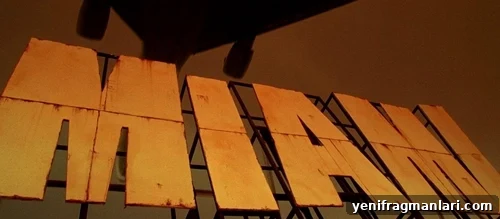
Directing duo Adil El Arbi and Bilall Fallah have emerged as natural heirs to Bay’s visual bravado within this franchise. Their work on Bad Boys For Life and Bad Boys: Ride or Die demonstrates an ability to blend aggressive, inventive action staging with a reverent nod to the franchise’s stylistic origins. Few modern directors stamp the action genre with such a distinctive voice—Chad Stahelski and Sam Hargrave are among the rare exceptions—but El Arbi and Fallah have shown a consistent visual intelligence that updates the Bay blueprint for a new generation. It’s unfortunate their work on other projects, like Batgirl, was shelved, because their command of set pieces and camera mechanics is evident throughout their entries in the series.
El Arbi and Fallah’s films consciously reference Bay’s aesthetic vocabulary: saturated, high-contrast color palettes, sun-drenched Miami exteriors, and dramatic long-lens golden-hour compositions. While the long-lens sunset has roots in filmmakers like Tony Scott, Bay adapted and amplified that image into a Miami-infused iconography—one the newer Bad Boys films freely echo. These visual callbacks do more than imitate; they situate the contemporary films within a lineage of hyper-stylized studio action that celebrates excess.
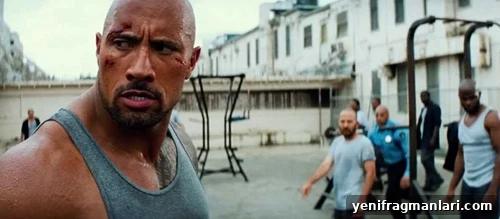
One standout moment in Bad Boys: Ride or Die is Armando’s (Jacob Scipio) extended prison fight, which plays like an amplified homage to a brief but memorable beat from Bay’s Pain & Gain. Where Bay used a short flashback for tonal effect, El Arbi and Fallah stretch the reference into a full action set piece that showcases athletic choreography and kinetic camera work. The sequence turns a single violent image—a weight hurled like a frisbee—into a striking, stylized action motif that embraces both spectacle and character energy.
Bay’s influence goes beyond visual technique; his often crude, sardonic humor and appetite for provocative, sensational moments are also part of his legacy. Pain & Gain stands as an example of his willingness to indulge darker, grotesque comedy, and traces of that tonal audacity appear in the modern franchise films—particularly through Martin Lawrence’s sustained comic energy. While the modern entries temper some of the unchecked nastiness of Bay’s earlier work, they still carry a comedic and stylistic lineage that remains unmistakably connected to him.
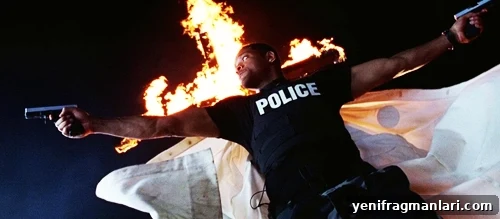
To understand Bay’s identity as a director, Bad Boys II is essential. The film crystallizes his aesthetic manifesto: indulgent, hyper-stylized, irreverent and intentionally provocative. It arrived after a bold but critically panned attempt at larger-scale melodrama in Pearl Harbor, and the sequel can be read as Bay embracing the excesses that would define his career. The film’s combination of slow‑motion hero shots, elaborate action choreography, and conspicuous visual flair amounts to a thesis statement about the director’s priorities—style, intensity and a relentless appetite for spectacle.
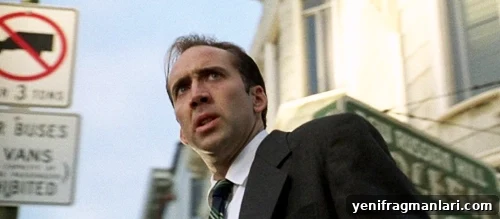
Bay’s cinematic references are wide-ranging—taking visual cues from filmmakers like Tony Scott, John Woo and Steven Spielberg—and then recombining them into something aggressively American and singularly his own. The results are polarizing: critics often dismissed Bay as privileging style over substance, yet his films created their own grammar of spectacle that many contemporary directors have since echoed or riffed upon.
Over time, Bay’s reputation has become more complex. His commercial dominance has waned—recent releases have not matched the box-office heights of his earlier career—but a cultural reappraisal has made his work feel newly relevant. In an era saturated with risk-averse blockbuster formulas and derivative franchise entries, Bay’s visceral bravado and uncompromising visual identity can seem refreshingly candid, if still contentious.
Whether viewed as nostalgia or as part of a longer cycle of artistic reevaluation, Michael Bay’s body of work remains ripe for reconsideration. The broad strokes of his critical reception are unlikely to vanish, but continued examination will likely reveal a director whose influence on mainstream cinematic language—his visual bravado, rhythmic editing, and appetite for spectacle—has been more consequential than earlier critics allowed.
Recommended for you: Bad Boys Movies Ranked
Written by Dorian Griffin
You can support Dorian Griffin in the following places:
Letterboxd: /dgriffin2260
Substack: What Would Michael Bay Do?