
Pixar Animation Studios stands among the world’s most influential feature animation companies. Beginning life in computer graphics in 1986, the studio grew from a small contender into a creative powerhouse whose critical and commercial success ultimately prompted Disney to acquire it for $7.4 billion in 2006.
Pixar’s distinctive 3D animation style changed the industry and helped shift mainstream studio animation from traditional 2D techniques to three-dimensional storytelling. Its catalogue includes genre-defining and award-winning films such as Toy Story, Monsters, Inc., Finding Nemo, WALL‑E, Up, Coco, and Soul.
In this edition of Ranked, the writers at The Film Magazine collaborated to rank Pixar’s feature films. Each entry below was assessed for enjoyment, emotional resonance, lasting impact, critical reception, and artistic achievement.
Written by Mark Carnochan (MC), Jacob Davis (JD), Katie Doyle (KD), Martha Lane (ML), Sam Sewell-Peterson (SSP), and Joseph Wade (JW), here are the Pixar Animation movies ranked.
Follow @thefilmagazine on X (Twitter).
28. Lightyear (2022)
Budget: $200 million
Box Office: $226.4 million
Director: Angus MacLane
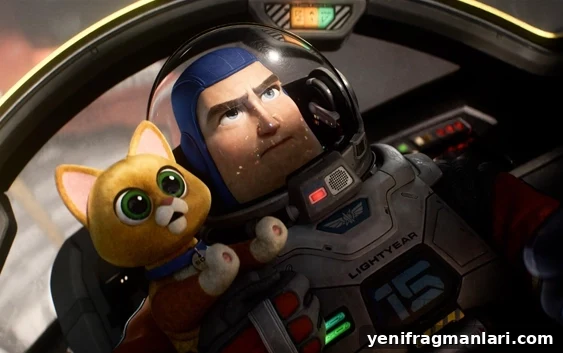
Released in the aftermath of pandemic-related distribution disruptions, Lightyear was meant to be a major theatrical draw but failed to meet expectations. Presented as the in‑universe movie that inspired the Buzz Lightyear toy, it follows Buzz (voiced by Chris Evans) on a spacefaring origin adventure against a power-hungry antagonist and through a team of unlikely allies.
The film follows familiar Pixar beats: a boastful protagonist humbled by circumstance and ultimately redeemed by the loyalty of a small group. Visually, Lightyear has dazzling space sequences and sharp production values, but the premise felt like an overt franchise extension. Confusion about what the film was before release and a sense that it prioritized merchandising over originality held it back.
JW
27. Cars 3 (2017)

Budget: $175 million
Box Office: $383.9 million
Director: Brian Fee
By the time Cars 3 arrived, the franchise’s commercial value was clear, and Disney’s interest in merchandise was evident. This installment gives Lightning McQueen an older-athlete arc as he seeks one more chance at glory. The animation shows technical improvement over earlier entries, and the film makes a sincere attempt at emotional depth and representation.
Despite those efforts, Cars 3 feels largely designed to support ancillary sales. The character designs and premise remain targeted at children, and while there are heartfelt moments for long-time fans, the film lacks the wider thematic ambition found in many other Pixar titles.
JW
26. Cars 2 (2011)
Budget: $200 million
Box Office: $559.8 million
Director: John Lasseter
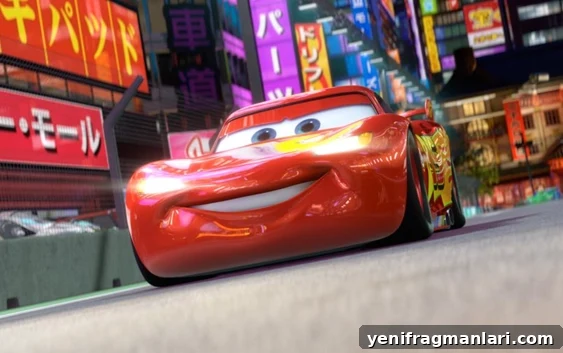
Cars 2 shifted the series into a globe-trotting spy/racing crossover, expanding locations and characters in part to appeal to international markets. The animation is often impressive, and some voice performances stand out, but the sequel trades the original’s quiet Americana and emotional core for spectacle and merchandising opportunities.
The film contains entertaining set pieces but lacks the heart that made the first Cars resonate. As a result, Cars 2 feels like a franchise detour driven more by commercial calculation than storytelling ambition.
JW
25. Onward (2020)
Budget: $175 million
Box Office: $141.9 million
Director: Dan Scanlon
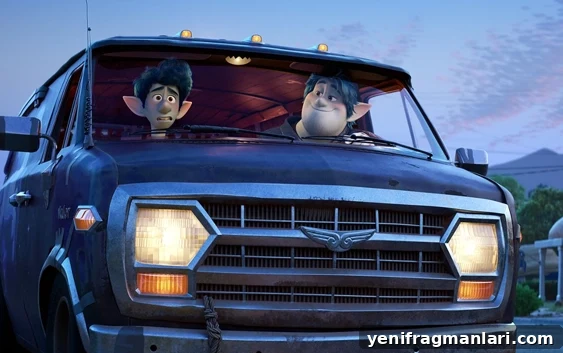
Onward is a modern fantasy road movie about two elf brothers who set out to bring their late father back for a day. Released at the start of the global pandemic and affected by shifting release strategies, the film underperformed financially despite its heartfelt premise.
The film follows familiar Pixar structures—an emotional journey, imaginative set pieces, and character growth—and delivers genuine warmth and tears in its quieter moments. Its pacing and early setup are uneven, but Onward succeeds when it leans into familial love and emotional honesty.
JW
24. Elemental (2023)
Budget: $200 million
Box Office: $492.3 million
Director: Peter Sohn
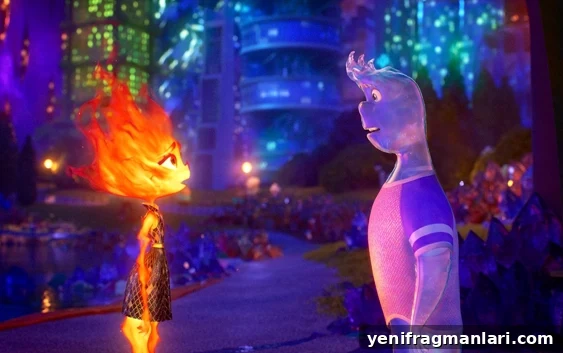
Elemental is a contemporary romantic comedy set in a city where beings of fire, water, earth, and air coexist. It centers on Ember, a fire element struggling with anger, and Wade, a water element whose arrival upends her life. Their story tackles differences, belonging, and love against a visually vibrant backdrop.
While Elemental doesn’t revolutionize the romcom formula or fully explore its social allegory, it offers a sincere message about inclusion suitable for younger viewers and presents moments of genuine emotional warmth supported by strong animation and color design.
JW
23. The Good Dinosaur (2015)

Budget: $200 million
Box Office: $332.7 million
Director: Peter Sohn
The Good Dinosaur imagines an alternate history in which the asteroid missed Earth and dinosaurs evolved into pastoral societies. After a family tragedy, a small apatosaurus named Arlo must survive the wilderness and rediscover courage. Though the film’s pace and humor rely on familiar beats and occasionally meandering side characters, its landscapes are breathtaking and its emotional core—especially the silent bond between Arlo and a human child named Spot—is powerful.
ML
22. Finding Dory (2016)
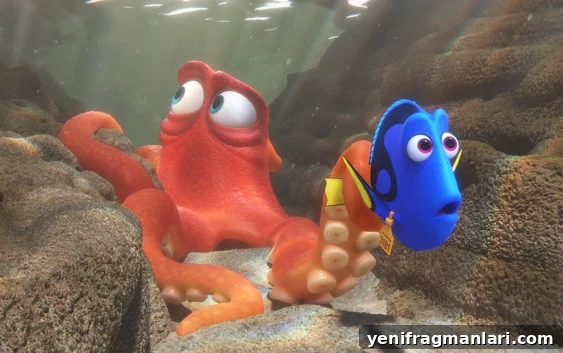
Budget: $200 million
Box Office: $1.029 billion
Director: Andrew Stanton
Finding Dory revisits the undersea world of Finding Nemo and follows the forgetful yet lovable Dory on a quest to locate her family. Alongside Marlin and Nemo, Dory’s journey introduces memorable new characters and layers of humor and heart. The film stands on its own narrative strengths while honoring the original, and its commercial success reflects the enduring appeal of these characters.
ML
21. Luca (2021)
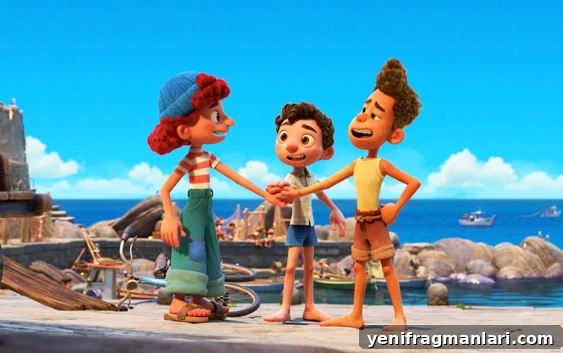
Budget: $200 million
Box Office: $49.8 million
Director: Enrico Casarosa
Luca is a warm coming-of-age story set on the Italian Riviera about two sea creatures who take human form on land and dream of freedom and adventure. Its sunlit palette, breezy humor, and themes of friendship and acceptance made it a streaming hit during the pandemic, even if its theatrical numbers were limited by release circumstances.
ML
20. Incredibles 2 (2018)
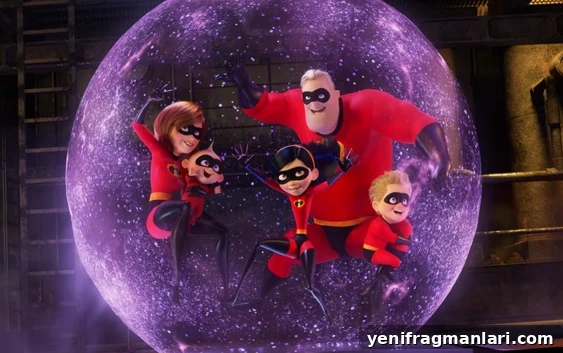
Budget: $200 million
Box Office: $1.243 billion
Director: Brad Bird
Fourteen years after the original, Incredibles 2 reunited audiences with the Parr family during a time when superheroes dominated pop culture. The sequel balances family dynamics, action, and satire of superhero tropes, and it delivered massive box office returns. Some story elements felt dated against contemporary social norms, but the animation, comedic moments, and emotional beats still resonate.
JW
19. Toy Story 4 (2019)
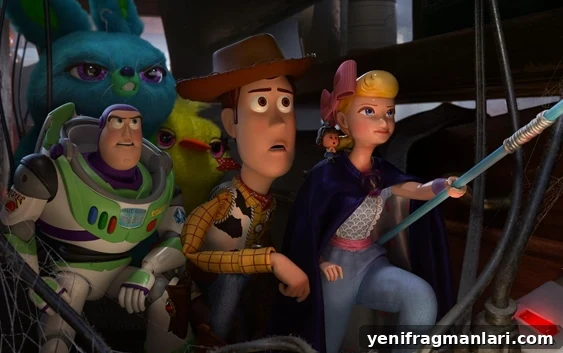
Budget: $200 million
Box Office: $1.07 billion
Director: Josh Cooley
Toy Story 4 returns to the toys’ world with fresh questions about purpose and identity. When Bonnie creates Forky, a toy who believes he’s trash, Woody embarks on a road trip that reunites him with old friends and introduces new ones, including a more developed Bo Peep and the insecure Duke Caboom. Technically stunning and emotionally layered, the film offers a compelling reason for its existence as a continuation of the franchise.
JD
18. Monsters University (2013)
Budget: $200 million
Box Office: $743.6 million
Director: Dan Scanlon
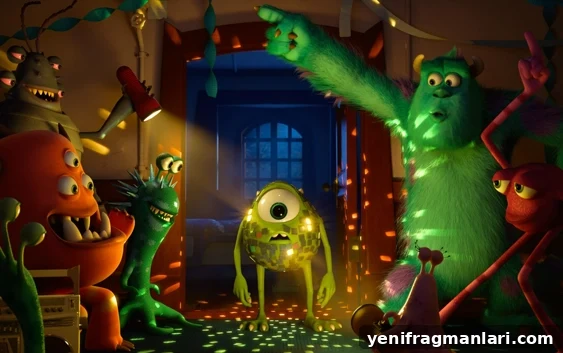
Monsters University explores the college years of Mike and Sulley, framing their rivalry and eventual friendship around the pressures and anxieties of academic life. The film mines familiar university themes—confidence, persistence, and the value of teamwork—through a humorous and heartfelt lens, and it ranks among Pixar’s more purely entertaining comedies.
JD
17. Brave (2012)
Budget: $185 million
Box Office: $539 million
Directors: Mark Andrews, Brenda Chapman
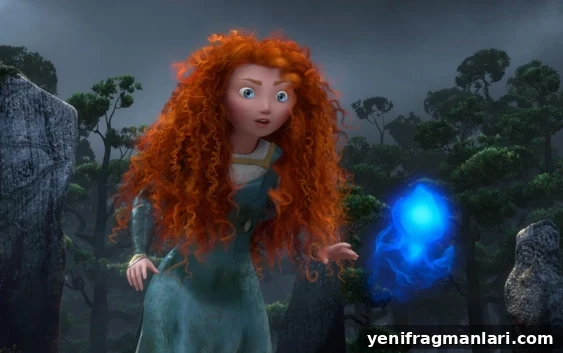
Brave centers on Merida, a headstrong young woman in medieval Scotland who rejects tradition and seeks her own path. With its emphasis on family, identity, and self-determination—especially in the mother-daughter relationship—the film blends Disney fairy-tale elements with Pixar’s emotional focus. Though not among Pixar’s very best, Brave is a warmly rendered and resonant coming-of-age story.
JW
16. Turning Red (2022)
Budget: $175 million
Box Office: $20.1 million
Director: Domee Shi
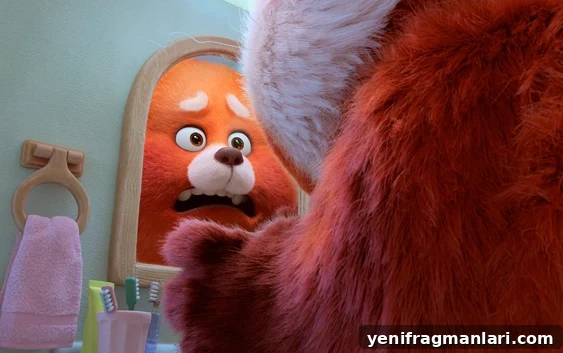
Turning Red follows a 13-year-old girl who transforms into a giant red panda whenever her emotions overwhelm her, a family curse passed through generations. The film—written and directed by Domee Shi—was notable for its candid portrayal of adolescence, cultural specificity, and its frank approach to topics often glossed over in family animation. While the pacing is uneven at times, its representation and voice made it an important recent Pixar release.
JW
15. Cars (2006)
Budget: $120 million
Box Office: $462 million
Director: John Lasseter
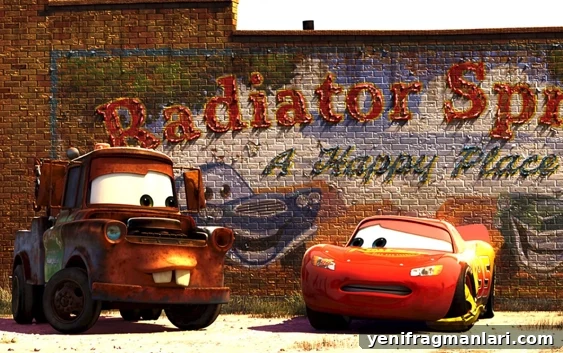
Cars introduced Lightning McQueen, a rookie race car who gets stranded in the small town of Radiator Springs and learns humility, friendship, and the value of community. As Pixar’s first post‑acquisition release, the film leaned heavily into celebrity casting and a commercial-friendly premise. While technically accomplished and popular with younger audiences, some critics felt it lacked the universal emotional depth of earlier Pixar entries.
KD
14. Inside Out 2 (2024)
Budget: $200 million
Box Office: $1.698 billion
Director: Kelsey Mann
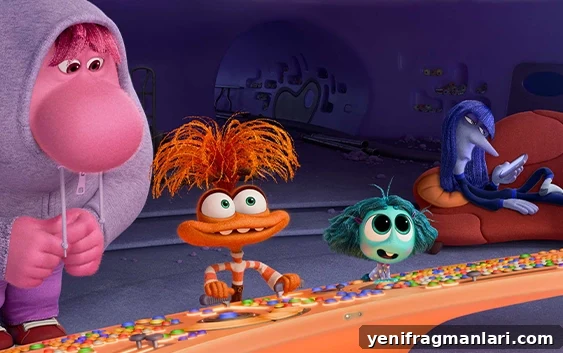
Inside Out 2 revisits Riley’s mind as she navigates adolescence. New emotions—Anxiety, Envy, Ennui, and Embarrassment—emerge alongside her original core emotions, reshaping her inner world during puberty. The sequel builds on the original’s insight into emotional life, introducing inventive animation styles and empathetic portrayals of mental states that speak to both children and adults.
JW
13. Soul (2020)
Budget: $150 million
Box Office: $121 million
Director: Pete Docter
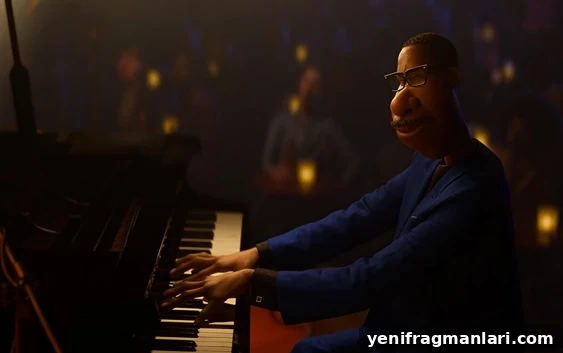
Soul follows Joe, a middle-school band teacher with jazz aspirations, as an existential detour sends him into a metaphysical realm where he grapples with purpose, creativity, and what makes life meaningful. Winner of the Academy Award for Best Animated Feature, Soul presents mature themes about identity and fulfillment with sophisticated visuals and a soulful jazz-infused score.
JW
12. A Bug’s Life (1998)

Budget: $45 million
Box Office: $363.3 million
Directors: John Lasseter, Andrew Stanton
A Bug’s Life tells the story of Flik, an inventive ant who seeks help to defend his colony from oppressive grasshoppers. Inspired in part by classic Western and caper tropes, the film mixes humor, heroic misfits, and vivid character animation. While not as groundbreaking as Toy Story, it remains an entertaining adventure with memorable moments.
JW
11. Inside Out (2015)
Budget: $175 million
Box Office: $857.6 million
Director: Pete Docter
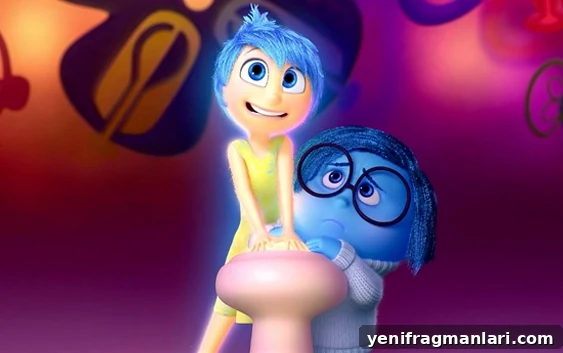
Inside Out imagines the emotions inside a young girl, Riley, as distinct characters—Joy, Sadness, Anger, Fear, and Disgust—whose interactions shape her responses to a major life change. The film translates complex psychological themes into a format children can understand while offering profound emotional insight for adults. Touching, inventive, and emotionally honest, it’s become a modern family classic.
MC
10. The Incredibles (2004)
Budget: $92 million
Box Office: $631.4 million
Director: Brad Bird
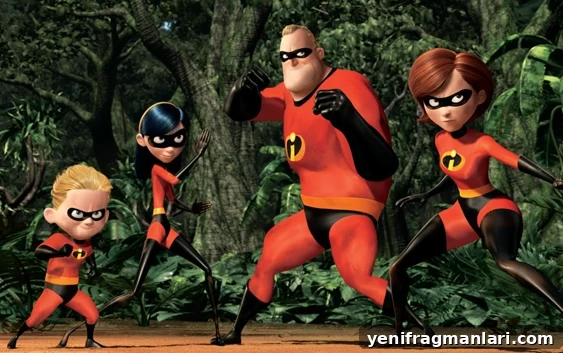
The Incredibles centers on a family of retired superheroes forced back into action. Merging superhero spectacle with domestic comedy, Brad Bird crafted a sharp, stylish adventure that honors genre conventions while spotlighting family dynamics. Its action sequences, retro-futurist design, and jazzy score combine to make it a standout in Pixar’s catalogue.
SSP
9. Ratatouille (2007)
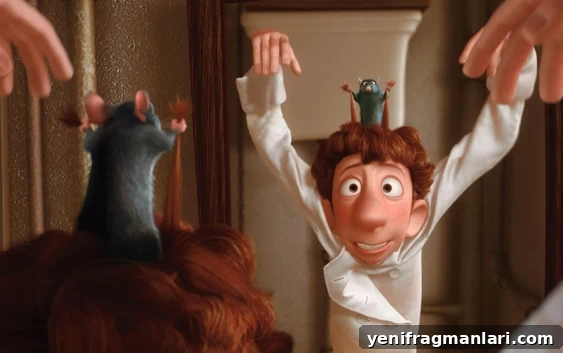
Budget: $150 million
Box Office: $623.7 million
Director: Brad Bird
Ratatouille tells of Remy, a rat with refined taste and a passion for cooking, who forms an unlikely partnership with a young kitchen worker to pursue culinary excellence in Paris. The film celebrates artistry, mentorship, and the idea that anyone can follow their calling. Its warm humor, compelling antagonist, and exquisite animation make it one of Pixar’s most charming works.
ML
8. Coco (2017)
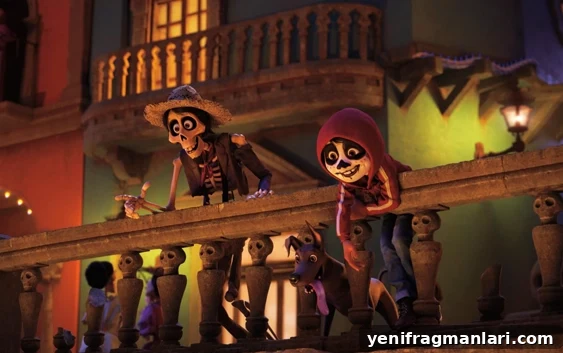
Budget: $200 million
Box Office: $807.8 million
Directors: Adrian Molina, Lee Unkrich
Coco explores family, memory, and identity through the lens of Mexico’s Day of the Dead. Miguel’s journey into the land of the dead to reconnect with his ancestors blends vibrant visuals, moving music—most notably the song “Remember Me”—and culturally rooted storytelling to create an emotionally powerful and memorable film.
SSP
7. Toy Story 2 (1999)
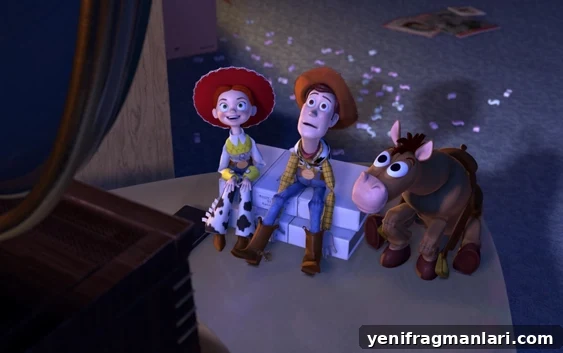
Budget: $90 million
Box Office: $487.1 million
Director: John Lasseter
Toy Story 2 expands the world of Andy’s toys when Woody is stolen by a collector and Buzz leads a daring rescue. The sequel broadens the franchise’s scope with ambitious set pieces, deeper character exploration, and inventive moments like the video-game opening sequence. It remains a high‑point in the Toy Story saga.
MC
6. Monsters, Inc. (2001)
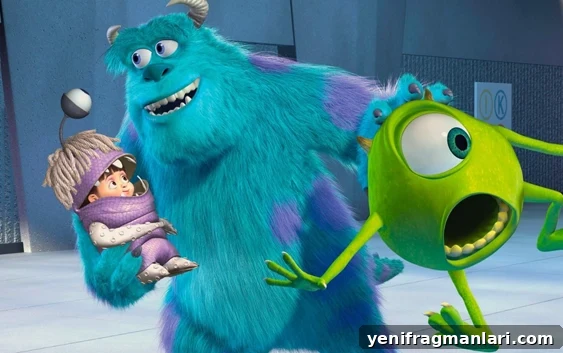
Budget: $115 million
Box Office: $528.8 million
Director: Pete Docter
Monsters, Inc. blends buddy-comedy dynamics with imaginative world-building: Sulley and Mike, top scarer and loyal sidekick respectively, confront their assumptions about children when an adorable human named Boo slips into their world. The film balances humor and heart and remains a beloved family favorite.
JD
5. Finding Nemo (2003)
Budget: $94 million
Box Office: $871 million
Director: Andrew Stanton
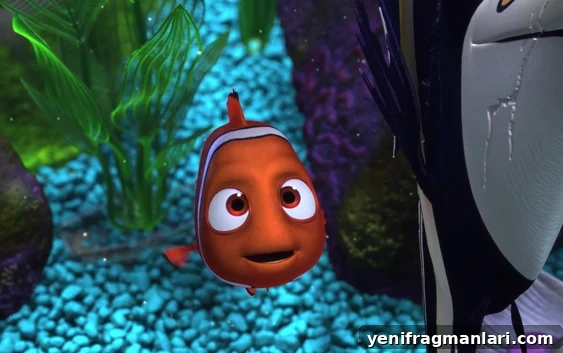
Finding Nemo follows an overprotective clownfish, Marlin, on an ocean-crossing quest to rescue his son, Nemo. Along the way he befriends Dory, a blue tang with memory challenges, and encounters a vivid cast of sea creatures. The film combines adventure, humor, and strong emotional themes about parenting, trust, and growth, making it one of Pixar’s most enduring films.
JD
4. Toy Story (1995)
Budget: $30 million
Box Office: $244.7 million
Director: John Lasseter
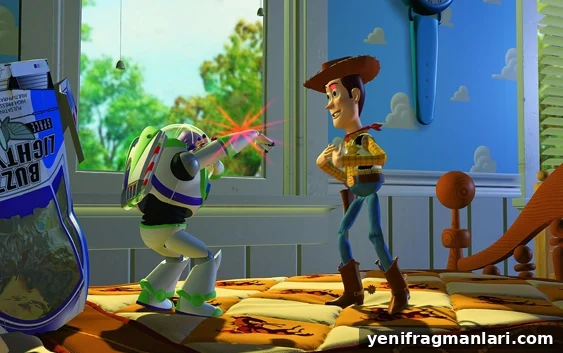
Toy Story launched Pixar’s revolution in CGI feature filmmaking. The story of Woody, Buzz, and the other toys—who come to life when humans aren’t watching—combined inventive world-building with heart and humor. Its memorable characters, sharp writing, and emotional warmth established a blueprint that Pixar would build on for decades.
MC
3. Toy Story 3 (2010)
Budget: $200 million
Box Office: $1.067 billion
Director: Lee Unkrich
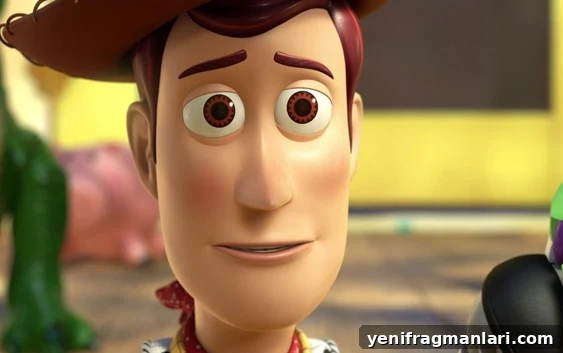
Toy Story 3 raises the emotional stakes by confronting change, aging, and loss as Andy prepares for college and the toys face an uncertain future. The film balances levity and grief with memorable moments—Barbie and Ken’s antics, Buzz’s language reset, and a tense daycare escape—culminating in powerful sequences that resonate across generations.
JD
2. Up (2009)

Budget: $175 million
Box Office: $735.1 million
Director: Pete Docter
Up opens with a moving montage that captures an entire life of love and loss in minutes, establishing a powerful emotional foundation for the rest of the film. The story follows Carl Fredricksen as he lifts his house with thousands of balloons and heads to South America, accompanied unexpectedly by a young wilderness explorer. Up blends melancholic reflection, adventure, and visual imagination into a deeply affecting film.
JW
1. Wall‑E (2008)

Budget: $180 million
Box Office: $521.3 million
Director: Andrew Stanton
WALL‑E is a near-wordless masterpiece that follows a solitary waste-compacting robot in a desolate, polluted future. When he meets EVE, a sleek probe seeking life, their connection sparks a romance and a mission that spans space and reawakens humanity’s better instincts. The film’s opening extended sequence communicates character and theme without dialogue, showcasing Pixar’s skill for visual storytelling and emotional clarity.
JW
Which of these rankings match your own? Are there films you think should be higher or lower? Share your thoughts in the comments. This list was created collaboratively by six writers at The Film Magazine who submitted individual rankings that were combined to form this joint list. If you appreciate our work and want to support independent coverage, consider donating to help keep our site accessible.