
The Towering Inferno (1974)
Director: John Guillermin
Screenwriter: Stirling Silliphant
Starring: Steve McQueen, Paul Newman, William Holden, Faye Dunaway, Fred Astaire, Susan Blakely, Richard Chamberlain, Jennifer Jones, O. J. Simpson, Jack Collins, Robert Vaughn, Robert Wagner
Released in 1974, The Towering Inferno stands as one of the era’s definitive disaster films. Big-budget spectacle, star power and carefully staged effects combine to create a movie that still influences the genre decades later. Made for a relatively modest production cost and earning substantial box-office returns, the film established a blueprint for large-scale emergency dramas: interweave human dilemmas with escalating physical peril, and deliver both spectacle and emotional stakes.
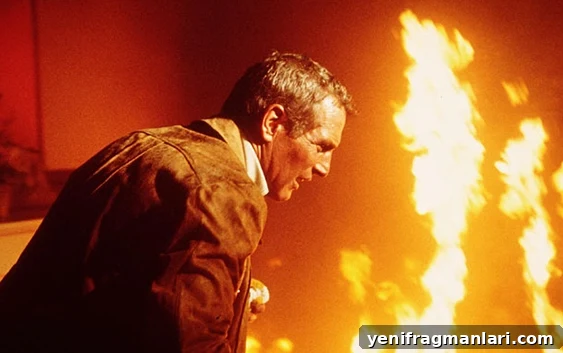
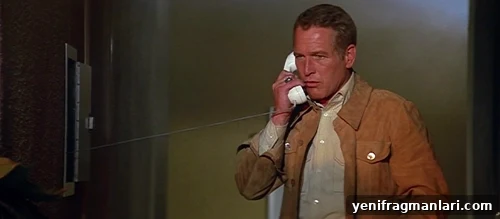
The plot centers on Doug Roberts (Paul Newman), the architect behind the Glass Tower, at the time the world’s tallest building. The skyscraper opens in a lavish ceremony attended by dignitaries and socialites, but cost-cutting decisions and negligent construction lead to disaster. An electrical fault ignites a small blaze that quickly becomes catastrophic. With safety systems compromised and rescue options limited by height and fire, guests and staff find themselves trapped on the upper floors as the inferno spreads.
At its core, The Towering Inferno is built around two complementary strengths: spectacle and humanity. The production spares no effort in staging massive set pieces—corridors consumed by flames, elevators rupturing under heat, and precarious rescue attempts that make full use of miniatures, matte paintings, and practical effects. These sequences deliver the visceral thrills audiences expect from a disaster picture and remain impressive even to modern viewers familiar with digital effects.
Yet the film’s greatest asset is its treatment of character. The narrative gives room for moral complexity: the building’s owner, James Duncan (William Holden), initially downplays danger to protect his investment, while other figures show courage or selfishness in the crisis. Duncan’s eventual willingness to help and to accept responsibility creates a satisfying arc that elevates the story beyond mere spectacle. These character moments—people confronting fear, making choices under pressure, and recognizing their own failings—ground the action in emotional truth.
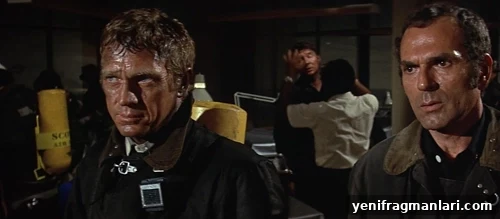
Steve McQueen’s portrayal of Chief Fireman Michael O’Halloran is a model of restrained heroism. Faced with impossible choices and relentless setbacks, O’Halloran pauses, breathes, reassesses, and then acts—not out of cinematic bravado, but from seasoned competence and fatigue. These quieter, measured beats—preparing equipment, hitching a safety line, taking a moment before a dangerous maneuver—lend the film authenticity and increase tension by showing the toll such rescues take on real responders.
Director John Guillermin and the editing team prioritize these human intervals alongside escalating action. That approach occasionally creates a measured pace that some modern viewers might consider deliberate, but it also allows emotional weight to register. The film’s editing was recognized at the Academy Awards, and its ability to balance spectacle with character-driven moments is part of why it remains memorable.
Composer John Williams contributes a score that shifts between ominous tension and triumphant relief. In the film’s final act, a sweeping brass theme underscores the sense of catharsis as the fire is controlled and survivors reflect on loss and luck. The ending does offer a degree of conventional Hollywood reassurance—some heroes survive and the worst of the disaster is contained—yet the film does not shy away from the grim cost: rows of body bags and the sobering remark about the death toll remind viewers that not everyone escapes.
The Towering Inferno also set a template for later works that combine confined-set peril with human drama—movies about high-rise dangers, single-location catastrophes and ensemble rescues draw on its structure and tone. It was recognized in its time, nominated for multiple Academy Awards and winning in technical categories, which speaks to its craftsmanship in cinematography, editing and production. Above all, the film succeeds because it respects its subject: disaster is both spectacle and human tragedy, and the best moments arise when it lets both aspects breathe.
Even now, the film works as an effective blend of crowd-pleasing destruction and genuine emotion. Viewers come for the fire and stay for the human stories—the fear, the courage, the regret and the unlikely acts of redemption. For those who enjoy classic Hollywood spectacle paired with character-driven drama, The Towering Inferno remains a compelling experience.
Score: 18/24
⭐⭐⭐
Rating: 3 out of 5.