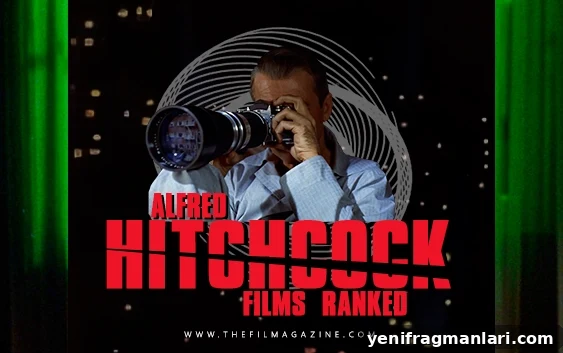
Good evening.
A director’s name rarely reaches beyond film circles. Steven Spielberg, Stanley Kubrick and Martin Scorsese are exceptions, but Alfred Hitchcock stands apart as a towering figure. Across more than five decades and over fifty features, Hitchcock earned the title “Master of Suspense” by creating some of the most enduring thrillers, black comedies, spy films and murder mysteries in cinema history.
Born Alfred Joseph Hitchcock in London on August 13, 1899, he was the son of a strict greengrocer who instilled a rigid sense of discipline and deference to authority. A frequently told childhood story—of Hitchcock being taken to a police station and locked in a cell as a cautionary lesson—left a lasting impression. That early encounter with the police would echo through his work, feeding a recurring mistrust of authority and an obsession with restraint and handcuffs in many of his films.
Hitchcock showed early aptitude for technical subjects such as engineering and geography, and he memorized London’s transport routes. He began working at a small newspaper, proofreading late into the night, which introduced him to commercial storytelling and imagery. In 1919 he joined Islington Studios as a title-card designer, and he quickly branched out into production design, camera work and art department duties across numerous silent films. That hands-on apprenticeship in silent cinema, combined with exposure to German expressionism, shaped his visual approach: telling stories largely through images and precise film grammar.
His first directorial attempts were halting. Number 13 (1922) was abandoned early for lack of funds, and the short Always Tell Your Wife (1923) survives only in part. By 1925 Hitchcock completed his first feature, The Pleasure Garden, and his 1927 breakthrough The Lodger made him Britain’s most in-demand young director. He later made Britain’s first successful talkie, Blackmail (1929), helped define the spy thriller, earned four Best Director Oscar nominations, and saw his films collectively win dozens of Academy Awards, including Best Picture for Rebecca (1940).
Despite his later acclaim, Hitchcock’s reputation was not immediately secure among early film critics and proponents of auteur theory. He was once dismissed as merely a competent craftsman of pulpy thrillers. Over time his influence became unmistakable: directors from Steven Spielberg to Christopher Nolan and Guillermo del Toro have cited him as a major inspiration. Even decades after his final film, new thrillers are still described as “Hitchcockian.” When he died in 1980 after receiving the AFI Lifetime Achievement Award, cinema lost one of its most inventive and influential creators.
What follows is a curated countdown of all surviving Alfred Hitchcock feature films, ranked from 53 to 1. Short films, television episodes, propaganda pieces and lost or incomplete works are excluded. This list aims to honor Hitchcock’s extraordinary contribution to film by highlighting the surviving features that define his legacy.
53. The Pleasure Garden (1925)
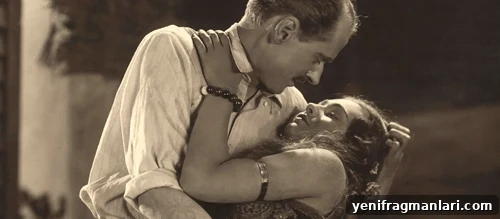
Hitchcock’s first completed feature is understandably the least accomplished in his catalog. The Pleasure Garden follows chorus girls pursuing stardom and the love triangle that entangles husbands and wealthy suitors. Still, it contains early signs of Hitchcock’s interests—voyeurism, staircase imagery, and touches of dark humor—though its static camerawork and uneven pacing reveal a director still finding his voice.
52. Champagne (1928)
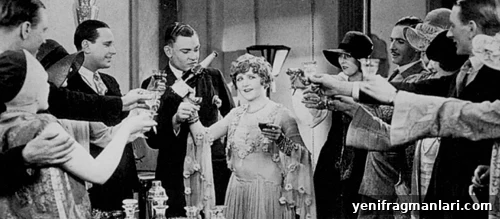
A return to comedy at the producers’ urging, Champagne follows an heiress forced to work after her father’s bankruptcy. The film includes a memorable POV shot through a giant champagne glass, but on the whole it meanders and lacks the momentum and clarity Hitchcock would later achieve.
51. The Farmer’s Wife (1928)
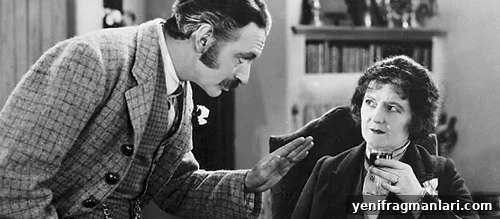
One of Hitchcock’s silent comedies, The Farmer’s Wife follows a widowed farmer’s search for a new wife. The film contains playful moments and tentative camera experiments, but it feels slow and overstretched compared with his stronger silent works.
50. Juno and the Paycock (1930)
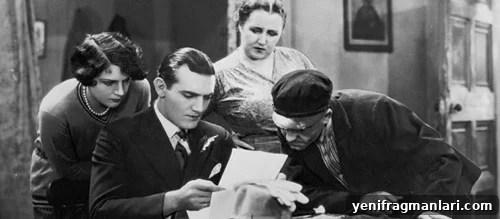
An adaptation of Sean O’Casey’s play, this film illustrates a clash between stage and screen. Hitchcock later admitted he struggled to translate the material visually. The film is talk-heavy, occasionally inventive, but overall flat—best viewed as a historical curiosity within his output.
49. Downhill (1927)
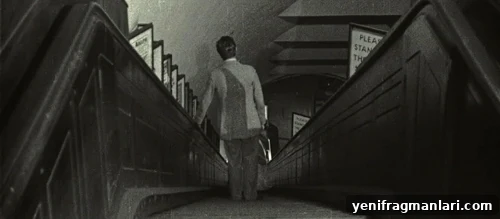
Adapted from a play and starring Ivor Novello, Downhill charts a young man’s fall from grace. It contains striking expressionist touches and a haunting final act, though much of the film drifts and would have benefited from tighter editing.
48. Easy Virtue (1928)
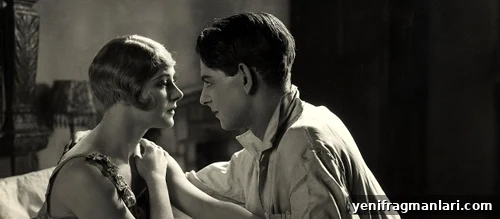
Based on Noel Coward’s play, Easy Virtue centers on a woman hiding a scandalous past. Thematically it foreshadows later works like Rebecca, and it shows Hitchcock growing more confident with camera movement and visual storytelling.
47. Waltzes from Vienna (1934)
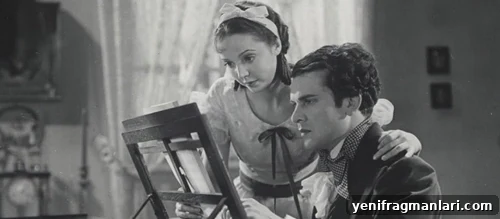
A fictionalized account of Johann Strauss, this musical is uneven: stirring performance scenes are undermined by a muddled mix of romance and comedy. Hitchcock later said he made it mainly to keep working while developing other projects.
46. Rich and Strange (1931)
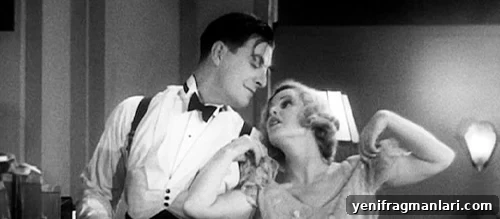
Co-written with Alma Reville, this film about a couple whose journey abroad strains their marriage blends farce and tragedy. It contains striking bleak moments—when the tone shifts the film truly shines—but overall it failed to connect with contemporary audiences.
45. The Skin Game (1931)
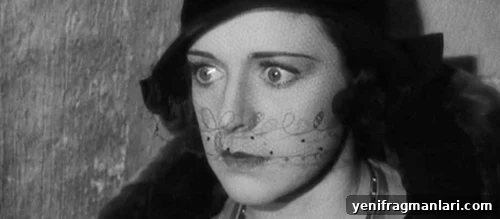
Adapted from John Galsworthy’s play, this film examines class conflict between landed gentry and industrial entrepreneurs. Hitchcock attempts visual solutions to dialogue-heavy material, with some effective moments but a generally forgettable result.
44. Number Seventeen (1932)
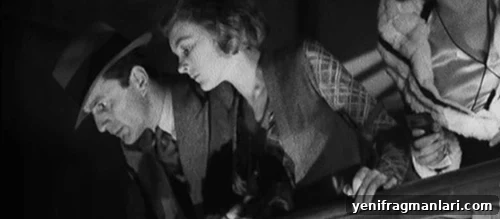
A crime caper adapted from a stage play, Number Seventeen struggles in its first two acts but redeems itself with an exuberant miniature-based chase between a train and a bus. The sequence reveals Hitchcock’s delight in cinematic inventiveness, even when the rest of the film is muddled.
43. Mary (1931)
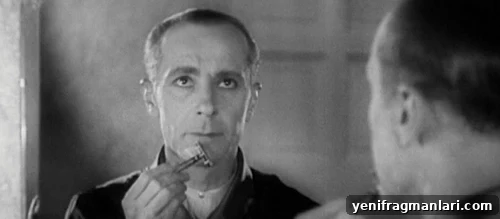
Mary is the German-language version of Murder!, created when studios routinely produced alternate-language versions of films. It mirrors its English counterpart closely but loses some naturalness in translation, making it a companion piece rather than a distinct standout.
42. The Manxman (1929)
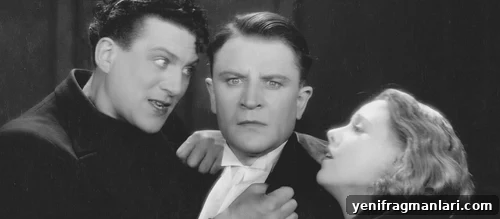
Hitchcock’s final silent feature combines romance, moral dilemmas and quiet expressionist touches. Anny Ondra’s presence begins the Hitchcock Blonde tradition, and the film is a coherent, well-paced capstone to his silent era work.
41. Mr and Mrs Smith (1941)
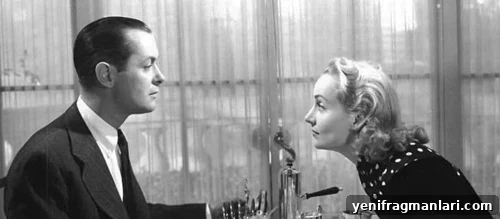
A screwball romantic comedy starring Carole Lombard and Robert Montgomery, Mr and Mrs Smith explores marital mix-ups after a legal technicality renders a couple unmarried. Hitchcock’s comic instincts are apparent, but his strengths lie more in blending humor with suspense than in straight comedy, and the film shows both charm and pacing issues.
40. Secret Agent (1936)
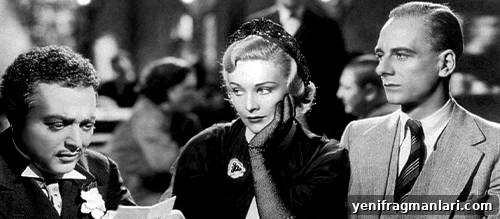
A wartime espionage thriller with Madeleine Carroll and Peter Lorre, Secret Agent mixes comedy and bleakness with solid performances. It’s enjoyable but lacks the distinctiveness of Hitchcock’s strongest spy films.
39. Under Capricorn (1949)
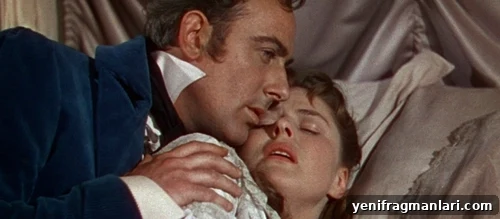
A period drama set in 19th-century Australia, anchored by Ingrid Bergman and Joseph Cotten, Under Capricorn experiments with long takes but ultimately struggles to sustain interest. Its craftsmanship is apparent, yet the story often drifts and remains emotionally distant.
38. I Confess (1953)
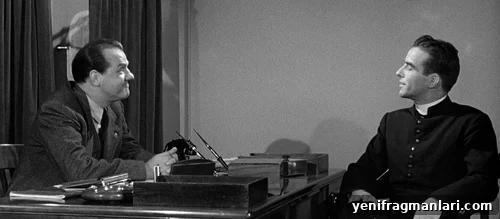
Montgomery Clift plays a priest who refuses to break the seal of confession even when suspicion falls on him for a murder. The premise is compelling and Clift’s performance is strong, but the film only truly crystallizes in its final reel, leaving much of the middle section feeling inert.
37. The Paradine Case (1947)
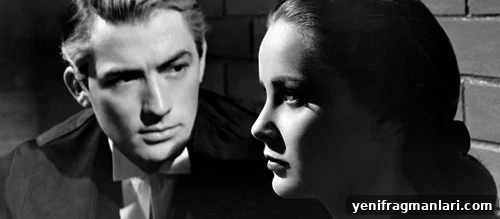
A courtroom drama featuring Gregory Peck and Alida Valli, this film is restrained by its talky script and stagebound origins. Strong actors strive to elevate material that never becomes fully cinematic in Hitchcock’s usual visual terms.
36. The Ring (1927)
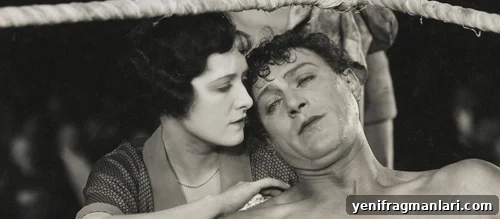
A boxing drama with a love triangle at its center, The Ring is one of Hitchcock’s most accomplished silent films. It displays tension, visual ingenuity and a well-staged final fight that demonstrate his growing mastery of the medium.
35. Murder! (1930)
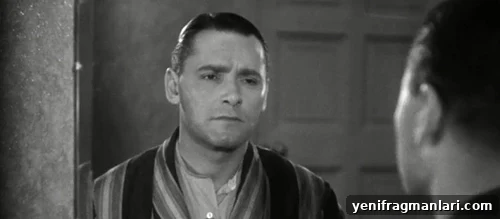
A whodunit adapted from Enter Sir John, Murder! introduced innovative sound techniques—most famously an internal monologue conveyed through recorded dialogue and music over a shaving sequence. Stagebound in places, it contains inventive moments that point toward Hitchcock’s future strengths.
34. Young and Innocent (1937)
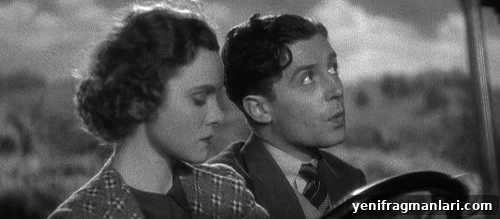
A variation on the “wrong man” theme, Young and Innocent follows a man on the run who must clear his name. It includes some memorable set pieces and chemistry between the leads, though it is sometimes derivative of Hitchcock’s earlier hits.
33. Topaz (1969)
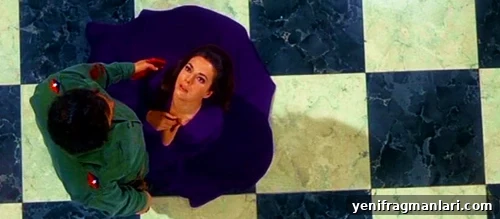
A Cold War spy thriller set around the Cuban Missile Crisis, Topaz contains striking images and suspenseful moments but suffers from too many characters and an overlong runtime. It has beautiful moments but lacks cohesion.
32. Stage Fright (1950)
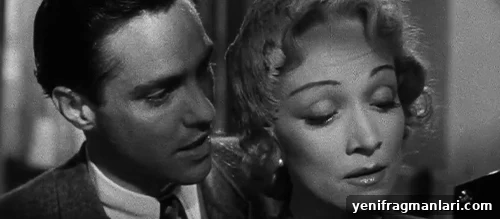
Blending deception, disguise and theatricality, Stage Fright features Marlene Dietrich in a chilling role. The film vacillates between comedy and thriller tones, which blunts dramatic tension even as it delivers several effective scenes.
31. Sabotage (1936)
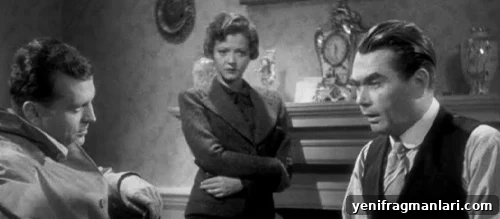
A London-based thriller, Sabotage is best remembered for a harrowing sequence in which a child unknowingly carries a bomb through a city. That sequence remains one of Hitchcock’s most powerful set pieces, even if the rest of the film is less remarkable.
30. Torn Curtain (1966)
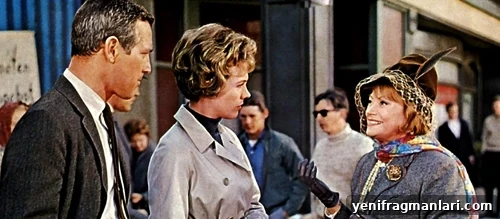
A Cold War thriller starring Paul Newman and Julie Andrews, Torn Curtain offers suspense and espionage but often feels like Hitchcock on autopilot. Its length and underused cast undermine otherwise solid set pieces.
29. Saboteur (1942)
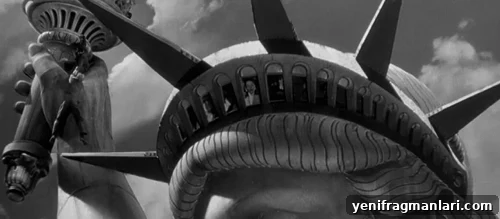
An adventure thriller with a wrongfully accused protagonist, Saboteur culminates atop the Statue of Liberty. It’s classic Hitchcock fare—entertaining and brisk—though it revisits familiar territory rather than breaking new ground.
28. Foreign Correspondent (1940)
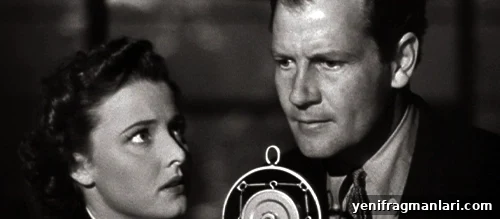
Made during a pivotal year, Foreign Correspondent is a well-crafted espionage thriller with striking set pieces—a tense hotel hostage sequence and a dramatic aerial finale. Trimming its opening would sharpen the film, but it remains a strong example of Hitchcock’s wartime cinema.
27. The Trouble with Harry (1955)
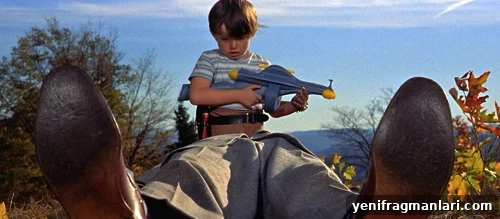
A pastoral black comedy about townsfolk dealing with a corpse, The Trouble with Harry uses a dead body as a comic MacGuffin. Its wry tone and Bernard Herrmann’s score give it charm, though the comedy doesn’t land for every viewer.
26. The Lady Vanishes (1938)
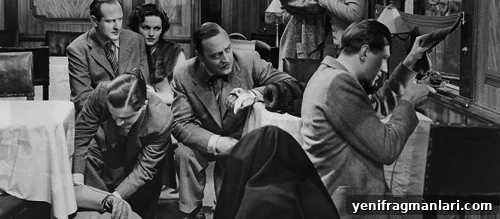
A breakthrough British success, The Lady Vanishes balances comedy, mystery and action as passengers on a train confront the disappearance of an elderly woman. Its momentum builds into a satisfying and influential thriller that helped launch Hitchcock’s Hollywood career.
25. Frenzy (1972)
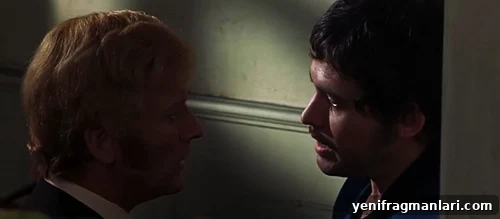
Returned to London late in his career, Hitchcock delivered Frenzy, a grim and energetic thriller about a serial killer. It shocked contemporary audiences with more explicit violence and adult language than his earlier work and marked a bold, if uneven, late-period resurgence.
24. The Man Who Knew Too Much (1934)
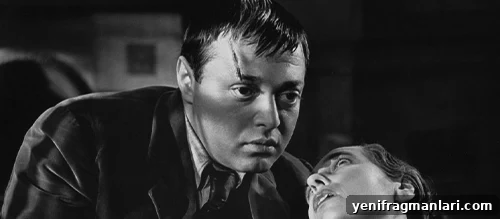
This early international hit mixes suspense, comedy and a famous Albert Hall finale. Hitchcock called his early version the work of a “talented amateur,” but its striking set pieces and inventive staging already reveal the talent that would define his career.
23. Lifeboat (1944)
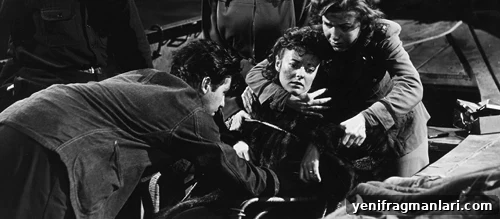
Set entirely on a lifeboat, this Steinbeck-scripted film is a claustrophobic study of human behavior under pressure. Hitchcock extracts paranoia, moral conflict and tension from a confined setting, making Lifeboat an inventive and gripping experiment in limited-space storytelling.
22. Suspicion (1941)
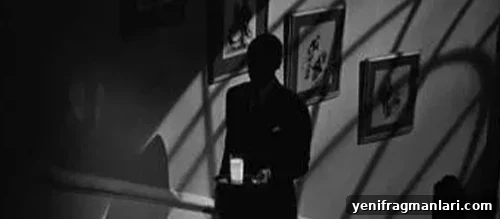
The first Hitchcock-Cary Grant pairing explores a woman’s growing suspicion that her husband may be a murderer. Tension builds from domestic unease to outright dread, and Joan Fontaine’s performance gives the film emotional weight despite a studio-influenced ending Hitchcock later regretted.
21. Blackmail (1929)
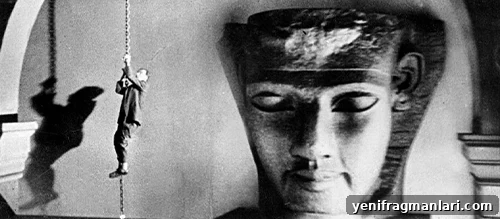
One of Hitchcock’s landmark films, Blackmail was produced in both silent and sound versions and stands as Britain’s first major talkie. It demonstrates Hitchcock’s early mastery of suspense, visual storytelling and his willingness to explore sound creatively to heighten tension.
20. The Wrong Man (1956)
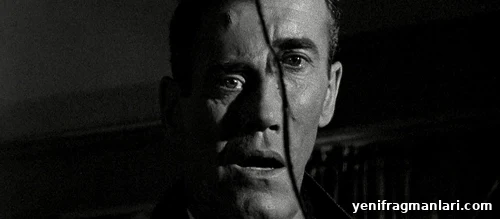
A rare Hitchcock film drawn from real events, The Wrong Man stars Henry Fonda as an everyman wrongly accused. Stark black-and-white photography and a documentary sensibility give this quiet, unsettling portrait considerable power.
19. Marnie (1964)
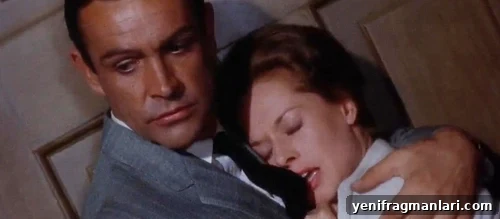
Marnie reunites Hitchcock with the Hitchcock blonde archetype in a psychological drama about theft, trauma and identity. Sean Connery and Tippi Hedren deliver compelling performances, and the film’s suspenseful sequences and style remain striking despite a middle act that can feel overburdened by competing themes.
18. Family Plot (1976)
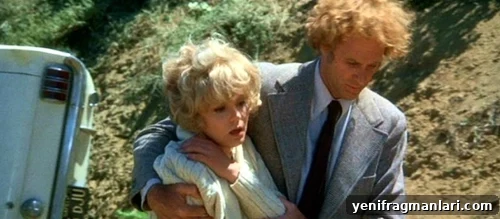
Hitchcock’s final film is a playful pastiche of many of his signature elements—blondes, MacGuffins, deception and comic menace. It’s a lively, affectionate closing chapter that celebrates the director’s range, even if it’s a touch indulgent in places.
17. Jamaica Inn (1939)
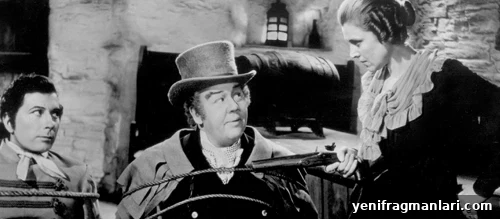
A bleak, atmospheric adaptation of Daphne du Maurier’s novel, Jamaica Inn showcases Charles Laughton as a chilling villain amid wind-swept coastal darkness. It’s one of Hitchcock’s most gothic and uncompromising films.
16. The Lodger (1926)
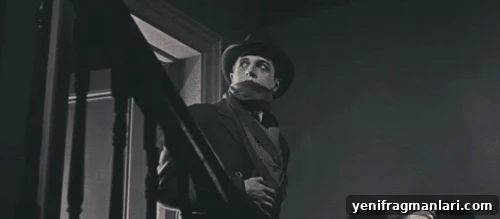
Often cited as the film that established Hitchcock’s signature, The Lodger blends expressionist visuals, suspense and a chilling central figure. Clever camera tricks and inventive staging make it the standout of his silent period and the work that announced his arrival.
15. The Man Who Knew Too Much (1956)
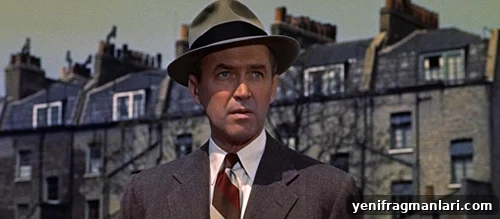
Hitchcock revisited and refined his earlier spy thriller, this time with James Stewart and Doris Day. The remake benefits from tighter direction and an emotionally powerful performance by Day, and it remains a gripping, polished piece of entertainment.
14. The 39 Steps (1935)
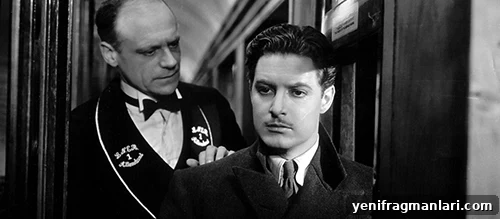
This taut spy thriller crystallized many Hitchcock motifs: the wrong man, comic moments amid peril, sweeping set pieces and a memorable chase across the Scottish highlands. It’s pure, propulsive entertainment and a formative classic.
13. Dial M for Murder (1954)
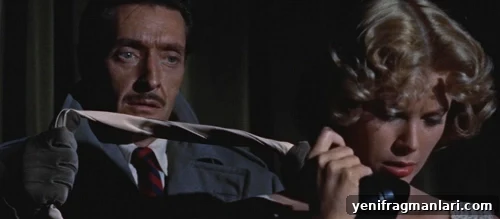
A mostly single-location thriller adapted from a stage play, Dial M for Murder features Grace Kelly in a compelling role and a meticulously staged murder sequence. While talky by Hitchcock standards, it remains a tense, elegantly mounted picture.
12. Spellbound (1945)
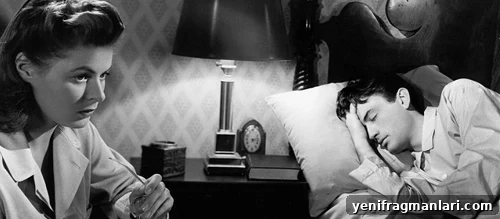
A psychological thriller starring Ingrid Bergman and Gregory Peck, Spellbound features a surreal dream sequence designed by Salvador Dalí and a thoughtful blend of romance and psychoanalytic mystery. It’s an unusual and stylish entry in Hitchcock’s catalogue.
11. Strangers on a Train (1951)
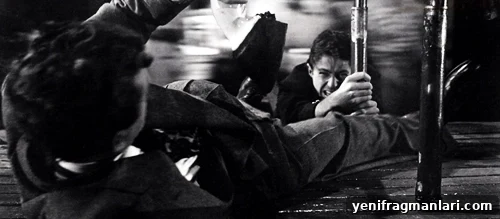
Adapting Patricia Highsmith’s novel, Hitchcock stages an unnerving tale of two men who agree to “swap” murders. Robert Walker’s performance as Bruno is chilling and unforgettable, and the film contains striking visual set pieces culminating in a dramatic carousel finale.
10. Shadow of a Doubt (1943)
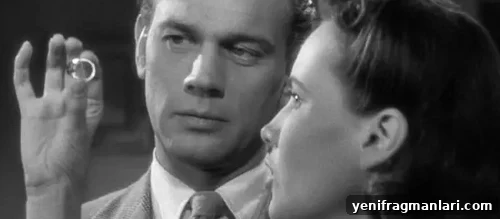
A domestic thriller about a young woman who suspects her beloved uncle of terrible crimes, Shadow of a Doubt masterfully evokes creeping paranoia and moral uncertainty. Performances by Joseph Cotten and Teresa Wright are superb, and Hitchcock’s direction turns a quiet setting into a landscape of dread.
9. To Catch a Thief (1955)
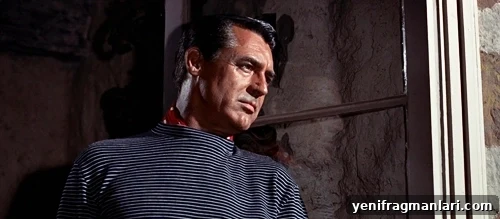
Set on the French Riviera with Cary Grant and Grace Kelly, To Catch a Thief is a sun-drenched caper combining romance, wit and stylish suspense. Its glamour and lightness make it one of Hitchcock’s most enjoyable and elegant films.
8. The Birds (1963)
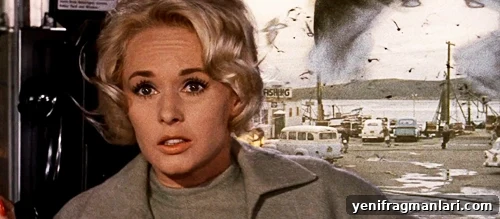
An enigmatic and terrifying horror film in which ordinary birds begin attacking people, The Birds builds relentless tension and graphic violence in ways Hitchcock rarely allowed himself. Tippi Hedren’s debut is notable and the film’s ambiguous ending preserves its haunting mystery.
7. Rebecca (1940)
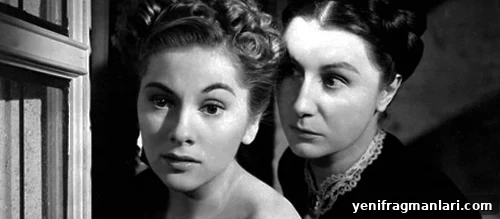
Hitchcock’s lush adaptation of Daphne du Maurier’s gothic novel won Best Picture and remains one of his most sumptuous and atmospheric works. The film’s art direction, performances and psychological tension render it a near-perfect classic of mood and cinema craft.
6. Rope (1948)
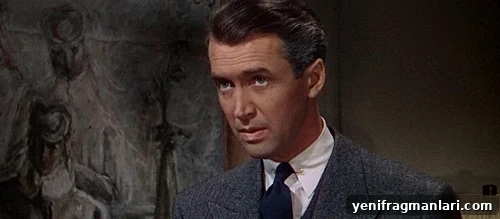
An experimental thriller filmed to resemble a single continuous take, Rope explores intellectual vanity and murder among a small social circle. Hitchcock’s staging and the film’s tight suspense make it a technical and psychological achievement.
5. Notorious (1946)
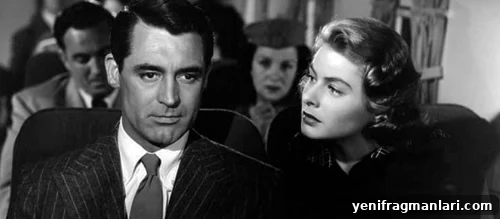
A masterful blend of espionage and romance starring Ingrid Bergman and Cary Grant, Notorious features exquisite long takes and a taut emotional core. Its wine-cellar sequence and somber ending secure the film’s reputation as one of Hitchcock’s finest.
4. Rear Window (1954)
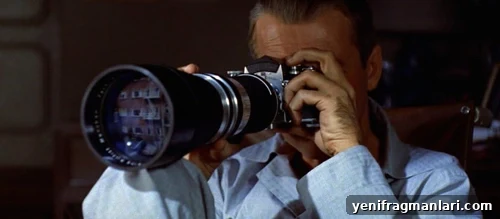
A concentrated masterpiece set almost entirely from a single apartment, Rear Window turns voyeurism into a nerve-shredding thriller. James Stewart and Grace Kelly’s chemistry, combined with Hitchcock’s rigorous withholding of information, create one of cinema’s most taut and compelling films.
3. Vertigo (1958)
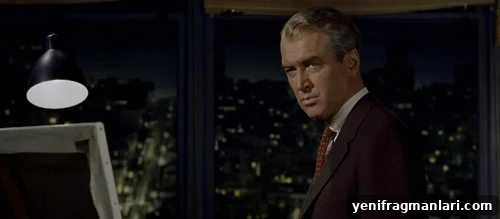
Once controversial and now widely acclaimed as one of cinema’s greatest films, Vertigo is a haunting exploration of love, obsession, identity and illusion. James Stewart and Kim Novak deliver unforgettable performances, and Hitchcock’s visual innovations—including the famous dolly zoom—help make this a transcendent, unforgettable work.
2. North by Northwest (1959)
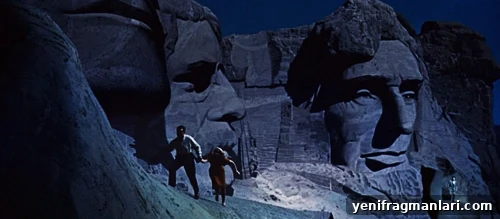
A rousing, witty and stylish thriller that encapsulates Hitchcock’s gifts, North by Northwest pairs Cary Grant with sweeping set pieces—from a crop-duster ambush to a climactic monument showdown—and perfect comic timing. It’s pure cinematic pleasure and one of his most enduring crowd-pleasers.
1. Psycho (1960)
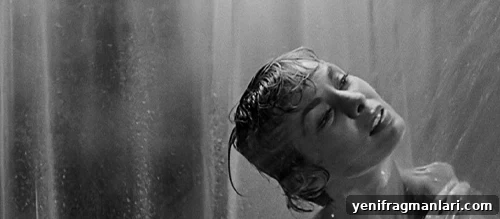
Psycho stands at the apex of Hitchcock’s achievement: a game-changing thriller that redefined suspense and horror for modern cinema. Its shocking narrative choices, Bernard Herrmann’s iconic score, and the unforgettable shower sequence have ensured its place as one of the most influential films ever made.
This ranked list highlights the breadth and depth of Alfred Hitchcock’s cinematic legacy. From his formative silent experiments to mid-century masterpieces and late-career provocations, Hitchcock shaped how stories of suspense, guilt and paranoia are told on film. His influence remains fundamental to how we understand narrative cinema today.
Share your thoughts on these films and your own rankings in the comments below.