
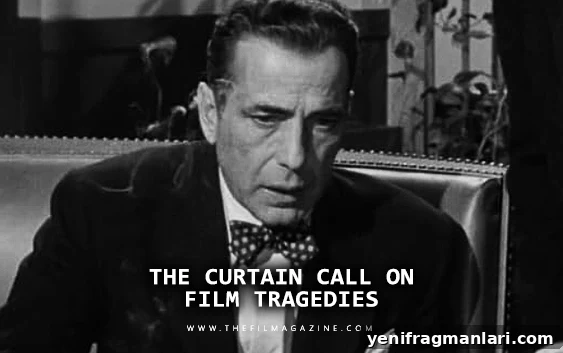
Tragedy in cinema feels increasingly marginal, a genre that once carried enormous cultural weight now relegated to the fringes. For much of film history, tragic storytelling remained central: its emotional intensity and moral complexity made it a natural fit for great works such as Citizen Kane, often hailed as one of the greatest films ever made. Even as mainstream tastes shifted, tragedy persisted as a vital form for exploring human suffering, loss, and the consequences of moral error.
Tragedy is an ancient tradition, stretching from the plays of Ancient Greece through Shakespeare and into modern literature and film. Its structure often guides audiences through bleak events toward a sobering or unhappy resolution, and its power lies in its capacity to evoke deep feeling and reflection—think of Romeo & Juliet and the archetype of star-crossed lovers. Philosophers like Friedrich Nietzsche argued that confronting dark, painful elements of life through art helps us understand humanity more fully. That enduring value explains why tragedy has remained part of storytelling across centuries.
Tragedy has also served as a cultural barometer. Classics like Casablanca weave loss and love into stories of moral choice and collective sacrifice, while postwar film noir reflected a widespread sense of failure and disillusionment. The career trajectories of actors such as Humphrey Bogart—moving from the idealism of Casablanca to the bleakness of In a Lonely Place—symbolize broader shifts in cinematic mood, where earlier hopes for a better future gave way to worlds marked by moral ambiguity and despair.

The rise of the summer blockbuster and spectacle-driven filmmaking in the 1980s marked a turning point. Studios embraced crowd-pleasing, nostalgia-rich franchises—Back to the Future, Star Wars sequels, The Goonies—and a new commercial logic favored high-concept thrills over the inward-looking, idea-driven work of earlier decades. The result was an industry increasingly calibrated to merchandising and spectacle rather than to the intellectual and emotional depth associated with literary tragic figures such as Thomas Hardy.
Money shapes what gets made as much as creative ambition. Big-budget franchises like Fast and Furious and the Marvel Cinematic Universe dominate box office returns because they reliably attract mass audiences. By contrast, literary adaptations of tragic novels often struggle commercially. A well-received adaptation of Far From the Madding Crowd in 2015, for example, impressed critics yet earned only modest box office returns—evidence of how a profit-driven marketplace sidelines works likely to leave audiences devastated or unsettled.
Beyond commercial pressures there is a cultural reluctance to embrace raw emotion. Even romantic comedy—a genre built on intimacy and emotional stakes—shrunk significantly by the 2010s. When romance appears in mainstream films it is frequently bundled into action-adventure contexts rather than explored for its own sake. Where romcoms once celebrated passion and humor grounded in human reality, many modern studio offerings treat romance in ways that feel cautious or cynical, reflecting a broader cultural weariness with vulnerability.
The turmoil of the 21st century—terrorism, protracted conflicts, the 2008 financial crisis, the Covid pandemic—has produced a public appetite for certainty and simple moral frames. In such an antagonistic environment, nuance and moral complexity are often unwelcome; audiences and media frequently demand clear heroes and villains. Tragedy, which thrives on ambiguity and ethical uncertainty, struggles to find space in a cultural landscape that rewards polarizing, easily marketable narratives.
Still, thoughtful tragic films have appeared in recent years, often outside Hollywood’s mainstream. Japanese cinema, less constrained by fear of sentimentality, has produced bold tragic works such as Memories of Matsuko (2006). That film traces a woman’s entire life, moving from promise to a sequence of abuses and misfortunes. In skilled hands, such material can become a celebration of life’s complexity rather than mere sentimental melodrama—though its intensity makes wide commercial success unlikely.
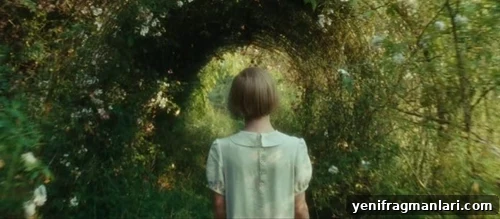
Some mainstream triumphs prove tragedy can still connect. Atonement (2007), a period tragedy rooted in World War II, earned both critical acclaim and substantial box office returns, suggesting that audiences will embrace tragic narratives when they are presented with craft and context. Yet even Atonement reveals how modern audiences respond uneasily to morally ambiguous characters. Readers and viewers often vilify Briony, the character whose lie destroys two lives, rather than engaging with her complexity and the unbearable weight of guilt she carries over a lifetime.
Film adaptations can also soften tragic edges to meet audience expectations. On Chesil Beach (2017) trimmed some of the novel’s starkness to present a more consoling reunion in later life, an alteration that undercuts the original’s brutal truth about missed lives and unresolved pain. Such compromises reflect a film culture inclined to offer closure rather than to let audiences sit with difficult, unresolved emotions.
Contemporary films that embrace tragedy sometimes meet fierce backlash. The Whale (2022), centered on a morbidly obese man grappling with grief and self-destruction, generated intense debate: praise for a powerful lead performance and criticism for perceived exploitative representations. Its uneven reception and modest box office returns illustrate how the industry and the public can be resistant to narratives that insist on confronting discomfort, complexity, and human frailty without neat redemption.
Yet tragedy’s purpose remains vital. Films such as The World of Kanako (2014) offer uncompromising portrayals of moral rot and inherited cruelty, forcing viewers to confront the vicious cycles that shape lives and relationships. Even when protagonists are repellent, tragedy can generate empathy by allowing audiences to witness the consequences of violence, neglect, and moral collapse without offering simplistic moral judgments.
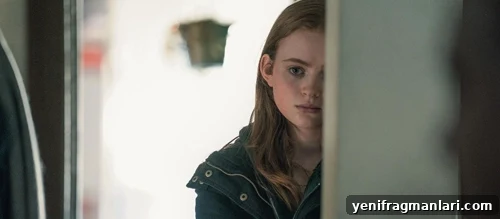
The modern cultural moment—with its appetite for polarization, short attention spans, and market-driven entertainment—does not favor the patient, exacting work of tragic storytelling. Yet tragedy remains essential for a healthy cultural imagination. It refuses easy answers, asks difficult moral questions, and offers catharsis through an honest engagement with suffering. In an era that prizes certainty and spectacle, film fans and critics should champion tragic cinema precisely because it preserves nuance, emotional breadth, and the capacity to reflect complexity back to society.
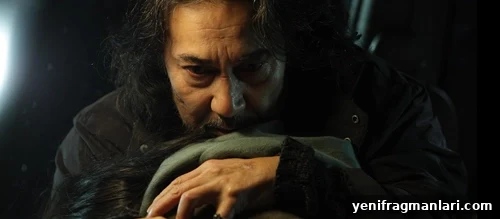
Tragedy in film invites us to slow down, to consider flawed characters with empathy, and to accept that some human wounds do not heal neatly. It challenges audiences to move beyond polarized thinking and to engage with art that exposes the folly, horror, and occasional beauty embedded in lives marked by loss. For that reason, tragic cinema remains not only relevant but urgently necessary.
Written by Ceridwen Millington
You can support Ceridwen Millington in the following places:
Medium: @ceridwenmillington
Instagram: @cerishorrorcupboard