
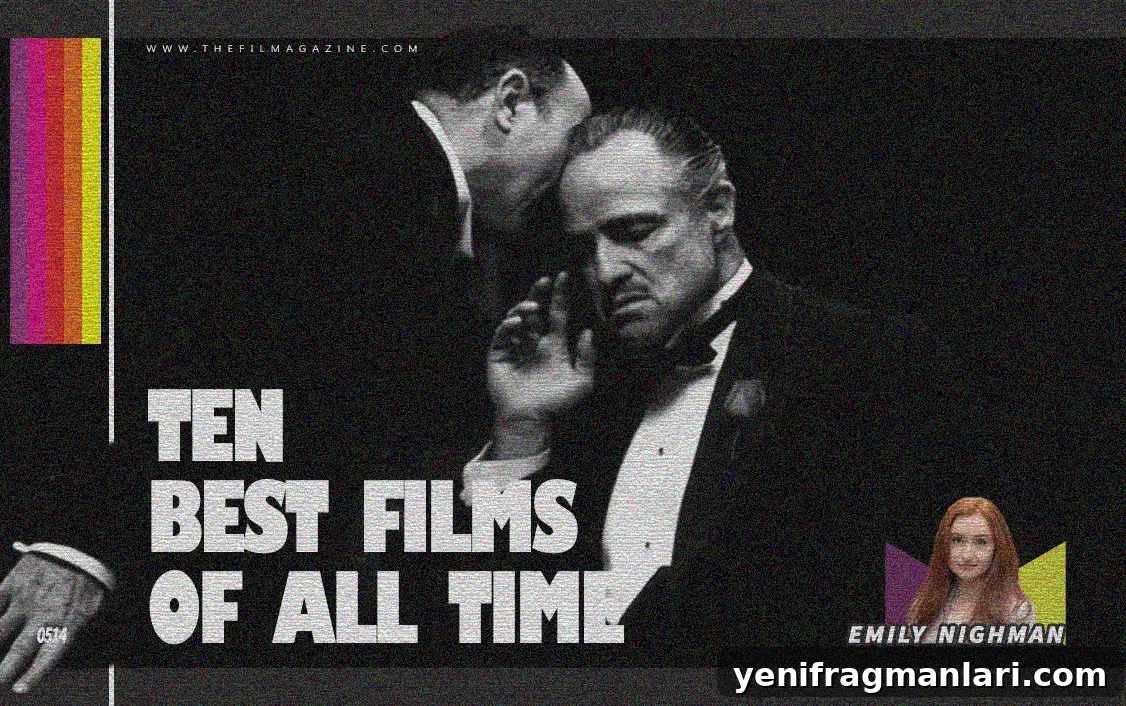
Creating this list is no small feat. Thousands of films exist, and many have shaped cinema through their style, storytelling, and themes.
This list is subjective and reflects the films I consider most important or beautiful. Because of that, some canonical titles that I have not yet seen—such as Lawrence of Arabia, On the Waterfront, or Jeanne Dielman—do not appear here, though I plan to watch them.
You will find widely recognized masterpieces alongside contemporary films that I believe belong in the same conversation. Each entry highlights why the film matters: its impact, artistry, and enduring appeal.
Without further ado, here are the 10 Best Films of All Time.
10. The Grand Budapest Hotel (2014)
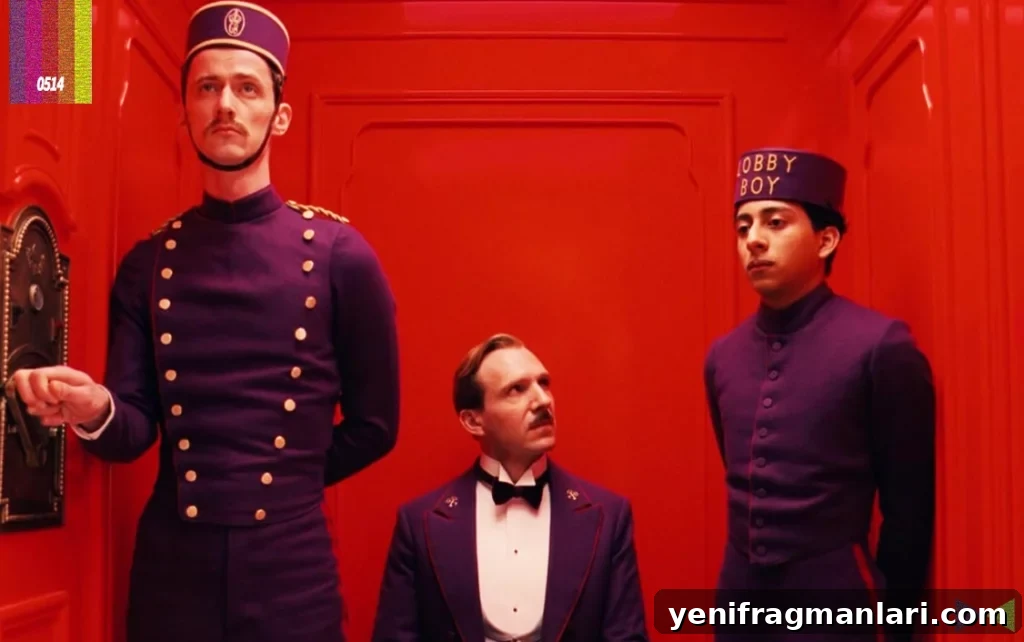
The Grand Budapest Hotel Review
Wes Anderson is one of cinema’s most distinctive directors, and The Grand Budapest Hotel is often regarded as the crown jewel of his work. The film follows Monsieur Gustave H. (Ralph Fiennes), a legendary concierge, and his loyal lobby boy, Zero Moustafa (Tony Revolori), as they fall into a scandal involving a stolen painting and confront rising fascism. The ensemble cast—Adrien Brody, Willem Dafoe, Saoirse Ronan, Tilda Swinton, Edward Norton, Jeff Goldblum, Harvey Keitel, and others—brings Anderson’s eccentric characters vividly to life.
This is a finely crafted example of auteur filmmaking: symmetrical compositions, deadpan dialogue, whip-pan transitions, lush production design by Adam Stockhausen, and meticulously tailored costumes by Milena Canonero. Alexandre Desplat’s quirky score and outstanding makeup and hair work complete a cohesive creative vision. The film’s visual charm and emotional core helped it win multiple Academy Awards and earned recognition among the best films of the 21st century.
Recommended for you: Wes Anderson Movies Ranked
9. Arrival (2016)
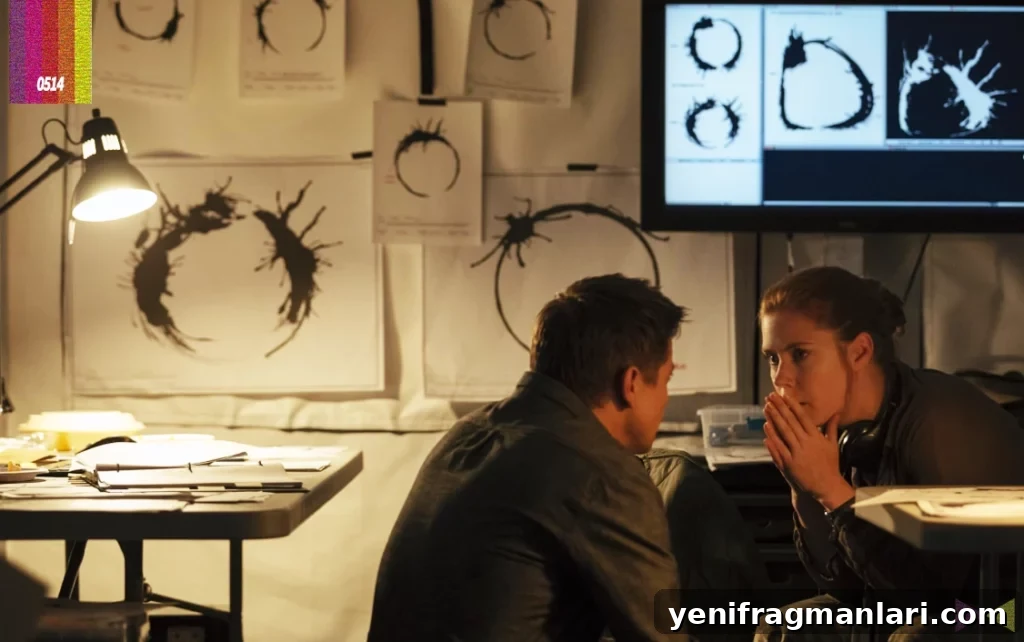
‘Arrival’ and the Language of Cinema
Denis Villeneuve has become synonymous with measured, thoughtful science fiction, and Arrival is a prime example. Amy Adams stars as linguist Louise Banks, joined by Jeremy Renner as physicist Ian Donnelly, as they attempt to communicate with alien visitors. The film uses contact with extraterrestrial intelligence to re-examine human relationships and our concepts of war, peace, time, and memory.
Villeneuve’s meditative pacing and expansive visuals invite contemplation. Arrival’s focus on language and communication earned praise from linguists and critics alike, while its use of sound and silence contributes to its emotional power. The film received multiple Academy Award nominations and won for Best Sound Editing, underscoring how craft and concept together create a moving, mind-bending experience.
8. The 400 Blows (1959)
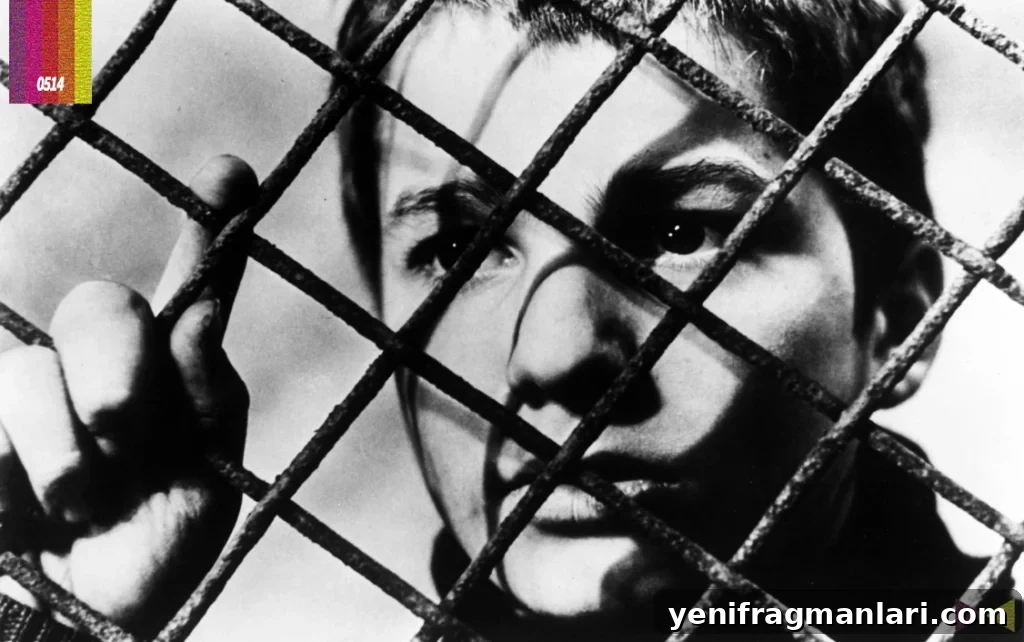
François Truffaut’s The 400 Blows is a foundational film of the French New Wave, encapsulating the movement’s experimental spirit. This semi-autobiographical coming-of-age story follows Antoine Doinel (Jean-Pierre Léaud) as he struggles with parental neglect, difficult schooling, and run-ins with the law while searching for identity in postwar Paris.
Truffaut’s use of location shooting, mobile camera work, naturalistic performances, freeze frames, and intimate storytelling rejects classical Hollywood conventions and emphasizes authenticity. The film’s emotional honesty and technical daring helped redefine narrative cinema and continues to influence filmmakers and audiences decades later.
7. Singin’ in the Rain (1952)
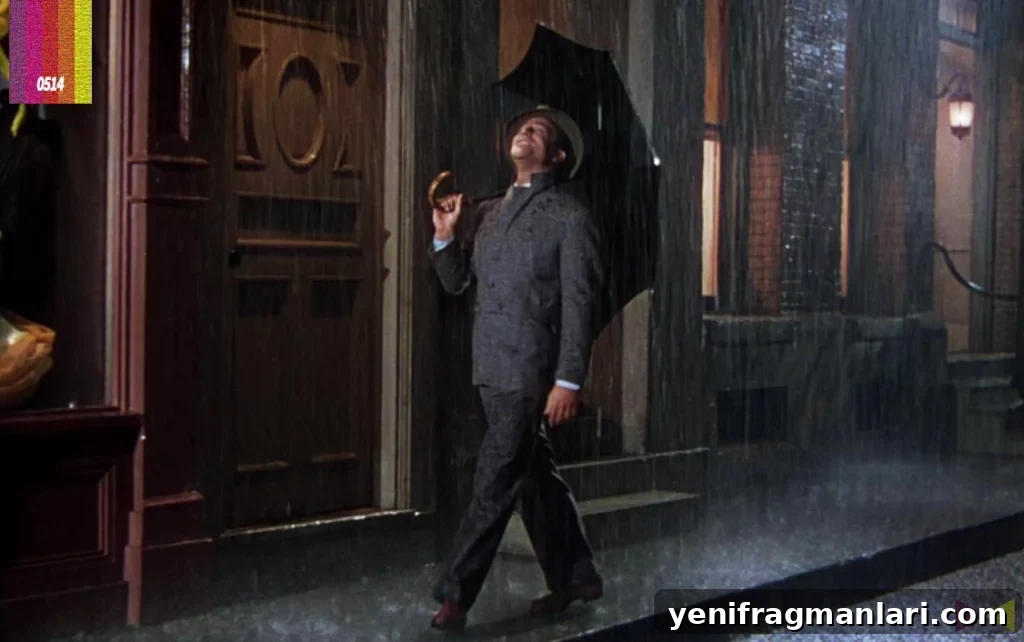
Singin’ in the Rain is often called the greatest musical ever made and remains a personal favorite. It follows silent film star Don Lockwood (Gene Kelly) as Hollywood adapts to sound, blending comedy, romance, and insider satire of the studio system.
Memorable songs, dazzling choreography, and standout performances by Gene Kelly, Debbie Reynolds, and Donald O’Connor make this 1952 film endlessly rewatchable. Its bright production design, witty script, and self-aware homage to early cinema have influenced later musicals and popular culture, securing its place as a film that changed the medium’s trajectory.
6. Persona (1966)
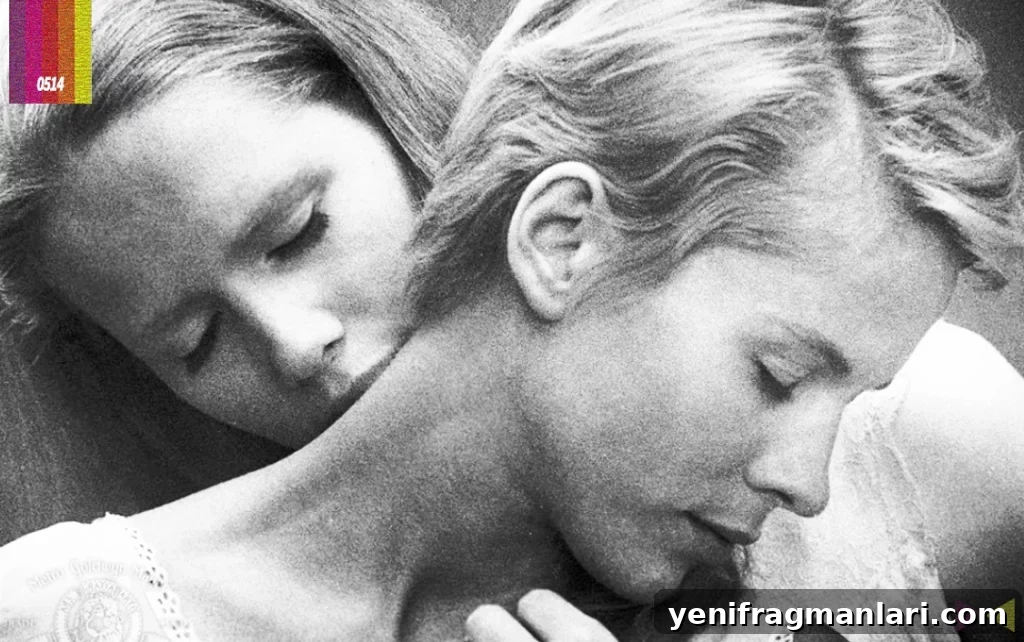
Ingmar Bergman’s Persona is a daring, intense exploration of identity and selfhood. The film follows Alma (Bibi Andersson), a nurse, and Elisabet (Liv Ullmann), an actress who has withdrawn into silence, as their personalities converge in unsettling and poetic ways.
Persona’s stark imagery, elliptical editing, and thematic depth—touching on duality, sexuality, psychological horror, and existential questions—have made it one of the most debated and influential films in cinema history. Its opening montage remains iconic, and the film continues to inspire directors and critics worldwide.
5. Parasite (2019)
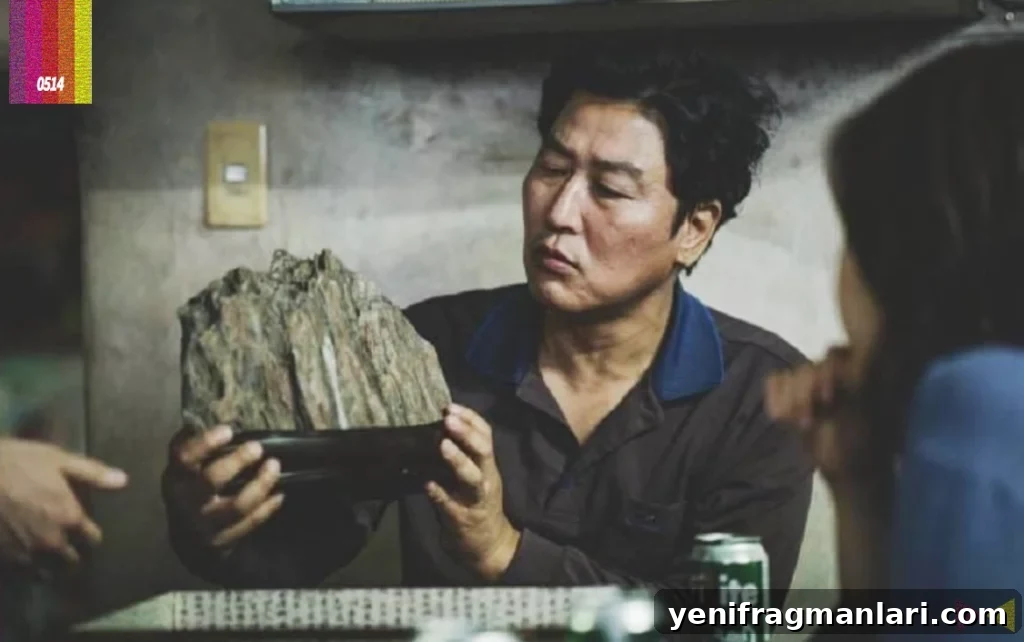
10 Best Parasite Moments
Bong Joon-ho’s Parasite made history as the first non-English language film to win the Academy Award for Best Picture. It is a sharp, often darkly comic examination of class, inequality, and survival that follows the Kim family as they insinuate themselves into the lives of the wealthy Parks.
With precise cinematography, tight plotting, and potent symbolism—staircases and architecture recurring as metaphors—Parasite balances social critique with breathless suspense. It won the Palme d’Or and several Oscars, and its conclusion leaves a profound emotional and intellectual impression.
Recommended for you: Bong Joon-ho Films Ranked
4. Casablanca (1942)
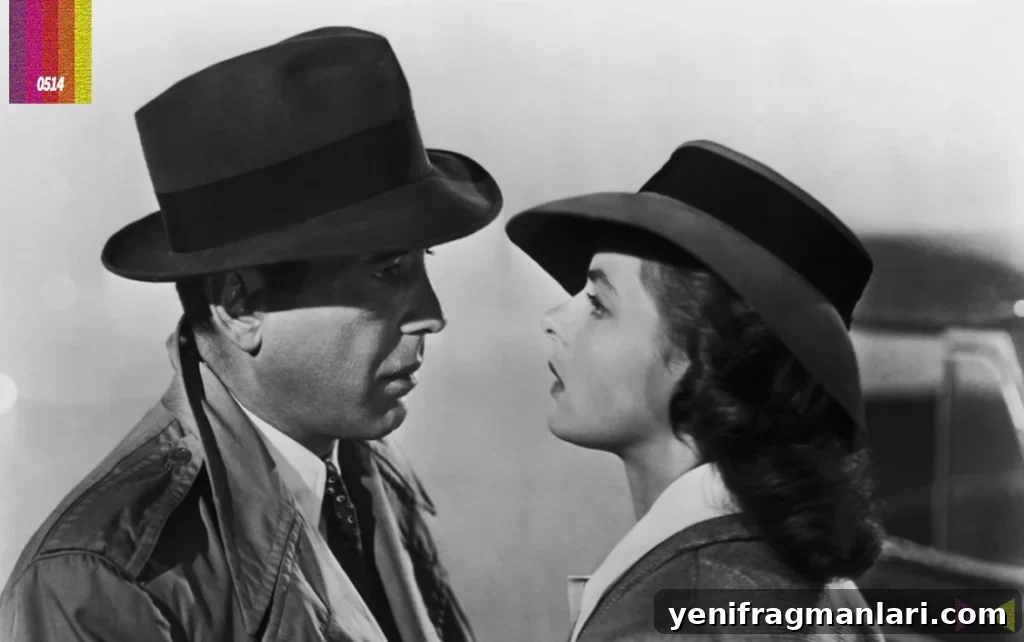
Casablanca Review
Casablanca is a timeless Hollywood classic—romantic, morally complex, and emotionally resonant. Directed by Michael Curtiz and set during World War II, it stars Humphrey Bogart as Rick Blaine and Ingrid Bergman as Ilsa Lund, former lovers reunited under fraught circumstances.
The film blends romance, suspense, and political intrigue, supported by an outstanding supporting cast and memorable lines. Its chiaroscuro lighting and film-noir influences underscore the moral choices at the story’s heart. Casablanca’s exploration of sacrifice and honor has made it enduringly quotable and beloved.
3. Do the Right Thing (1989)
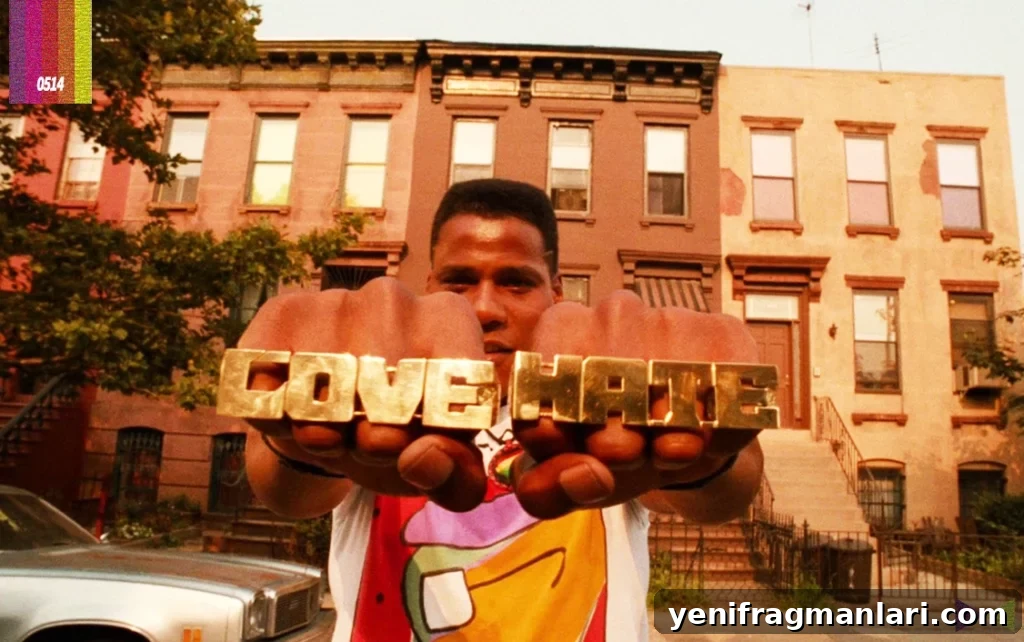
Spike Lee’s Do the Right Thing is a fiery, essential film about race, community, and the pressures that explode beneath the surface of everyday life. Set on a sweltering summer day in Brooklyn, it traces the lives and tensions of residents whose conflicts escalate into violence.
The ensemble cast—including Lee, Danny Aiello, Ossie Davis, Ruby Dee, Giancarlo Esposito, John Turturro, Rosie Perez, and Samuel L. Jackson—energizes a story that confronts police brutality, systemic racism, and the consequences of unchecked hatred. Bold visual choices—vibrant production design, dynamic camera work, and arresting costumes—enhance its urgent message, and the film remains a powerful, relevant work.
2. Psycho (1960)
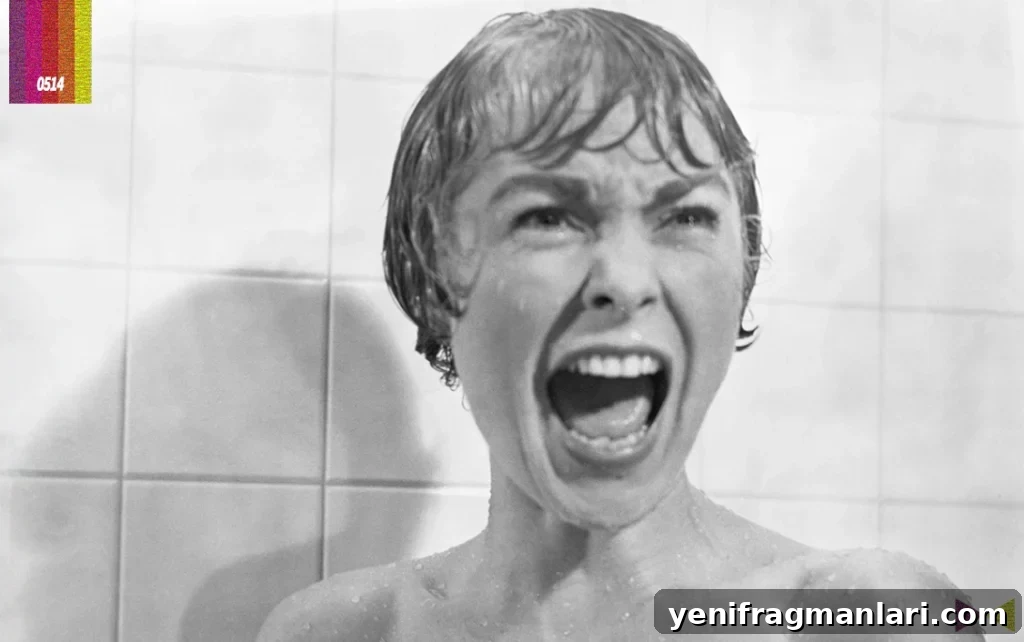
Alfred Hitchcock’s Psycho is a landmark thriller that redefined horror and suspense. When Marion Crane (Janet Leigh) goes on the run after stealing money, she checks into a solitary motel run by Norman Bates (Anthony Perkins), whose relationship with his mother is disturbingly complicated.
Psycho’s influence springs from its bold narrative choices, stark black-and-white cinematography, inventive camera work, and one of the most famous scenes in film history—the shower sequence. Its themes of voyeurism, psychosis, and moral ambiguity have made it a cornerstone of cinema and a reference point for generations of filmmakers.
1. The Godfather (1972)
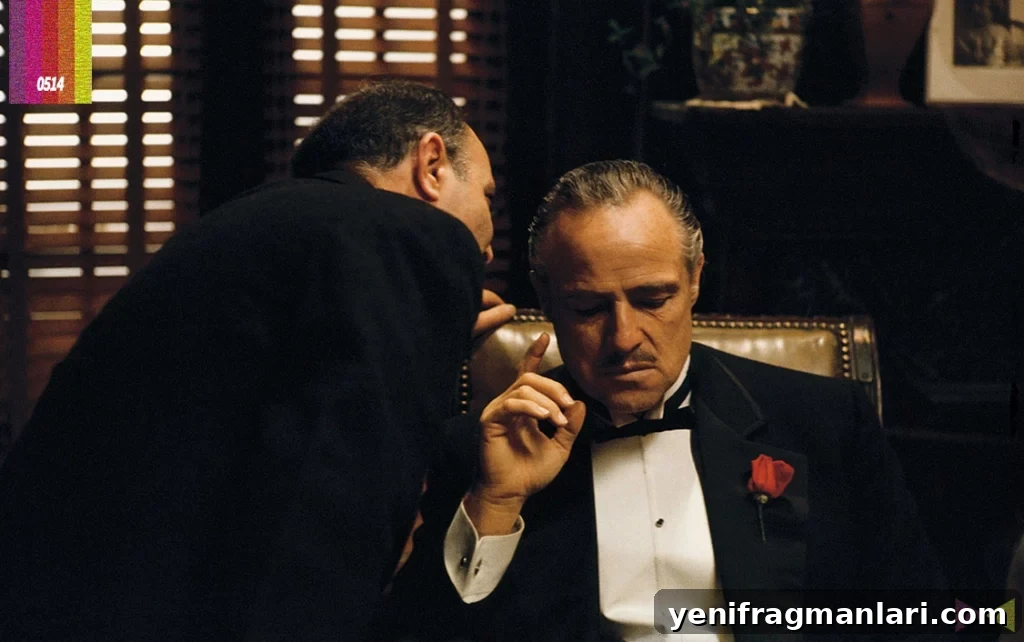
The Godfather Review
Francis Ford Coppola’s The Godfather is a monumental achievement in filmmaking. Nearly three hours long, this 1972 epic delivers drama, violence, family dynamics, and moral inquiry through the story of the Corleone crime family. Don Vito Corleone (Marlon Brando) presides over the clan while his son Michael (Al Pacino) attempts to escape the family business but is inexorably drawn in.
The film’s craftsmanship—screenplay co-written with Mario Puzo, restraint and power in performances, and a balance between intimate family moments and grand operatic sequences—has made it an enduring classic. Iconic scenes such as the baptism montage juxtapose sanctity and brutality, highlighting themes of power, loyalty, and corruption. The Godfather’s influence on film and television is vast, and its many accolades reflect its lasting legacy.
The Godfather remains one of the most quoted and studied films in cinema history, a work that combines storytelling, character, and cinematic technique in a rare and lasting synthesis.