
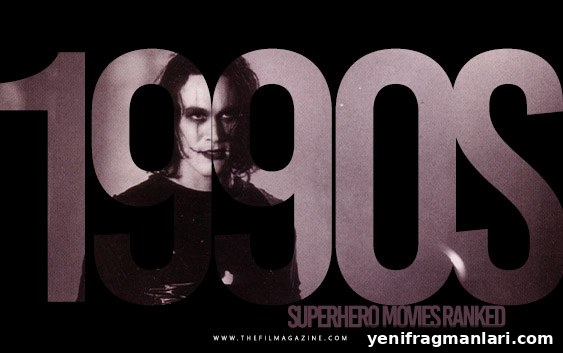
Once upon a time, superhero movies did not dominate the Hollywood blockbuster landscape. They weren’t the most popular or profitable film genre, nor were they the automatic conversation starter for every press junket. Hollywood had chased trends before — Westerns in the 1950s, disaster epics in the 1970s — and there had been earlier comic-book experiments like the Christopher Reeve Superman films and Tim Burton’s Batman. Still, through much of the 1990s the cape-and-spandex craze had not yet fully arrived.
The superheroes that made it to the big screen in that decade were often oddball choices or lesser-known characters. Filmmakers, studios and actors were experimenting, searching for the formula that would later define the genre. Frequently these attempts failed to find mainstream success, but they left a varied legacy of ambition, style and curiosity.
If you can’t tell your Shadow from your Spawn or your Mystery Men from your Mask, you’re not alone. We’ve ranked the major 1990s superhero films from worst to best based on critical reception, box office performance and lasting influence. Here are the results: 1990s Superhero Movies Ranked.
Follow @thefilmagazine on Twitter.
18. Batman & Robin (1997)
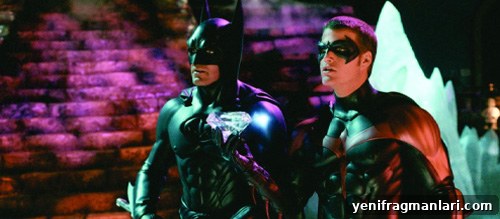
Batman (George Clooney), aided by new allies, tries to stop Mr. Freeze (Arnold Schwarzenegger) and Poison Ivy (Uma Thurman) from freezing Gotham City with a ridiculous diamond-powered plan. The film crams too much into its runtime: multiple villains, abandoned subplots and groan-worthy puns. Clooney is miscast and constrained by an awkward suit; Schwarzenegger and Thurman are underused despite their star billing. The screenplay makes little logical sense and the film feels like a noisy, tone-deaf amusement park ride rather than a coherent superhero movie.
17. Mighty Morphin Power Rangers: The Movie (1995)
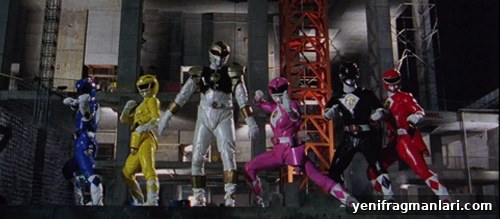
Six teenagers chosen by the immortal Zordon defend Angel Grove from the shapeshifting despot Ivan Ooze (Paul Freeman). For many kids the TV series defined the era; the film feels like an extended episode with a bigger budget. Paul Freeman revels in the pantomime villain role, and the climactic action benefits from original footage rather than reused Japanese material. Still, the story is silly, the production sometimes looks cheap, and the movie primarily rewards those already invested in the franchise or watching with nostalgia.
16. Judge Dredd (1995)
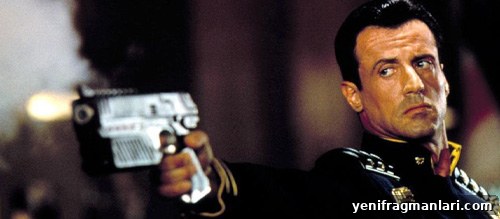
Judge Dredd (Sylvester Stallone) enforces the law in Mega City One and becomes a fugitive when framed for murder. Visually the film captures the dystopian comic aesthetic and looks expensive, but it strips away much of the source material’s complexity. Studio interference and Stallone’s preference for less violence produced a tame, uneven adaptation. The decision to reveal Dredd’s face undermines the character’s core mystique, and misplaced comic relief further weakens the film.
15. The Shadow (1994)
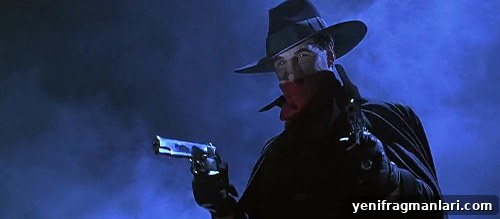
Playboy Lamont Cranston (Alec Baldwin) returns from war with dark powers to confront an heir of Genghis Khan bent on destruction. The film offers striking visuals but an overstuffed plot and leaden performances. A supernatural angle could have made the adaptation distinctive, but the movie fails to explain the Shadow’s abilities clearly, leaving newcomers confused. Baldwin shows flashes of charm but overall the film underdelivers.
14. Steel (1997)
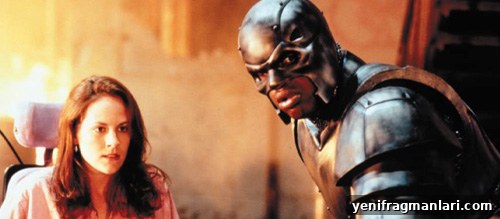
After a weapons accident, engineer John Henry Irons (Shaquille O’Neal) becomes the armored vigilante Steel to fight gangs using dangerous tech. As an early big-screen Black superhero, the film has cultural significance but struggles with clumsy storytelling and clunky action. Shaq’s bulky suit limits his presence, and the movie feels underwhelming despite a few positive elements, including a notable disabled supporting character.
13. Teenage Mutant Ninja Turtles (1990)
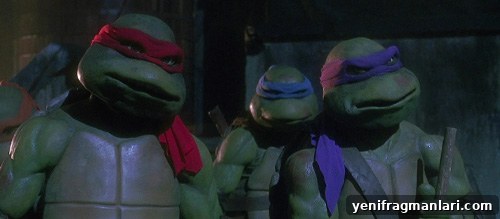
Four mutated turtles trained in ninjitsu by a mutated rat protect New York from the Foot Clan. The film arrived at the franchise’s peak and appeals strongly to fans for its faithfulness to the source. Not everyone will embrace its broad stereotypes or dated teen dialogue, but Jim Henson’s Creature Shop created animatronic suits that remain impressive decades later.
12. The Guyver (1991)
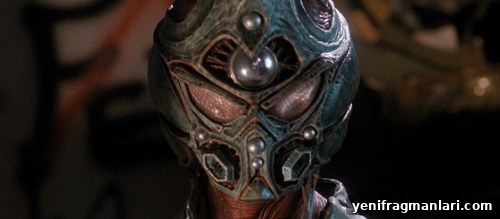
A sentient alien suit selects Sean Barker (Jack Armstrong) and battles human-like Zoanoids attempting world domination. Adapted loosely from a manga and transplanted to an American setting, The Guyver is eccentric and uneven. The cast includes cult horror veterans and Mark Hamill in a small role. The movie’s practical creature effects, led by Screaming Mad George, are the standout element and make some fight sequences genuinely engaging.
11. Spawn (1997)
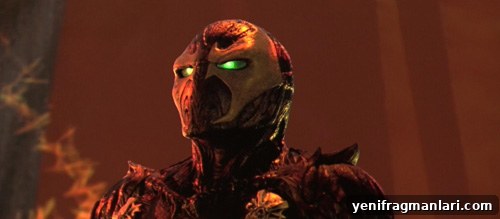
Al Simmons (Michael Jai White) is betrayed, killed and returns as Spawn after making a deal with dark forces. The film’s production design and effects are memorable and influential, and Spawn’s suit remains a faithful comic-to-screen realization. The screenplay is less nuanced than its themes demand, and some performances are uneven, but the film still holds cultural importance as an early R-rated, African American-led comic adaptation.
10. Batman Forever (1995)
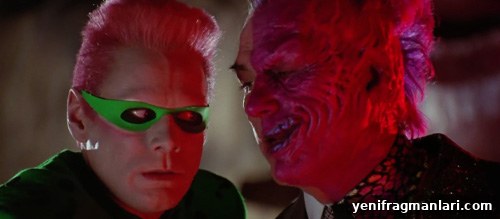
Batman (Val Kilmer) contends with Two-Face (Tommy Lee Jones) and the Riddler (Jim Carrey) while mentoring Dick Grayson (Chris O’Donnell). Joel Schumacher’s colorful, campy approach leans into silver‑age comic aesthetics and gaudy production design. The visuals and set design are striking, but an over-the-top style and an inconsistent script prevent the film from fully succeeding.
9. The Rocketeer (1991)
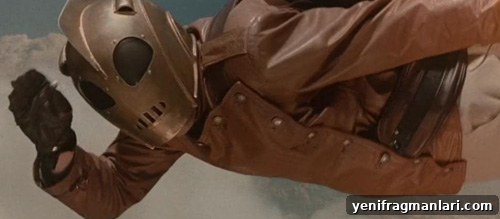
Set in the late 1930s, test pilot Cliff Secord (Billy Campbell) finds a jetpack and uncovers a Nazi plot on American soil. The Rocketeer captures a pulp serial spirit with charming art-deco design and nostalgic optimism. It’s an amiable, stylish adventure that looks like a living, breathing comic brought to life.
8. Mystery Men (1999)
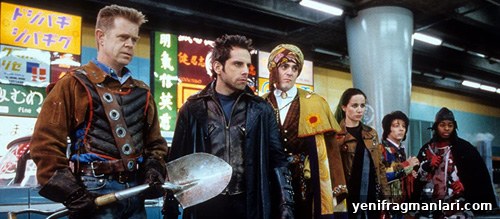
A motley crew of inept would-be heroes — The Shoveler (William H. Macy), Mr. Furious (Ben Stiller) and The Spleen (Paul Reubens) — step up when the city’s true champion is sidelined. Mystery Men skewers superhero tropes with wit and affection well before similar modern satires, delivering memorable comic performances and a surprisingly heartfelt take on heroism despite a few uneven moments.
7. The Phantom (1996)
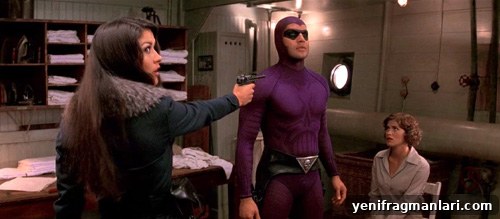
The Phantom (Billy Zane), part of a long line of masked crime-fighters, battles an industrialist hunting a magical artifact. This earnest, old‑school pulp adaptation embraces straight-faced swashbuckling and period adventure. It’s handsome, sincere and a refreshing contrast to the irony-driven takes that followed in later years.
6. The Mask (1994)
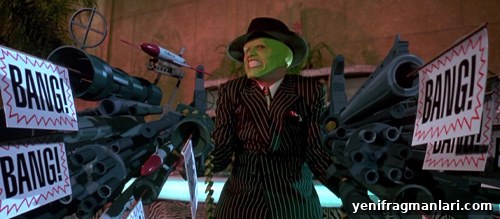
Stanley Ipkiss (Jim Carrey) finds a magical mask that transforms him into a cartoonish superpowered trickster. The Mask channels classic Tex Avery and Looney Tunes energy into live-action effects that still impress. Jim Carrey’s manic physical comedy fuels the film, and Cameron Diaz makes a memorable debut. The movie tones down the comic’s darker edge but remains a joyous, anarchic take on superhero transformation.
5. Darkman (1990)
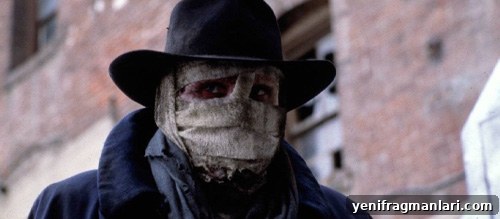
Peyton Westlake (Liam Neeson), a scientist mutilated by criminals, becomes the masked vigilante Darkman, driven by love, regret and revenge. Sam Raimi’s original, genre-blending creation mixes horror, camp and superhero tropes. Its bold visual style foreshadows Raimi’s later mainstream work and remains a strong example of a dark, character-driven superhero film.
4. Batman Returns (1992)
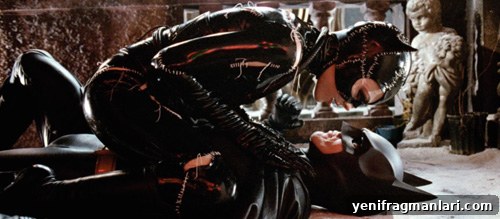
Batman (Michael Keaton) faces the Penguin (Danny DeVito) and Catwoman (Michelle Pfeiffer) in a dark, gothic Christmas-set revenge plot. Tim Burton leans into grotesque, fetishized designs and morbid subtext, producing a visually daring and thematically twisted sequel. Pfeiffer’s Catwoman stands out as one of the most iconic female villains of the era; Keaton brings tragic humor to Bruce Wayne, making the film dark, unsettling and unforgettable.
3. Blade (1998)
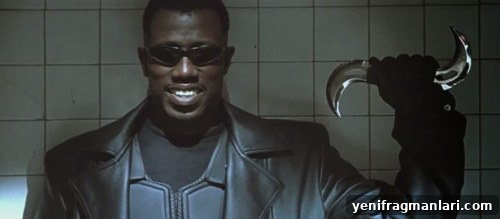
Born after his mother is bitten during childbirth, Erik/Blade (Wesley Snipes) becomes a daywalker who hunts vampires in New York. Blade’s success helped reshape the superhero landscape by proving a darker, more violent comic adaptation could find mainstream success. Snipes anchors the film with a cool, authoritative performance, supported by Kris Kristofferson’s mentor and Stephen Dorff’s chilling villain. The film’s taut tone and confident action made it a landmark of late‑90s genre cinema.
2. The Crow (1994)
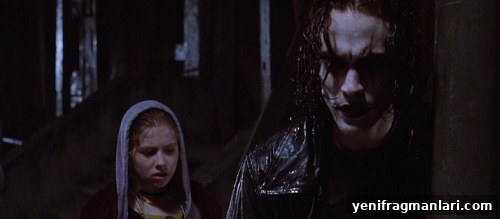
Eric Draven (Brandon Lee) returns from the dead to punish the gang that murdered him and his fiancée. Alex Proyas’ dark, stylish cult masterpiece blends gothic atmosphere, poignant emotion and vengeful catharsis. The film’s visual impact influenced later blockbusters and its melancholic heart remains powerful. Brandon Lee’s performance and the film’s brooding tone helped cement its status as an enduring cult classic.
1. Batman: Mask of the Phantasm (1993)
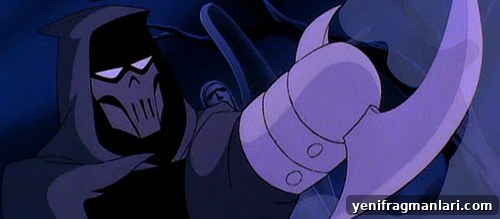
An animated feature born from Batman: The Animated Series, Mask of the Phantasm examines Bruce Wayne’s past and a mysterious vigilante targeting Gotham’s crime bosses. Despite studio plans for a direct‑to‑video release, this film delivers a deep, psychologically rich portrait of Batman and stands as one of the finest adaptations of the character. Kevin Conroy and Mark Hamill give definitive vocal performances, and the animation, noirish tone and melancholic score elevate it into an instant classic. It’s a reminder that getting characters right is more important than flashy trend-chasing.
How would you rank 1990s superhero movies if you grew up with them? Which films surprised you on this list? Share your thoughts and memories — many of these movies are as much about the era that produced them as the characters they portray.