
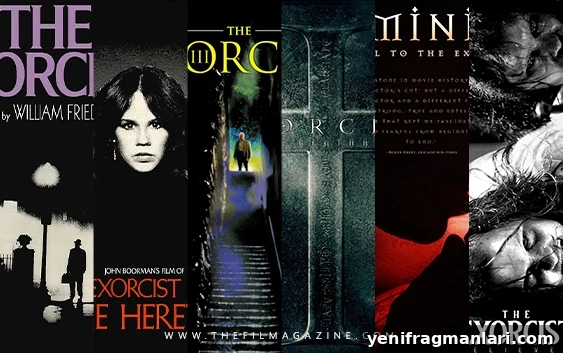
The Exorcist was the first horror film nominated for the Academy Award for Best Picture and remained the highest-grossing horror film until IT in 2017. Adapted from William Peter Blatty’s 1971 novel and directed by William Friedkin, the movie has become a touchstone of popular culture nearly fifty years after its release. The franchise that followed includes five feature sequels and a television adaptation that, despite strong performances, was largely overlooked. This piece ranks the six theatrical Exorcist films to judge whether the original still stands as the best of the series.
This ranking focuses exclusively on the six feature films in the franchise. Television entries are excluded even if they share the same timeline, much as certain TV spinoffs are normally left out of film franchise rankings. Below are the films ordered from least to most successful in capturing what made the original so memorable.
Follow @thefilmagazine on X (Twitter)
6. Exorcist II: The Heretic (1977)
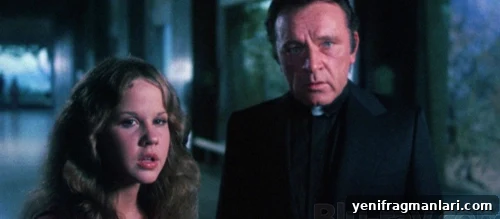
Exorcist II: The Heretic assembled an extraordinary cast—Linda Blair reprises Regan, Max von Sydow returns briefly, Richard Burton replaces Jason Miller as a new priest, and Louise Fletcher and James Earl Jones appear in supporting roles. On paper it promised much, but the result is a bewildering misfire.
Directed by John Boorman, the film attempts a very different approach: hypnotherapy sessions, telepathic connections to Pazuzu, surreal sequences, and improbable detours to Africa. The blend of ideas never coheres. Rather than building tension or atmosphere, the film drifts into confusion and unintentional farce. Performances often feel strained and the material lacks the conviction and craft the original displayed.
Even in 1977 the film came across as amateurish and derivative. Its poor reception stalled the franchise for more than a decade—so much so that when William Peter Blatty returned for Exorcist III, he resisted in name alone connecting his film to this sequel. Today, The Heretic remains the most widely criticized entry in the series.
Recommended for you: The ‘Halloween’ Franchise Ranked
5. The Exorcist: Believer (2023)

Blumhouse’s recent attempt to revive the franchise lands near the bottom of this list. Believer feels like a contemporary exorcism film that has been grafted into the Exorcist brand, rather than a natural continuation of the series’ themes and tone.
The plot centers on two children who become possessed, but only one receives meaningful development because of the film’s focus on personal ties. The pacing is uneven, scares are mostly jump-driven rather than atmospheric, and the film rarely builds dread or mood. The reverence for the franchise’s original tone seems absent; what remains is a competent but uninspired genre entry that struggles to justify its place among the Exorcist films.
4. Exorcist: The Beginning (2004)
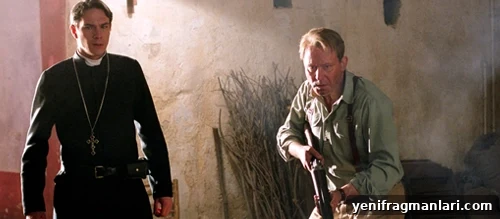
Warner Bros. commissioned a prequel that landed in the early 2000s with Stellan Skarsgård as a younger Father Merrin. Sent to Africa to investigate an ancient buried church, Merrin confronts a series of demonic events.
This version, released as The Beginning, is closely related to Dominion—both sprang from the same troubled production, with directors changed and the project reworked. The Beginning leans heavily on conventional jump scares and modern horror tropes, sacrificing the slow psychological buildup that made the original so compelling. Even a talented lead like Skarsgård cannot fully overcome a script and structure that favor spectacle over subtlety, making this the weaker of the two prequels.
Recommended for you: Nightmare on Elm Street Films Ranked
3. Dominion: Prequel to The Exorcist (2005)
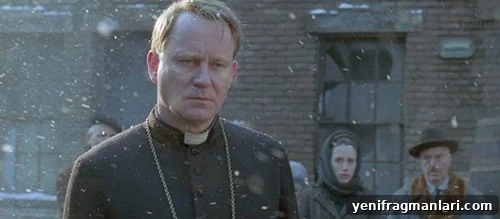
Dominion is essentially an alternate version of the same prequel material, rebuilt to reflect a different creative vision. Because it leans toward atmosphere and psychological dread, it outperforms The Beginning in tone and intent.
The film spends time developing Merrin’s inner life and allows scenes to simmer rather than constantly deliver shocks. The result is a brooding, slower film that aims to track the gradual encroachment of evil. It still features some uneven CGI and relies on familiar tropes, but its willingness to be introspective and its focus on mood make it the more satisfying of the two prequel attempts.
2. The Exorcist III: Legion (1990)
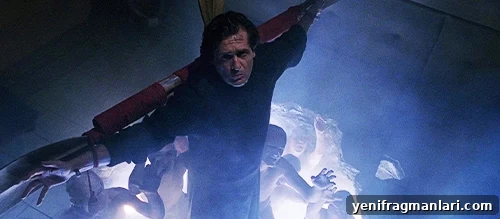
After a thirteen-year gap, William Peter Blatty returned to the franchise to adapt his own novel. Legion drops the possession-of-a-child formula in favor of a more literate, detective-driven story. George C. Scott plays a detective investigating apparent copycat murders that echo a notorious serial killer from years earlier.
The film trades spectacle for atmosphere and psychological complexity. Brad Dourif delivers a chilling performance as a confined killer, and the movie’s lighting and pacing feel closer in spirit to the original than most sequels. While the investigative plotting can be convoluted and the producers’ reshot exorcism finale feels tacked on, Legion stands out as a serious, thoughtful entry that aims to expand the franchise’s emotional and philosophical reach.
1. The Exorcist (1973)
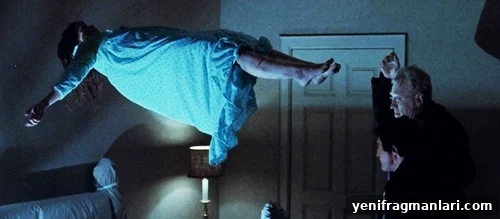
The original remains the undisputed pinnacle of the series. Not necessarily the first exorcism story in fiction or film, but unquestionably the most influential. When people picture a possession or an exorcism, they are often recalling images from Friedkin’s film: Regan in bed, grotesque physical transformations, and the iconic, thunderous cry, “The power of Christ compels you!”
What sets the 1973 film apart is its patient accumulation of dread and its focus on human conflict. Father Damien Karras is haunted by guilt and grief, and the demon exploits those vulnerabilities. The story becomes both a literal battle with an entity and a deeper meditation on faith, doubt, and the cruelty people inflict on one another. The movie balances shock with psychological depth, and it translates Blatty’s themes about human cruelty and the nature of evil with terrifying clarity.
“I tend to see possession most often in the little things, Damien: in the senseless, petty spites and misunderstandings; the cruel and cutting word that leaps unbidden to the tongue between friends. Between lovers. Between husbands and wives. Enough of these and we have no need of Satan to manage our wars; these we manage for ourselves …for ourselves.”
Half a century on, The Exorcist remains essential viewing. The sequels and reboots vary widely in ambition and quality: some attempt to recapture the original’s slow-burn terror, others chase modern scares and franchise revivals. Which of these films do you think deserves more recognition, or which do you prefer among the lower-ranked entries? Share your thoughts and join the ongoing conversation about one of horror cinema’s most enduring legacies.