
Godzilla Minus One / Gojira -1.0 (2023)
Director: Takashi Yamazaki
Screenwriter: Takashi Yamazaki
Starring: Ryunosuke Kamiki, Minami Hamabe, Yuki Yamada, Munetaka Aoki, Hidetaka Yoshioka, Sakura Ando, Kuranosuke Sasaki, Mio Tanaka, Sae Nagatani
Takashi Yamazaki’s Godzilla Minus One returns Toho’s legendary monster to the screen with a focused, character-driven approach that balances large-scale spectacle with intimate human drama. Set in the final months of World War II and its immediate aftermath, the film centers on Koichi Shikishima (Ryunosuke Kamiki), a kamikaze pilot who deserts and survives a harrowing encounter with a dinosaur-like creature. As he struggles to rebuild a life in a devastated Tokyo, Koichi forms an unconventional household with Noriko (Minami Hamabe) and a young girl they take in. That fragile domestic world is soon threatened when the creature reappears, mutated to titanic proportions by radiation from nuclear weapons testing, and lays waste to a nation already reeling from war.
Unlike many big-budget, effects-driven monster movies that prioritize spectacle over people, this film places its human characters at the center. Early scenes invest significant time in developing relationships and internal conflicts, so the audience feels real stakes when disaster strikes. The protagonists are not archetypes: they include military personnel, scientists, and civilians whose personalities and past choices inform how they respond to catastrophe. The story gives each main character meaningful emotional beats—especially Koichi, a man haunted by guilt, and Noriko, who must decide whether to embrace a life rebuilt on uncertainty. Their arcs feel earned and resonate long after the visual thrills end.
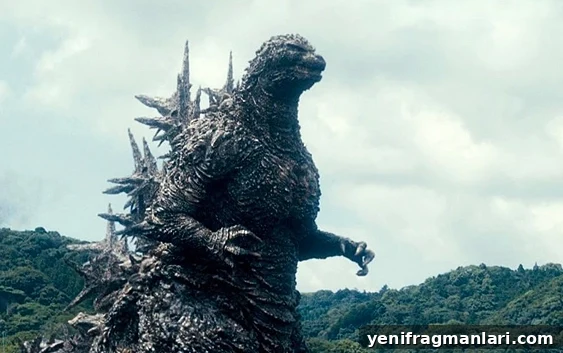
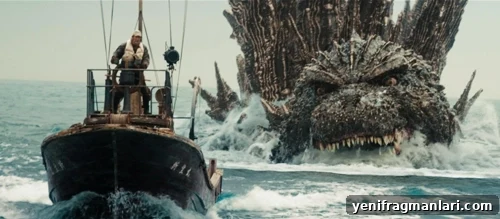
The film’s visual effects are impressive, particularly given the reported modest budget under $15 million. Yamazaki, who also supervised the visual effects, integrates practical in-camera elements with subtle digital enhancements so the world feels tactile. Godzilla’s presence is heavy and inevitable rather than a blur of fast cuts and obscured action. Sequences play out in clear daylight and are edited to reveal scale and consequence, which enhances the audience’s sense of dread and loss. The sound design is equally disciplined: the low-frequency rumble, impacts, and the roar create a visceral audio experience that amplifies tension and immersion.

The portrayal of Godzilla here leans back toward the creature’s darker roots. Not a hero nor a simple force of nature, this Godzilla threatens both lives and the specter of renewed nuclear devastation. The film cleverly uses visual cues—chief among them the creature’s dorsal spines—to signal an impending unleashing of atomic power, lending a ticking-clock quality to confrontations. Composer Naoki Sato builds on Akira Ifukube’s iconic motifs, blending new material with the original theme to give action sequences an emotional and nostalgic weight. The musical choices enhance moments of terror and quiet reflection alike, enriching the film’s tonal range.
The screenplay engages themes of militarism, collective trauma, and the ethics of sacrifice without becoming didactic. It touches on Japan’s precarious position between global powers in the late 1940s and the cultural codes that emphasized honor and duty, but it is measured rather than polemical. While the narrative’s final act follows some familiar blockbuster rhythms, those structural choices serve the characters and the emotional payoff rather than undermine it. Any small predictabilities are offset by the film’s emotional clarity and technical craft.
Technically, the film is a master class in doing more with less: careful production design, disciplined cinematography, and seamless VFX all contribute to a sense of authenticity. The human-scale storytelling ensures that the monster sequences are not merely exercises in destruction but consequences of decisions and historical forces. The ensemble cast delivers grounded performances that make the film’s moral and emotional dilemmas feel immediate and personal.
Godzilla Minus One stakes a compelling claim as one of the best entries in the kaiju genre in decades. It restores gravitas to an iconic cultural symbol by combining intimate character work, thoughtful thematic undertones, and strong technical execution. For viewers who value emotional clarity alongside visual ambition, this film demonstrates how genre cinema can be both thrilling and meaningful. Studios aiming for worldwide impact would do well to take note: bold, modestly budgeted films with personality and purpose can resonate strongly across audiences.
Score: 22/24
Rating: 4 out of 5.
Recommended for you: Showa Era Godzilla Movies Ranked