
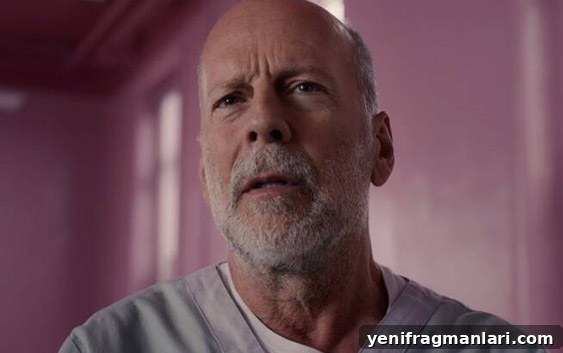
The family of A-list actor Bruce Willis has announced that he is retiring from acting at the age of 67 after a recent medical diagnosis. In a joint statement, his family said the actor—best known for his roles in Die Hard, Twelve Monkeys and The Sixth Sense—has been diagnosed with aphasia, a cognitive condition that affects the ability to understand and use language, both spoken and written.
The announcement explained that Willis will step away from his acting career to focus on his health and spend time with family. The decision marks the end of a decades-long career in film and television for an actor whose work helped define modern action cinema and broadened the kinds of leading men audiences related to.
Willis first rose to prominence on television and later became a fixture on the big screen, particularly after starring in the 1988 action film Die Hard. Film scholars and critics often point to that film as an important moment in the evolution of the action hero: the era shifted away from the larger-than-life, muscle-bound protagonists typified by stars such as Arnold Schwarzenegger and Sylvester Stallone toward a more accessible, everyman type of lead. Willis’s performance—marked by a combination of toughness, vulnerability and offbeat charm—reshaped popular expectations for action heroes and influenced portrayals of masculinity in mainstream movies.
Beyond Die Hard, Willis delivered memorable performances in a variety of genres. He earned critical acclaim for his role in Twelve Monkeys and for his turn in The Sixth Sense, films that showcased his range beyond action-oriented parts. On television, he won two Emmy Awards: one for his role in the late-1980s series Moonlighting and another for a guest appearance on the sitcom Friends. These accolades reflect a career that spanned both popular blockbusters and respected dramatic work.
In recent years Willis appeared in a number of lower-budget, straight-to-video-on-demand projects as well as larger theatrical releases. His later notable work included a role in Glass, directed by M. Night Shyamalan, and he continued to be recognized for his charisma and screen presence even as he took on smaller and more varied projects. For many fans and colleagues, his energy and distinctive persona on-screen remain the defining features of his legacy.
Aphasia is a neurological condition typically resulting from injury or disease affecting language-processing regions of the brain. Symptoms can vary but often involve difficulty finding the right words, understanding spoken or written language, reading, or writing. The condition may affect people in different ways and to differing degrees, and it often requires tailored support from medical professionals, speech and language therapists, and caregivers. The family’s announcement did not provide detailed medical specifics beyond the diagnosis and the decision to retire, and they asked for privacy and understanding as they manage this difficult transition.
Fans, friends and colleagues have responded to the family’s statement with an outpouring of support and gratitude for Willis’s work over the years. Tributes have highlighted both his professional accomplishments and the personal warmth many remember from interviews and public appearances. As he steps away from acting, his films and television performances remain widely watched and continue to reach new audiences.
While this retirement ends a prolific on-screen career, the impact of Bruce Willis’s body of work will remain part of film and television history. From his television breakthrough to his defining film roles, Willis helped change how action heroes were written and played, and his performances across genres have left a lasting impression on audiences and fellow artists alike. The family’s request for privacy means details about his care and daily life will be handled privately, while fans and the entertainment community reflect on his contributions and wish him and his loved ones well during this time.