
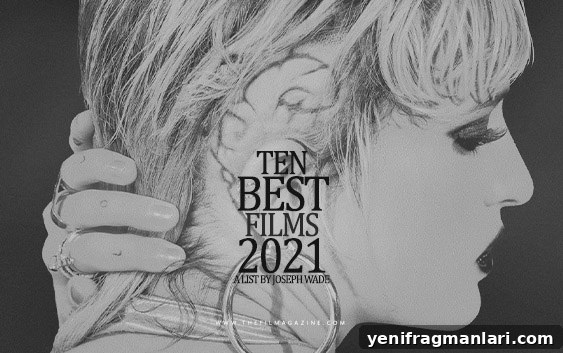
There has rarely been a year when conversations about the future of the theatrical experience felt so decisively answered by audiences themselves. In 2021 moviegoers returned in force, eager to sit in a dark auditorium, watch films on a large screen and hear them in full surround sound. The autumn months alone saw record attendance as people sought the communal escape that only cinemas can provide.
In this curated Movie List of the 10 Best Films of 2021, these selections highlight work that celebrates cinema as an experience and an art form. Each film below demonstrates how variety in genre, performers, filmmakers and national cinemas contributes to a richer, more meaningful cinematic landscape. These films remind us why diverse storytelling matters and why cinema remains essential.
Follow the author of this article, Joseph Wade, on Twitter @JoeTFM.
10. Herself
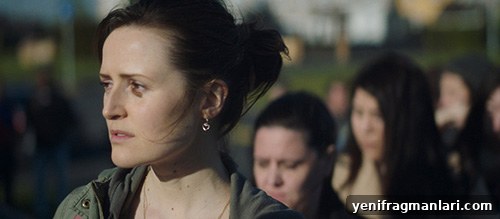
Phyllida Lloyd’s Herself, co-written by and starring Clare Dunne, transforms what could have been a simplistic rags-to-respectability story into a deeply humane, affecting portrait of survival. Dunne’s Sandra is a vivid, fully realized character: a mother escaping abuse, navigating isolation, poverty and bureaucracy while protecting her children. The film’s emotional honesty and attention to the small, difficult realities of single-parent life make it both urgent and quietly triumphant. Herself exemplifies cinema’s ability to foster empathy and illuminate social issues without feeling didactic.
9. No Time to Die
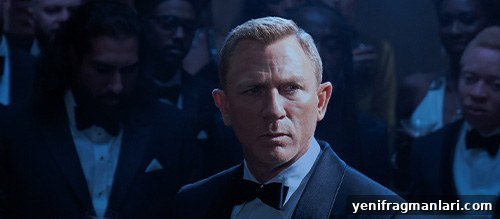
Cary Joji Fukunaga’s No Time to Die returned James Bond to theaters at a moment when blockbusters were vital to exhibition. The film delivered both box-office success and a surprisingly emotional, character-driven journey for Daniel Craig’s 007. Balancing high-octane action set pieces with quieter, elegiac moments and a monologue that channels classic Hollywood romance, the movie ends Craig’s tenure with catharsis and risk. Its visceral combat sequences, meaningful relationship arcs and willingness to close long-running narrative threads set it apart as one of 2021’s standout mainstream films.
8. The Tragedy of Macbeth
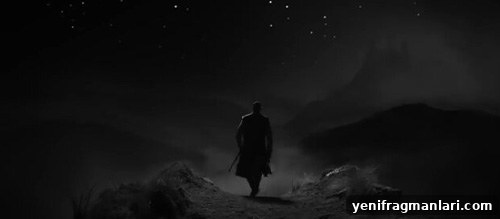
Joel Coen’s adaptation of Shakespeare is a bold reaffirmation of film’s distinct language. Shot in black and white and framed in a 4:3 aspect ratio, The Tragedy of Macbeth feels deliberately cinematic in every choice. Sets recall 1920s German Expressionism, camera placements emphasize the frame as an active element and each visual decision serves the storytelling. It is not designed for casual consumption, but for anyone interested in how cinema can transform theatrical texts into an experience that only film can deliver.
7. The Mitchells vs. the Machines
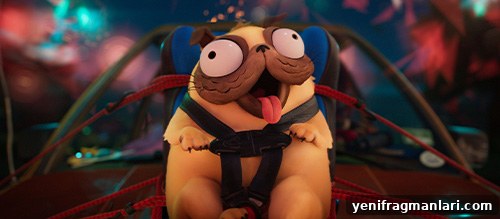
Sony Pictures Animation’s The Mitchells vs. the Machines is gleefully inventive, emotionally grounded and visually exuberant. Where many animated apocalyptic stories focus on spectacle, this film centers on family dynamics, growing pains and the messy, loving negotiations of intergenerational relationships. Its stylized animation constantly reminds viewers why the project needed to be animated, and its emotional truth—especially in portraying a not-quite-perfect family learning to listen—struck a chord during a time when many were reassessing what matters most.
6. The Power of the Dog
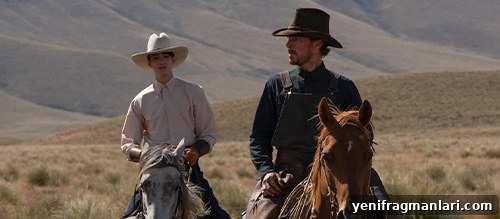
Jane Campion’s The Power of the Dog is a meditative western that interrogates masculinity with nuance and restraint. Campion stages slow-burning psychological shifts among men who embody different masculine archetypes, exposing cruelty, vulnerability and the costs of performance. The film’s layered performances and its use of landscape and silence build an atmosphere of mounting tension. Campion’s direction reframes the western genre into a space for psychological exploration and moral complexity.
5. Titane
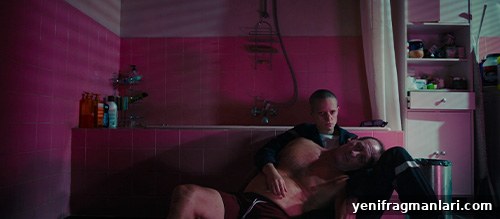
Julia Ducournau’s Titane is a provocative, genre-defying work that earned the Cannes Palme d’Or for its daring formal confidence and thematic boldness. The film interrogates gender, desire and identity through shock, tenderness and transgressive performances. Agathe Rousselle commands attention with a magnetic presence that forces audiences to confront shifting ideas of the body and agency. Titane is intense and often unsettling, yet it remains one of the most original cinematic statements of the year.
4. Petite Maman
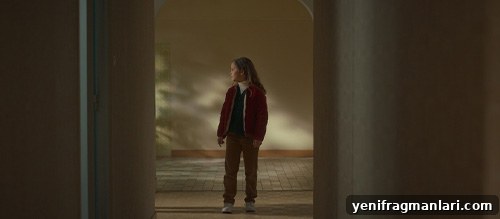
Céline Sciamma’s Petite Maman is a small, exquisite film about grief, memory and the gentle wisdom found in everyday moments. Clocking in just over an hour, the film centers on an eight-year-old girl processing loss with quiet bravery. Sciamma’s direction is delicate and unshowy, allowing children’s curiosity and tenderness to carry the emotional weight. The film balances melancholy and hope, creating a cinematic space where the past and future coexist and where grief is met with playful humanity.
3. The Father
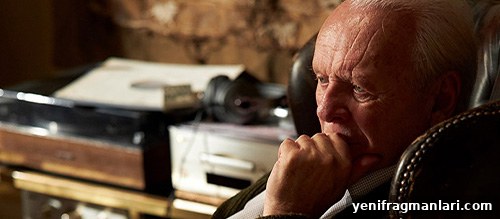
Anthony Hopkins anchors Florian Zeller’s The Father with a powerful, harrowing performance as a man contending with dementia. Hopkins moves from icy detachment to childlike vulnerability with devastating precision. Zeller’s theatrical roots inform the film’s structural ingenuity: as spaces and actors subtly shift, the audience experiences confusion and disorientation alongside the protagonist. This cinematic technique—transforming sets and recasting familiar roles—makes the depiction of memory loss viscerally understandable and deeply affecting.
2. Nomadland
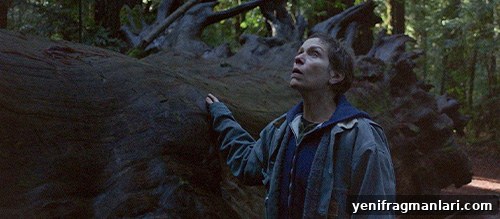
Chloé Zhao’s Nomadland is an intimate, lyrical portrait of life on the road that blends scripted drama with documentary sensibilities. Frances McDormand gives a quiet, luminous performance as Fern, a woman navigating loss and nomadic life in America’s margins. Zhao’s unobtrusive camera and the film’s gentle rhythms create space for the real people who populate the story to share their experiences. The result is a compassionate, immersive film that celebrates resilience and connection to landscape and community.
1. West Side Story
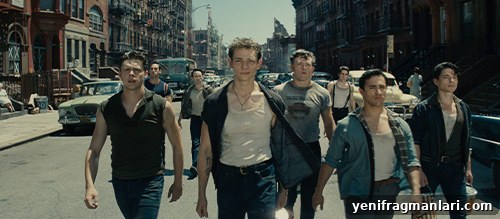
Steven Spielberg’s West Side Story feels like a cinematic event: a powerful fusion of classic Hollywood musical craft and contemporary political awareness. The film is meticulously constructed, with color, choreography and framing that evoke the Golden Age of musicals while addressing modern concerns about ethnicity, class and displacement. Spielberg’s restrained camera choices and thoughtful casting reframe the familiar story as a sharper social critique—one that foregrounds the human cost of violence and inequality. This West Side Story is both a tribute to cinema’s history and a reminder of its continuing ability to move, challenge and inspire audiences.
The films awaiting us in the coming year will undoubtedly continue to reflect our anxieties, hopes and shared experiences, allowing cinema to shape and shift how we see the world.