
Lisa Frankenstein (2024)
Director: Zelda Williams
Screenwriter: Diablo Cody
Starring: Kathryn Newton, Cole Sprouse, Liza Soberano, Joe Chrest, and Carla Gugino
Mary Shelley spent a great deal of time in cemeteries. As Bess Lovejoy described in a 2018 piece for JSTOR Daily, Shelley frequently walked through St. Pancras churchyard and visited the grave of her mother, Mary Wollstonecraft. At age sixteen she would sneak off to the cemetery with the poet Percy Shelley, and by tradition those youthful visits became the setting for their first intimate encounters among the tombstones.
“Literary, familial, and carnal knowledge were all bound together in one place,” Lovejoy wrote.
It is fitting, then, that Lisa Frankenstein opens in a lush, overgrown cemetery called Bachelor’s Grove. The camera lingers on a young girl seen from behind, her hair wild and frizzy, tracing the word Frankenstein from a tombstone onto a sheet of paper. Above it she writes her own name, Lisa, in pink lipstick. This visual ties the film thematically to the Gothic traditions that inspired Shelley and the many offshoots of Gothic culture since.
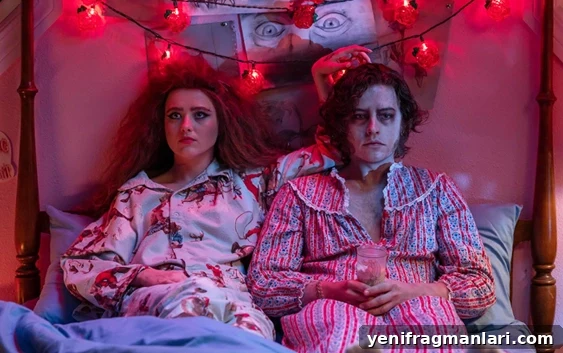
Written by Diablo Cody and directed by Zelda Williams in her feature debut, Lisa Frankenstein blends quirky 1980s teen-comedy sensibilities with Gothic horror. The result is a highly stylized film heavy on aesthetic flourishes but uneven in tone and narrative focus. Kathryn Newton plays the title character, and Cole Sprouse portrays the reanimated figure she assembles. The movie mixes romance, body-horror, and retro teen comedy, delighting in its influences while stopping short of offering deep commentary on them.
Lisa Swallows is an archetypal outsider. Forced to move to a new town during her senior year after her mother’s death at the hands of an axe murderer, Lisa is adrift. Her well-meaning but oblivious father Dale (Joe Chrest) has remarried Janet (Carla Gugino), a neurotic psychiatric nurse who maintains a spotless home and listens to motivational cassettes on her Walkman. Janet insists Lisa simply move on from her grief. Lisa’s stepsister Taffy (Liza Soberano) is impossibly popular and friendly, but Lisa remains misunderstood—an eccentric who watches silent movies, writes bleak poetry, and spends time in cemeteries, confiding her troubles to the tombstone of a handsome young man from the 19th century. When a freak lightning storm reanimates his corpse, Lisa suddenly feels alive, even if that means assembling a man from assorted body parts and eliminating those who stand in her way.
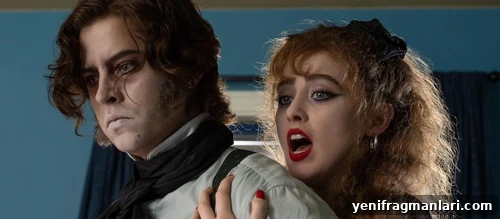
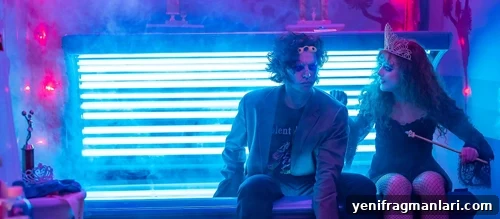
The film functions as a love letter to Gothic culture: from early 19th-century Gothic romance and horror to the goth subculture of the late 20th century. One visually striking sequence pays homage to Georges Méliès’s 1902 silent classic A Trip to the Moon, itself an early milestone of science fiction. The silent era’s theatricality and performers like Theda Bara fed into later Gothic and goth aesthetics, and that lineage is acknowledged throughout. Maegan McLaughin Luster’s costume design nods to Madonna and iconic 1980s films such as Heathers and Beetlejuice. Lisa’s wardrobe evolves with her inner transformation, moving from conventional attire toward an 80s goth look—black lace, heavy eye makeup, and bold red lipstick—mirroring her acceptance of death and her growing confidence. Production design is richly stylized, making both Janet’s pastel home and Lisa’s personal space feel carefully composed and lived-in.
Despite its strong visual identity, the film’s tone and storytelling are inconsistent. This project marks Diablo Cody’s return to genre filmmaking after Jennifer’s Body, which initially divided critics and has since been reassessed as a feminist cult classic. Where Jennifer’s Body offered sharp satire and unsettling psychosexual tension, Lisa Frankenstein opts for a lighter approach and rarely leans into satire or genuine horror. The movie nods to familiar genre tropes without much subversion, and its influences—80s teen comedies, slasher films, and especially Heathers—are apparent but not interrogated. Unlike the layered satire of Heathers, this film does not consistently inhabit a darkly comic dreamscape.
The world around Lisa feels underdeveloped; we see limited environments outside her home and rarely witness how the town intersects with her internal life. This underexposure contributes to uneven pacing and occasional scenes that either linger too long or fail to build full momentum. That said, the script includes sharp, funny moments, and Newton delivers strong comic timing, which helps sell the material even when the scene energy and content feel mismatched.
At its core Lisa Frankenstein is a romance—a fantasy about finally finding someone who listens. Kathryn Newton anchors the film, transforming Lisa from a grieving, withdrawn teen into a character exhilarated by love and intoxicated by the power to create life. Newton balances awkwardness with a touch of instability, portraying a protagonist who is simultaneously moved by and excited about her creature’s obsessive devotion. One of the film’s most affecting sequences finds The Creature playing a piano version of REO Speedwagon’s “Can’t Fight This Feeling.” Lisa dances and sings along, visibly released from her grief; the scene is tender and Newton sells the emotional release convincingly.
Cole Sprouse’s performance as The Creature is serviceable. He remains mostly silent and communicates largely through physicality. When heavily made up as a decayed corpse, Sprouse is at his best, using broad movements and exaggerated expressions. As the creature becomes more human, Sprouse’s restraint sometimes feels overcautious, and the camera rarely closes in to catch subtler shifts in expression, which diminishes some of the emotional nuance.
The film’s PG-13 rating curtails some of the more sensual or explicitly transgressive moments. While the movie depicts graphic violence, it avoids showing sexual explicitness, which feels like a missed opportunity to fully explore the film’s darker, more erotic undercurrents. A bolder rating might have allowed the film to commit more thoroughly to its thematic intersection of love, desire, and mortality.
Ultimately, Lisa Frankenstein celebrates the entanglement of love and death. Its tone may wobble and its horror elements sometimes feel undercooked, but Kathryn Newton’s magnetic lead performance and the film’s nostalgic 80s pop-culture stylings make it an enjoyable, if uneven, ride. For anyone who remembers the intensity of teenage queer and outsider longing, the film will likely resonate.
Score: 13/24
Rating: 2 out of 5.