
One Flew Over the Cuckoo’s Nest (1975)
Director: Miloš Forman
Screenwriters: Lawrence Hauben, Bo Goldman
Starring: Jack Nicholson, Louise Fletcher, William Redfield, Will Sampson, Danny DeVito, Brad Dourif, Christopher Lloyd, Scatman Crothers, Sydney Lassick
One Flew Over the Cuckoo’s Nest is one of the most celebrated films in Academy Awards history, notable for winning the “big five” Oscars: Best Picture, Best Director, Best Actor, Best Actress, and Best Adapted Screenplay. Alongside classics such as It Happened One Night (1934) and The Silence of the Lambs (1991), Miloš Forman’s adaptation of Ken Kesey’s novel stands out for its powerful performances, emotional depth, and uncompromising examination of institutional power.
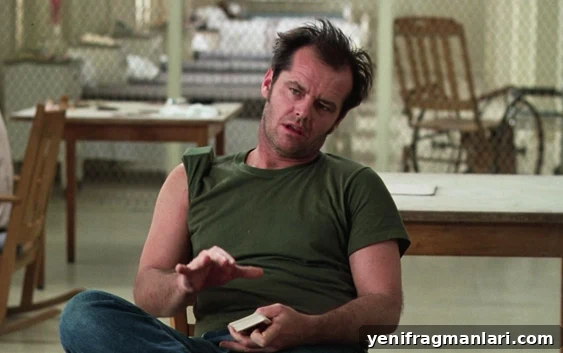
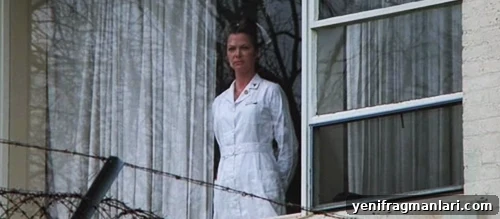
Jack Nicholson stars as Randle P. McMurphy, a rebellious convict who feigns mental illness to escape the exhausting labor of prison life. Transferred to a psychiatric hospital, McMurphy’s loud, liberating presence clashes with the ward’s oppressive order, personified by Nurse Ratched, played with chilling restraint by Louise Fletcher. The film becomes a study in contrasts: charisma versus control, chaos versus rigid conformity, and individual dignity versus institutional cruelty.
Director Miloš Forman brought a distinct sensitivity to the project shaped by his upbringing in Czechoslovakia under a repressive regime. His experience informed the film’s tone—a careful, unsensationalized approach that emphasizes human detail over theatrical excess. Forman’s direction is deliberately understated, allowing the actors and the story to convey the moral and emotional stakes. The result is a film that feels intimate and immediate while addressing universal themes about authority, resistance, and compassion.
The central performances are nothing short of extraordinary. Nicholson’s McMurphy radiates defiance, humor, and a complex vulnerability that prevents him from being read simply as a heroic figure. Fletcher’s Nurse Ratched is a masterclass in controlled menace: she rarely raises her voice, yet every measured tone and even gaze communicates a devastating capacity for manipulation and domination. The dynamic between McMurphy and Ratched drives the film and elevates it from a character study into a tense moral drama.
Supporting cast members deliver memorable and affecting portrayals that enrich the film’s emotional core. Actors such as Christopher Lloyd, Danny DeVito, Brad Dourif, Scatman Crothers, and William Redfield bring a mix of humor, fragility, and resilience to their roles as patients in the ward. Their interactions—moments of play, camaraderie, and quiet tragedy—ground the film’s larger conflict and humanize those often dismissed by society. The ensemble chemistry makes scenes of joy and torment equally potent, which is central to the film’s lasting impact.
The film does not shy away from difficult material. One of the most harrowing sequences—the electric shock therapy scene—is filmed with unflinching clarity. Through precise editing and camera choices, the scene becomes both visceral and heartbreaking. Forman forces the audience to confront the brutality of the institution and the moral cost of suppressing dissent. This willingness to show suffering, without sensationalism, is part of what gives the movie its emotional and ethical weight.
Beyond its dramatic moments, One Flew Over the Cuckoo’s Nest excels at portraying small acts of humanity: a basketball game, a day trip on a fishing boat, the quiet arrival of a loved one. These scenes emphasize how connection and freedom—however fleeting—can restore dignity and hope. The film is both an indictment of dehumanizing systems and a celebration of empathy, friendship, and the stubborn spark of individuality.
Culturally and cinematically significant, the film remains a touchstone for filmmakers and actors exploring mental health, institutional power, and character-driven storytelling. Performances from Nicholson and Fletcher have influenced generations of actors; the film’s themes continue to resonate as debates about authority, care, and personal freedom evolve.
One Flew Over the Cuckoo’s Nest endures because it combines superb acting, confident direction, and a story that speaks to the human condition. It balances humor and heartbreak, outrage and tenderness—qualities that ensure its relevance for decades to come.
Score: 23/24
Rating: 5 out of 5.