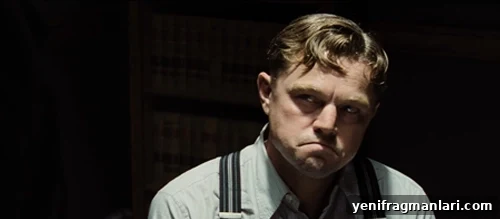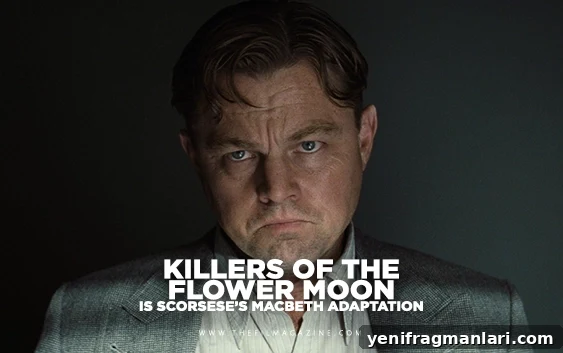
Killers of the Flower Moon (2023) has grossed approximately $138 million at the box office against a reported $200 million budget. Whether or not the film will eventually recoup its costs through streaming rights, home video, and long-term licensing is uncertain. Debates about the economic fate of non-franchise films are important, but this piece focuses on a different, and often more charged, question: how the film represents Native Americans, specifically the Osage people. Critical responses vary widely. Some praise the movie for bringing much-needed attention to a community whose lives and land were exploited; others criticize it for lingering on violence and trauma in a way that feels exploitative rather than illuminating. Different outlets and commentators have approached those tensions from various angles, and the broader conversation about who gets to tell these stories and which productions draw attention is ongoing.
However, the cultural specifics—Osage life versus the encroaching forces of white capitalist America—serve primarily as the historical and geographical framework for the film’s deeper thematic concerns. Scorsese’s adaptation of David Grann’s book recounts the real murders and betrayals that unfolded when white locals schemed to inherit oil-rich Osage lands. Yet the film’s emotional and moral core centers less on historical exposition and more on a study of character and manipulation: how an ambitious, ruthless figure can exploit a weaker, more pliable relative for personal gain. The Osage tragedy is the context that gives the story its stakes, but the film’s beating heart is a psychological portrait of corruption and dependency.
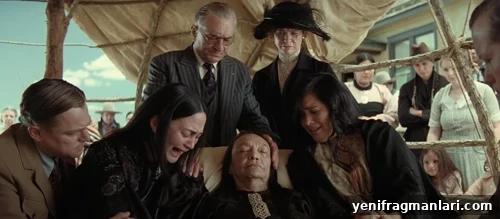
At the center of Scorsese’s film is the relationship between Ernest Burkhart (Leonardo DiCaprio) and William King Hale (Robert De Niro). The narrative follows murders, arranged marriages, and betrayal, but the dramatic momentum comes from Ernest’s obedience, doubt, and moral erosion under Hale’s influence. Hale is the calculating, domineering force who persuades and rewards, while Ernest struggles between loyalty, greed, and love. Once the film is viewed this way, it becomes evident that the story echoes themes found in older moral tragedies: the corrupting influence of power, the seduction of ambition, and the slow collapse of conscience.
One especially useful parallel is to Shakespeare’s Macbeth. The two stories do not align perfectly, and neither should they—Scorsese’s film is rooted in true events and specific historical cruelty—but there are structural and thematic resonances. Macbeth begins as a celebrated warrior returning from battle and is then seduced by a prophecy and by his wife’s relentless urgency to seize power. Similarly, Ernest returns from World War I with a history of violence and a vulnerability that makes him susceptible to Hale’s schemes. In Macbeth, Lady Macbeth urges her husband to “look like the innocent flower, / But be the serpent under ’t,” a line that mirrors how characters in Scorsese’s film present benevolence while plotting destruction. Hale’s outward generosity and the community-facing charities mask the brutal exploitation happening behind closed doors.
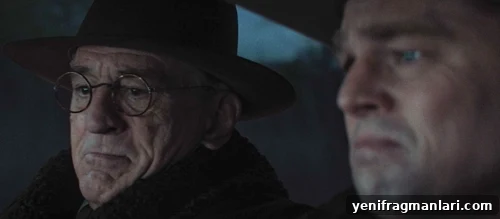
Macbeth is often misunderstood as a portrait of a man who is ambitious from the outset. In truth, much of his downfall stems from external pressure—his wife’s urging—and from the self-justifications that follow each violent act. He questions himself, sees visions, and becomes trapped by the momentum of his deeds. Likewise, Ernest is repeatedly pushed into crimes he’d rather not commit and then finds the only way forward is to commit more. He hires others to do the dirty work, fails to control outcomes, and watches guilt and paranoia accumulate. The film stages this moral unraveling with restraint: Ernest is not a one-note villain but a damaged, conflicted figure gradually consumed by choices he cannot fully own or escape.
Scorsese also uses symbolic and spiritual echoes to deepen the comparison. Macbeth’s world is full of prophecy, apparitions, and supernatural suggestion; the film includes moments that gesture toward belief, fate, and spiritual unrest. These elements help underscore the idea that certain human patterns—manipulation, betrayal, and greed—repeat across time and place, whether in 11th-century Scotland or early 20th-century Oklahoma.
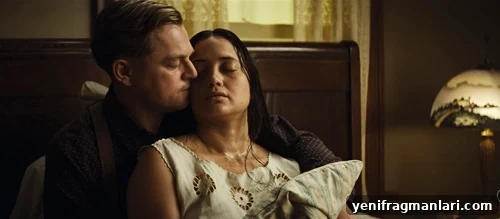
In the film’s second half, federal investigators arrive at Molly’s urging, functioning as an outside force that ultimately exposes and dismantles the local scheme. Their arrival resembles the intervention that eventually confronts Macbeth, but Scorsese shifts the moral center toward Molly and the community’s determination to seek justice. Molly’s persistence—traveling and advocating for investigation—positions her as a counterforce to the corruption, echoing Macduff’s role as the agent of accountability in Shakespeare’s play.
The climax emphasizes Ernest’s inner conflict. He vacillates between protecting Hale and confessing, between clinging to the last threads of loyalty and acknowledging his crimes. That anguish is at the emotional core of the movie: the cost of complicity, the limits of personal agency when dominated by a manipulative figure, and the painful consequences for victims and families. Scorsese’s restrained approach avoids sensationalizing violence while refusing to minimize the real human costs of those crimes.
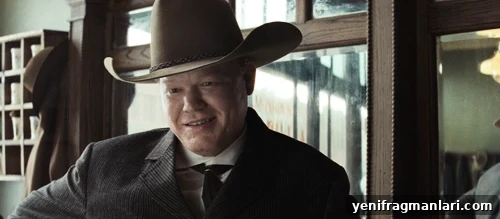
It is important to be clear about two things. First, Scorsese did not invent the events or the people involved; the film dramatizes real, horrific crimes carried out for material gain. Second, identifying Shakespearean echoes in the film is not an exercise in reductionism. Comparing Ernest and Hale to Macbeth and his manipulators aims to illuminate universal patterns of ambition and moral collapse, not to minimize the specific suffering of the Osage community. The historical reality—the lives lost, the systemic exploitation—is central and must be acknowledged on its own terms.
What the comparison does suggest is how persistent certain narrative truths are: stories about betrayal, the abuse of power, and the failure of conscience recur across cultures and centuries because they reveal something enduring about human nature. Shakespeare captured those dynamics in a way that continues to resonate, and contemporary filmmakers like Scorsese can rediscover and refract those themes through very different historical lenses. That these patterns reappear is a reminder both of humanity’s repeated failures and of storytelling’s power to call attention to them and demand accountability.
Recommended reading: Killers of the Flower Moon (2023) Review