
Sediments (2021)
Director: Adrián Silvestre
Screenwriter: Adrián Silvestre
Just as the Earth is composed of many layers, our inner lives are made up of layers that build our identity and tell the story of our existence.
Sediments introduces itself with a clear central metaphor: people are like geological strata. That comparison runs through Adrián Silvestre’s gentle documentary about gender transition, most poignantly when the women visit a rock quarry where exposed sedimentary layers visually echo the layers of identity revealed by the film’s subjects. This visual motif helps the audience understand the personal histories and social pressures that shape each woman in the group.
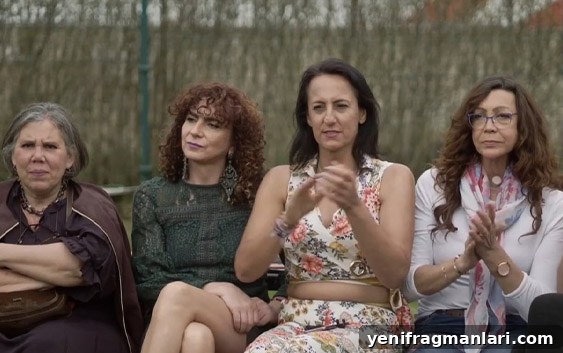
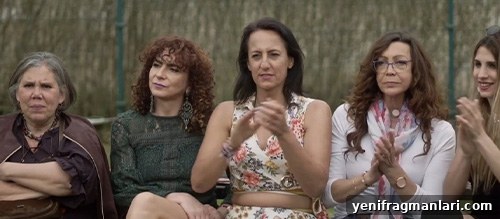
The film follows a group of Spanish transgender women who gather for a countryside retreat to exchange experiences, give each other support, and face the emotional realities of transition together. At the heart of the story is Cristina, who is on the brink of committing to her transition. For Cristina, this moment feels precarious—like “teetering on the edge of a cliff.” The retreat setting creates a private space for frank conversation and shared vulnerability.
The film opens with an unadorned, powerful scene of the women sharing stories over lunch. Their conversations range from mundane memories to life-changing moments, making clear how varied and generationally determined these journeys can be. Younger participants such as Lena and Alicia describe relatively smooth experiences: they transitioned between university semesters and faced mostly curiosity or whispered comments from peers. In stark contrast, older members like Yolanda recount brutal encounters with police violence during years when she had to survive as a street sex worker. Those differences underline how legal protections, social attitudes, and economic realities affect each person’s trajectory.
A striking statistic mentioned in the film is an 80% unemployment rate among trans women in Spain. The participants argue that trans people are entitled to the same rights as any other human beings: the right to work, to healthcare, and to live with dignity. Yet social barriers and discrimination continue to limit access to basic opportunities for many, which the film handles without sensationalism.
Family reactions vary widely. Lena shares footage of the day she came out to her mother and grandmother in Barcelona; she has their unwavering support. However, the documentary reminds viewers that not all trans people find acceptance at home. For some, finding or forming a family among peers and friends becomes essential. That theme is central to the film: chosen family often fills the void when biological family fails to provide support.
Silvestre adopts a fly-on-the-wall approach: the camera observes without intrusion. The women rarely acknowledge the recording, and the director resists conventional documentary devices such as formal interviews or explanatory captions. Names and identities remain largely unlabelled until the closing credits, allowing the group’s interactions and voices to lead rather than the filmmaker’s narration. This restrained style preserves an intimacy that feels honest and immediate.
The chemistry among the women is warm and lively. Their dynamic shifts naturally across scenes: at times playful and irreverent, at others tender and confessional. A cave tour leads to jokes about stalactites, which turns into an open conversation about vaginoplasty and sexual health. Later, they play a raucous, revealing game of “never have I ever,” where humor becomes a mode of bonding and a way to navigate difficult topics together.
Individual personalities emerge. Cristina often appears insecure and reacts defensively, sometimes veering into passive-aggressive behavior. Her self-described feelings of inferiority—beginning transition in her fifties and believing she lacks the knowledge or strength of others—create friction within the group. These moments are neither dramatized nor excused; the film presents them as part of the complex process of self-acceptance and interpersonal support.
Emotionally raw moments are depicted with care. One of the most affecting sequences shows Yolanda in a hospital bed while Lena and Alicia recount her battle with cancer. She lost her voice and slipped into a coma; when she regained consciousness, her previously estranged family was by her side. That unexpected support became a turning point for Yolanda, inspiring her to continue living on her own terms. This story emphasizes resilience and the unpredictable nature of family relationships—how abandonment can be answered by solidarity among friends.
Sediments does not attempt to give every participant equal screen time; as in real life, some personalities naturally dominate conversation. Still, the documentary offers a meaningful window into several distinct experiences of gender transition. It demonstrates how transformative transition can be when one has the support of others, and how crucial community is in countering social exclusion.
Adrián Silvestre’s role is deliberately modest: he steps back, allowing the women to author their own narratives. His unobtrusive camera work and the film’s quiet observational tone let the group’s humanity shine. Sediments succeeds as an empathetic portrait of friendship, survival, and the many ways people build identity over time.
One line from the film captures its inclusive spirit: “The world has two gender extremes, man and woman. But in the middle, there are many ways to express yourself.” That sentiment frames Sediments’ central message: identity is layered, plural, and deserving of dignity and recognition.
21/24